The modern home is increasingly becoming a place where work, study, and leisure are combined. That is why the question of choosing a primary digital device is becoming especially relevant. Many users hesitate between a classic laptop and a versatile tablet, which offers a completely different level of mobility and convenience.
In this article, we will take a detailed look at whether a modern tablet for home can fully replace a traditional computer, and in which situations it is worth preferring an iPad over a laptop. According to the recommendation of the ComfortShop editorial team, it is worth clearly defining your own usage scenarios for the gadget before purchasing.
Article Contents
Key differences in usage approaches

Before talking about specific models, it is important to understand the fundamental difference between these classes of devices. A laptop is primarily a workstation with a full keyboard, a powerful cooling system, and a familiar desktop operating system. A tablet for home use, in turn, is oriented toward tactile interaction, instant wake-up, and maximum portability.
The choice between these two worlds often depends on how much time you spend typing. If your activity involves writing large amounts of text, programming, or working with complex spreadsheets, the laptop still remains unrivaled. At the same time, for viewing content, web surfing, and communication, a tablet feels much more natural.
The ComfortShop editorial team, having analyzed open sources and user reviews, notes that more and more people are choosing a tablet as their second, and eventually primary, device at home.
Scenarios where the tablet beats the laptop
There are a number of everyday tasks in which a tablet turns out to be significantly more convenient than a bulky laptop. Let's look at the main ones in more detail.

Content consumption and entertainment.
For watching movies, TV series, YouTube, or reading e-books, a tablet instead of a laptop is the ideal solution. You can comfortably hold it in your hands while lying on the sofa, or place it on a table using a stand case. The weight and form factor make the content consumption process as comfortable as possible, which cannot be said about a laptop that heats up and requires a flat surface.
Furthermore, modern tablets have excellent displays with high refresh rates and HDR support. This makes them a great choice for a home theater or gaming. Unlike a laptop, a tablet operates silently, as most models lack active fans.

Video calls and social media.
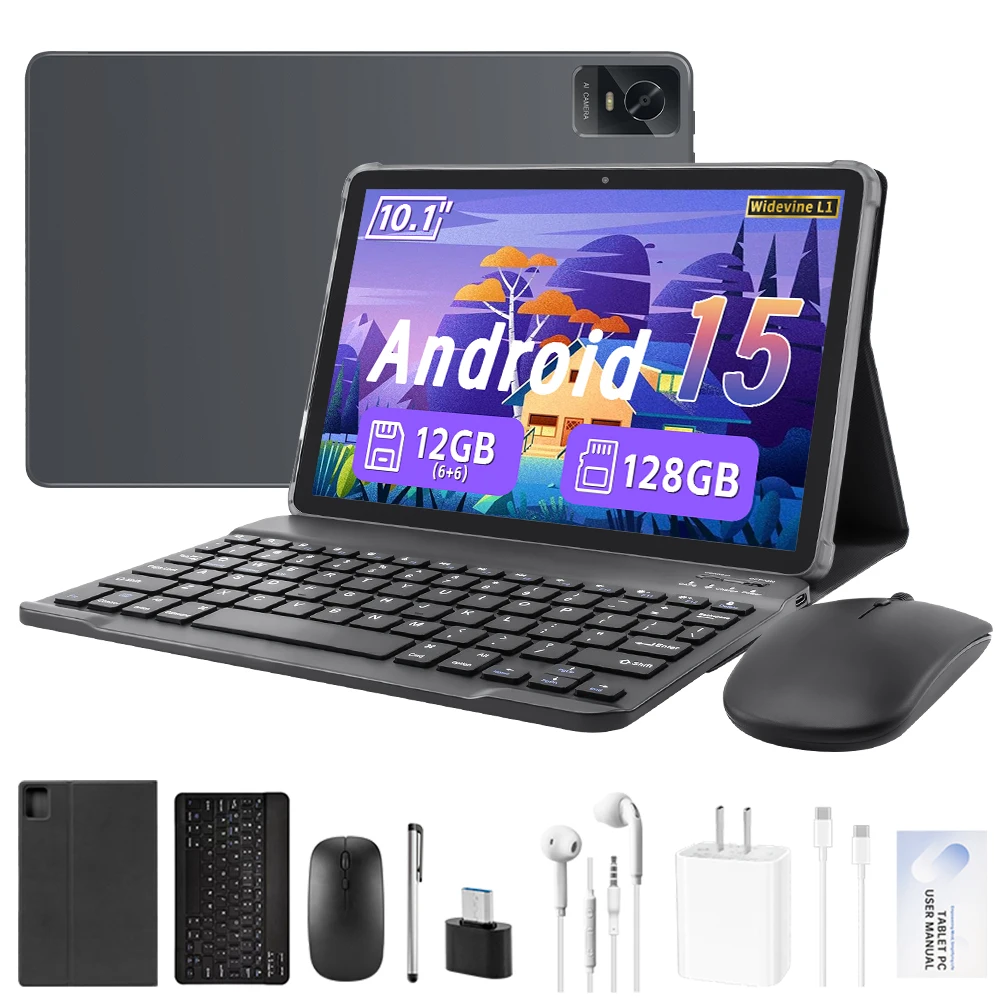
The front cameras of tablets often surpass the quality of laptop webcams. For daily calls on Zoom, Skype, or FaceTime, a tablet is much more convenient. You can freely move around the apartment showing something on camera, or simply chat while holding the device in your hands.
iPad or laptop: performance and OS analysis
When it comes to choosing between an iPad and a laptop, the operating system becomes the key factor. The iPad runs on iPadOS, which becomes more functional every year, but still has certain limitations compared to macOS or Windows.
If your work requires specialized software that only exists in a desktop version, the answer to the question iPad or laptop for home is obvious — you should choose a laptop. However, for 90% of home tasks: browser, email, messengers, viewing documents, light photo editing — the capabilities of iPadOS are quite sufficient.
It is important to note that the performance of modern iPads on M-series chips exceeds many mid-range laptops. This means that the tablet is not only more convenient, but also often faster in everyday tasks. It wakes from sleep instantly, does not drain battery in the background, and runs significantly longer on a single charge.
Working with documents and multitasking
The main argument of tablet critics is the inconvenience of working with text. This is partly true, but only if you consider the tablet without accessories. By purchasing a quality keyboard case and a stylus, you get a full-fledged workstation.
The iPadOS multitasking system allows you to work with two or three applications simultaneously. You can open a browser next to a text editor or messenger. This makes choosing a tablet for home quite rational even for those who occasionally work remotely.
However, it is worth being honest: for professional layout, complex video editing with color correction, or writing code in large IDEs, the laptop remains an irreplaceable tool. Here, the tablet acts more as a complement than a replacement.
Portability, battery life, and ecosystem
One of the most significant arguments in favor of the tablet is its battery life. Most modern models easily last 10-12 hours of active use. This means you can forget about the charger for a whole day.

The average weight of an iPad is 450-600 grams, while an ultrabook weighs at least 1.2-1.5 kilograms. The difference is significant, especially if you are used to taking the device with you to bed, the kitchen, or the balcony. Modern gadgets for home should first and foremost be convenient, and here the tablet wins by a large margin.
It is also worth mentioning the Apple ecosystem. If you already have an iPhone, Apple Watch, or MacBook, the iPad will become a logical extension of this ecosystem. Synchronization of messages, calls, notes, and files happens seamlessly, which significantly increases the comfort of daily use.
Comparative table of features for home use
To make a final decision, we suggest considering the key criteria for comparing a tablet and a laptop in the form of a short list.
- Weight and mobility: the tablet is significantly lighter and easier to hold in your hands;
- Battery life: the tablet lasts longer than most laptops;
- Text input: the laptop is more convenient for extended typing without additional accessories;
- Software: the laptop supports any desktop programs;
- Touchscreen and stylus: the tablet is unrivaled for drawing and handwritten notes;
- Price: a quality tablet is often cheaper than a laptop of a similar level.
Based on the analysis of the features, ComfortShop recommends considering the tablet as the primary device for those whose activities are not tied to specific desktop software. For everyone else, the tablet will be an excellent addition to an existing laptop.
Conclusion:
The choice between a tablet and a laptop for home depends solely on your tasks. If the priority is content consumption, communication, light document work, and maximum mobility, a modern iPad or Android tablet will be the ideal choice. If you professionally work with complex software, the laptop is still indispensable. The ComfortShop editorial team advises honestly assessing your own usage scenarios before purchasing, because this is exactly what determines whether the new gadget will become a favorite assistant or gather dust on the shelf.
Frequently Asked Questions
Can a tablet completely replace a laptop for home tasks?
Yes, for most typical home scenarios — watching videos, social media, video calls, reading, and light document editing — a modern tablet for home is sufficient, but for complex professional tasks such as programming or heavy editing, you will still need a laptop.
What is better to choose for home use: an iPad or a Windows laptop?
If your priority is mobility, convenience of content viewing, and a large library of quality applications, the iPad wins, but if you need maximum compatibility with peripherals and familiar software, a Windows laptop will be more practical.
Which tablet for home is better to choose if the budget is limited?
Pay attention to mid-range models from Samsung (Galaxy Tab A/S series) or Xiaomi (Redmi Pad), which offer an excellent balance of price and performance for home use without overpaying for the brand.
Is it convenient to use a tablet for video calls and online learning at home?
Yes, most modern gadgets for home have quality front cameras and microphones, and the large tablet screen makes communication more comfortable than on a smartphone, especially if you use a stand or docking station.