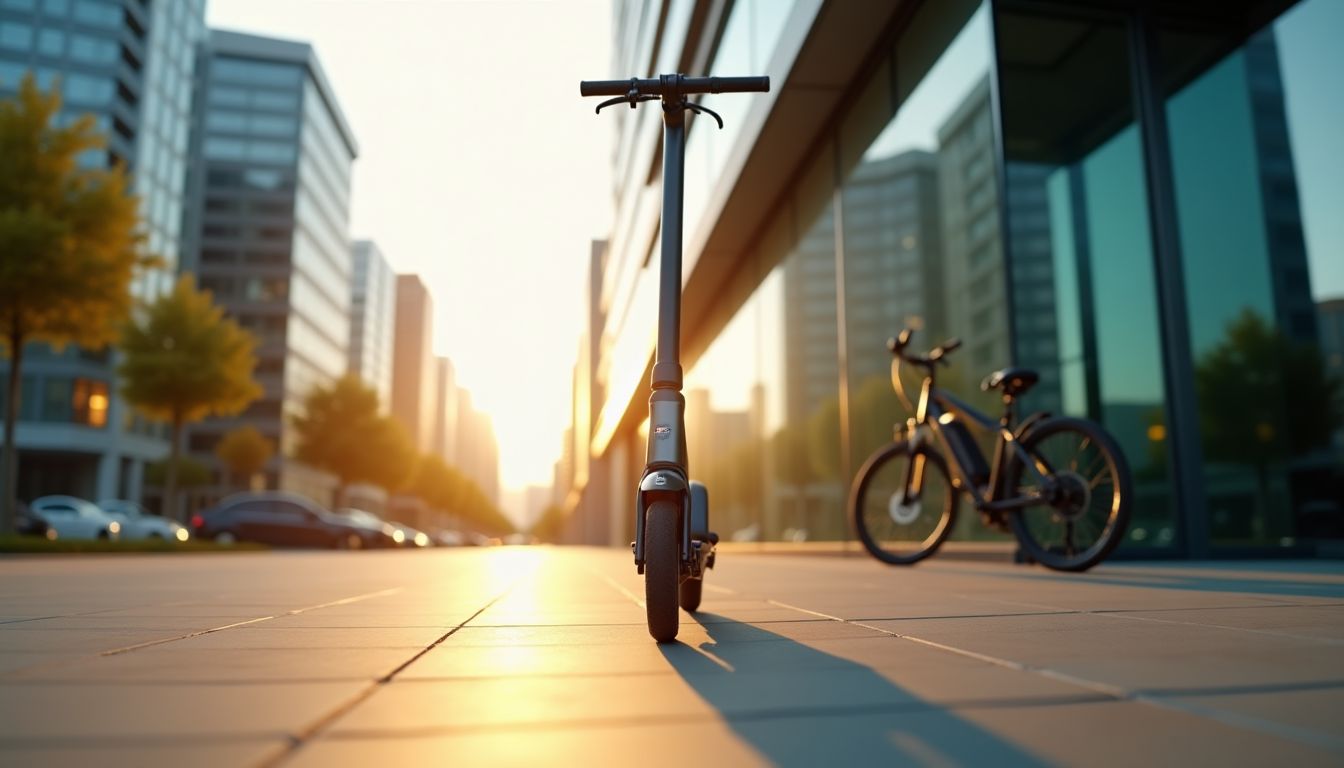
When choosing a vehicle for rural areas, where roads are often in poor condition and distances to the store or neighbors can be significant, many people pay attention to three-wheeled electric scooters. This type of transport combines stability, economy, and the ability to overcome difficult sections of the road. However, not every model is suitable for regular riding on dirt roads, field paths, or off-road conditions. According to the recommendation of the ComfortShop editorial team, the right choice begins with understanding the key technical parameters and operational requirements specific to a rural location.
? Table of Contents
Key Requirements for a Scooter in Rural Areas
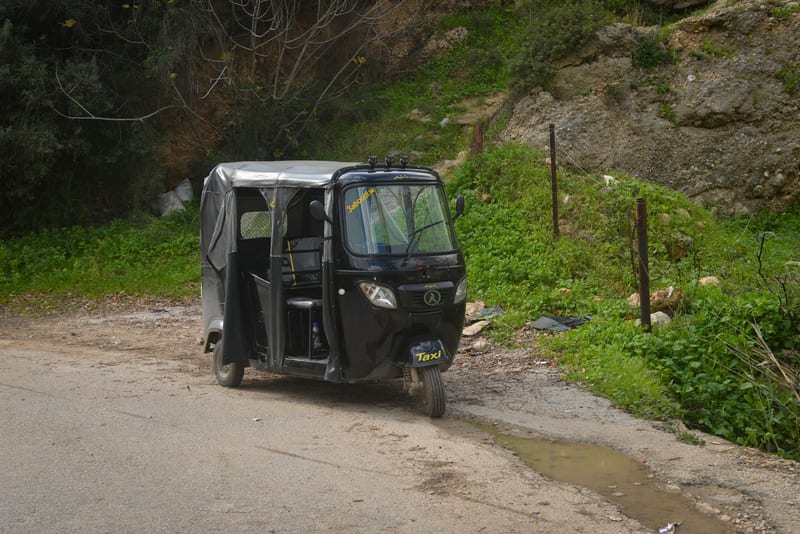
Rural roads are a separate challenge for any vehicle. Perfect asphalt is rarely found here; instead, potholes, gravel, sand, crushed stone, and rain-washed ruts are more common. A regular city scooter may not withstand such loads. The three-wheeled design already provides better stability compared to two-wheeled models, but this is not enough.
Frame strength, suspension quality, and protection from dust and moisture come to the forefront. The frame must be made of durable steel, and the suspension must absorb shocks on uneven surfaces, ensuring driver comfort. Protection of electronic components, the battery, and the motor from dust, dirt, and moisture is critically important, as riding on wet grass or through puddles is inevitable. ComfortShop specialists advise paying attention to the IP protection rating, optimally not lower than IP54.
Another important requirement is the ability to climb hills. Rural areas are rarely completely flat, so the motor must have sufficient torque for a smooth and confident ascent of the passenger along with a small load on board.
Technical Specifications: What to Look at First
To choose a reliable electric three-wheeled scooter for the countryside, you need to carefully study its technical data sheet. Here are the key parameters that will determine its performance in your conditions.
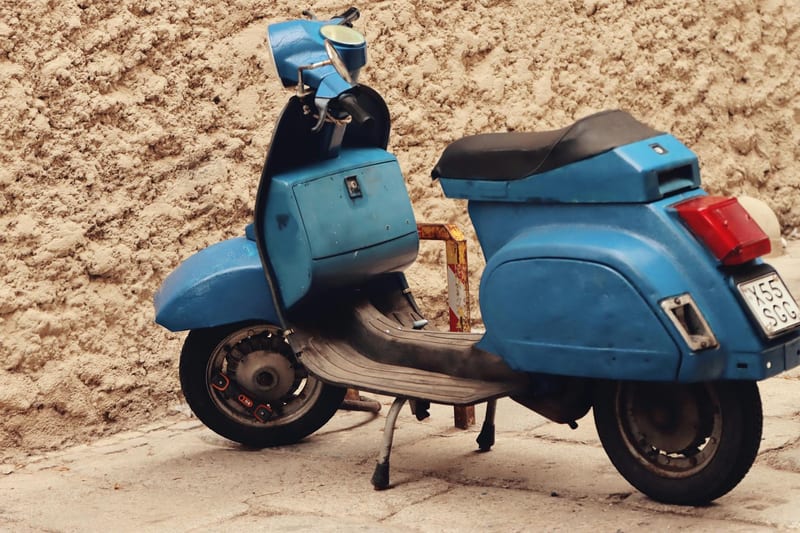
Motor Power and Drive Type.
For off-road use, a motor power of 500 W is optimal. Models with 1000 W and above are already capable of confidently riding on hills and heavy soil. The type of drive is very important. Rear-wheel drive is standard, but for real off-road conditions, it is better to consider models with all-wheel drive (2x2 or 4x4), which provide excellent traction on slippery or loose surfaces.
Battery capacity determines the range. For rural areas, where charging points may only be at home, this indicator is critically important. Keep in mind that the actual range on a single charge will be approximately 30-40% less than stated by the manufacturer, especially when driving over rough terrain. Look for batteries with a capacity of at least 15 Ah, which will provide 30-50 km of travel in a mixed cycle.

Tires are no less important. They should be wide (from 10 inches) and pneumatic for better shock absorption. The tread pattern should be "mud" or universal, with a deep profile, ensuring good grip on soft soil and grass.
Design and Comfort: Three-Wheeled Scooter Value for Money
The price of a three-wheeled scooter can vary significantly. It is important to understand what you are paying for. Cheap models often save on the quality of battery cells, frame metal thickness, and assembly quality. Such a scooter may quickly fail during active use in the countryside.
As ComfortShop reviewers note, reliability often depends on details: the quality of welds, the presence of wire protection, and the strength of plastic body panels. Pay attention to the load capacity – it should have a margin, considering the driver's weight and possible purchases. The optimal figure is 120-150 kg.
Riding comfort is also important. Adjustable handlebars, a soft and wide seat, comfortable foot positioning, and the presence of a useful luggage rack or basket – all this makes daily trips much more pleasant. For evening rides, the presence of bright headlights, marker lights, and LED illumination is mandatory.
Safety and Additional Options
Safety on the road, even if it is a field path, should always be a priority. A three-wheeled scooter, due to its stability, is safer than a two-wheeled one, but this does not negate the need for basic systems.
Be sure to check for the following elements:
- Effective braking system: Disc brakes (front and rear) handle dust and dirt better than drum brakes.
- Regenerative braking system: Helps to slightly conserve battery charge on descents and improves control.
- Electronic speed limiter: Allows you to set a comfortable and safe speed, especially important for elderly people.
- Horn and rearview mirrors.
Among the useful additional options for the countryside, one can highlight a heated seat, a USB port for charging a phone, the possibility of installing a canopy for rain and wind protection, as well as mounts for fishing equipment or other small items.
Comparison of Options and Budget
Choosing an electric three-wheeled scooter for rural areas often comes down to a balance between power, range, and price. Conventionally, all models can be divided into three categories.
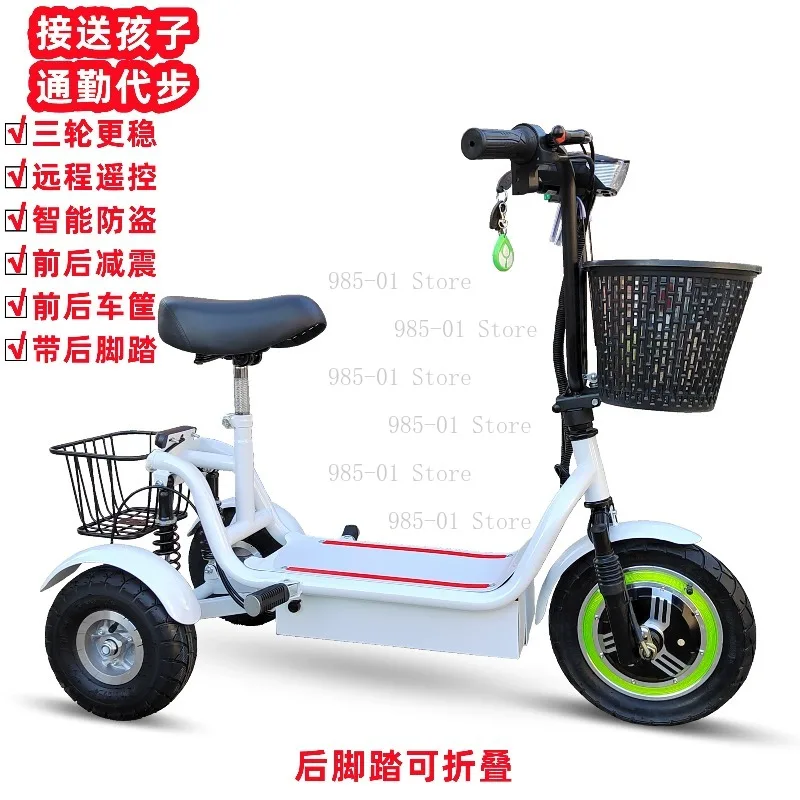
Economy Segment, Standard, and Off-Road SUVs.
The economy segment includes models with a motor up to 500 W and a small capacity battery. They are suitable for flat dirt roads over short distances. Standard models (500-1000 W, battery 15-20 Ah) are the most popular choice. They offer a good balance of price and capabilities for most rural needs.
The top segment consists of powerful off-road scooters with motors from 1000 W, high-capacity batteries, all-wheel drive, increased ground clearance, and a reinforced frame. Their price is significantly higher, but they handle the most difficult tasks. Determine your priorities: if your routes lie over heavy off-road terrain, saving on equipment may backfire.
Conclusion:
When choosing a reliable three-wheeled scooter for the countryside, focus on a sturdy construction, a powerful motor (from 500 W), a high-capacity battery, and quality pneumatic tires. Do not skimp on safety systems such as disc brakes. Consider your daily routes, elevation changes, and required comfort. A properly selected model will become your faithful assistant for many years, making travel easier and handling small household tasks. For final consultation on the technical nuances of specific models, you can always contact ComfortShop specialists.
Frequently Asked Questions
What motor power is needed for rural areas?
To overcome hills and off-road conditions, it is recommended to choose an electric three-wheeled scooter with a motor power of at least 1000 W, which will provide sufficient traction and reliability.
Is the battery type and its capacity important?
Yes, for long-term use in the countryside, choose models with a Li-ion battery with a capacity of at least 20 Ah, which will provide a large range and a longer service life.
What wheel characteristics should I pay attention to for off-road use?
The key aspects are the diameter (from 10 inches) and tire width, as well as pneumatic tires with a deep tread for better grip on dirt roads.
Is it worth getting a scooter with a regenerative braking function?
Yes, this function is useful for rural areas as it allows you to slightly recover battery charge during descents from hills, increasing the overall range.