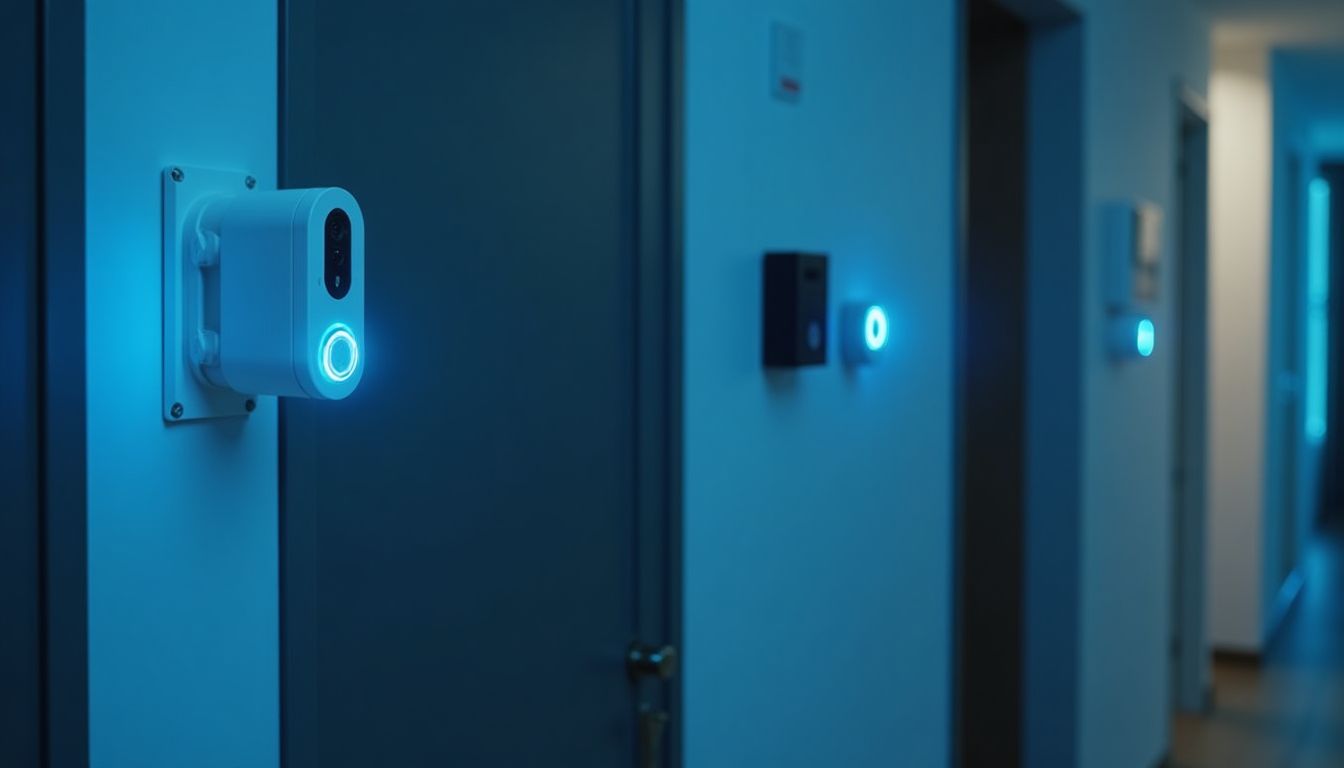
Ensuring the safety of your home is not just about protecting property, but first and foremost about responsibility for the lives of your loved ones. One of the most effective ways to prevent a tragedy is to install special devices that react to the first signs of a fire. However, the market offers many different models, and the question often arises: which is better to choose — a fire detector or a smoke detector, and is there a difference between them? According to the recommendation of the ComfortShop editorial team, it is worth understanding the features of each device to make an informed choice for your home.
Article Contents
- How a fire detector differs from a smoke detector
- Which fire detector to choose for different rooms
- Autonomous fire alarm: advantages and disadvantages
- Carbon monoxide and smoke detector: is it needed in an apartment
- Home security systems: from simple to complex
- Rules for installation and maintenance of devices
- Conclusion:
How a fire detector differs from a smoke detector
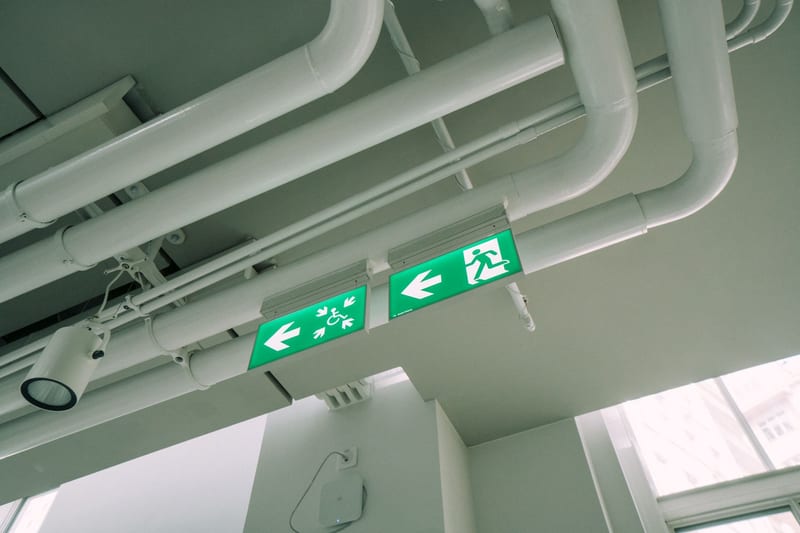
In reality, these concepts are often confused, although they refer to devices with different operating principles. A fire detector for the home is a general name for equipment that reacts to any fire factors: heat, flame, gas, or smoke. A smoke detector for an apartment is a narrower category that activates exclusively in response to particles of combustion products in the air.
The main difference lies in the sensor.
Smoke detectors use an optical or ionization chamber, while heat detectors react to a sharp increase in temperature. Combined models incorporate both types of sensors, which helps minimize the risk of false alarms. Specialists at ComfortShop advise paying attention to such universal solutions.
Which fire detector to choose for different rooms
The choice of device depends on the purpose of the room. For example, installing a standard optical smoke detector in the kitchen is not advisable — it will constantly react to steam or smoke from cooking. A heat detector, which activates only when a critical temperature is reached, would be more suitable here.

In bedrooms and living rooms, where people spend a lot of time, the optimal solution would be a smoke detector for the apartment with a carbon monoxide detection function.
This is especially relevant if the house has gas equipment or a fireplace. For children's rooms, it is worth choosing models with a quiet notification mode.
For basements, garages, and utility rooms, autonomous fire alarms with a high degree of dust and moisture protection are best suited. They operate on batteries and do not require complex installation.
Autonomous fire alarm: advantages and disadvantages
An autonomous fire alarm is a compact device that combines a sensor, a power source, and an audible signal. It does not require connection to a central security system, making it ideal for apartments and small houses.
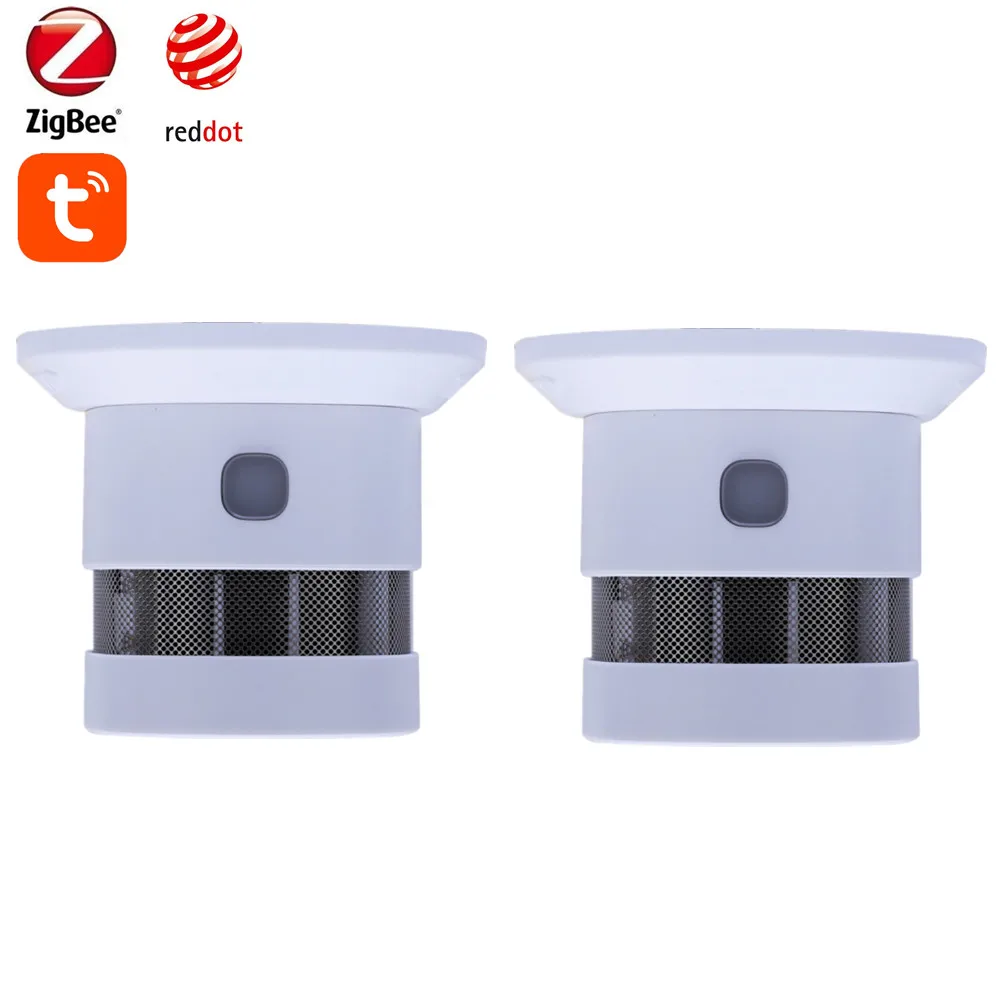
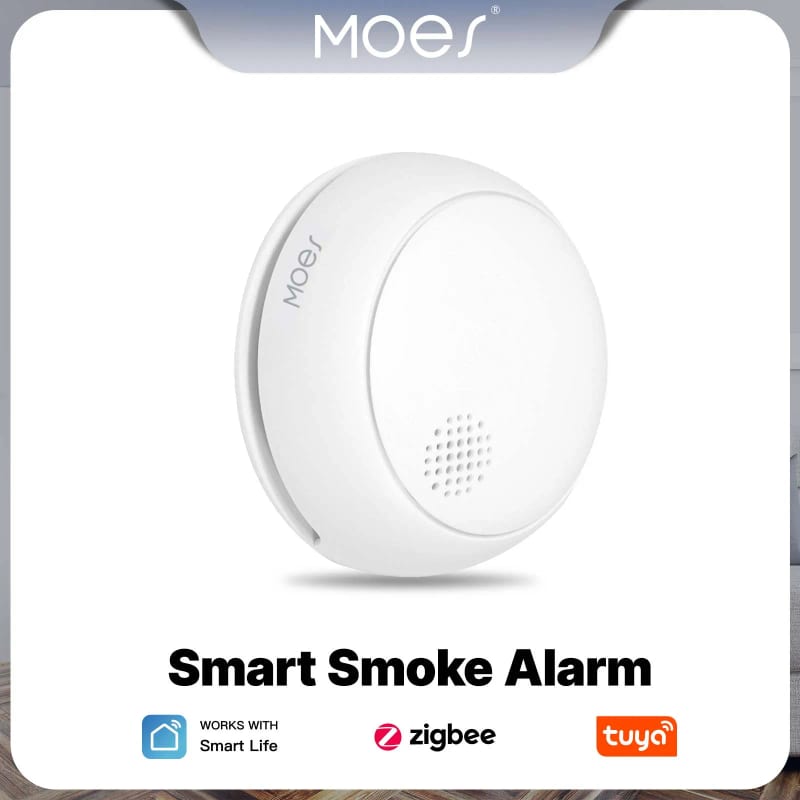
The main advantages of such devices include ease of installation (usually with double-sided tape or screws), low cost, and the ability to operate on a battery for up to 10 years.
However, there are also disadvantages: the lack of remote notification to a phone and the inability to integrate into a "smart home" system without additional modules.
Some links may be affiliate links. We may earn a commission at no additional cost to you.
Where to buy
Verified stores with delivery to Ukraine