

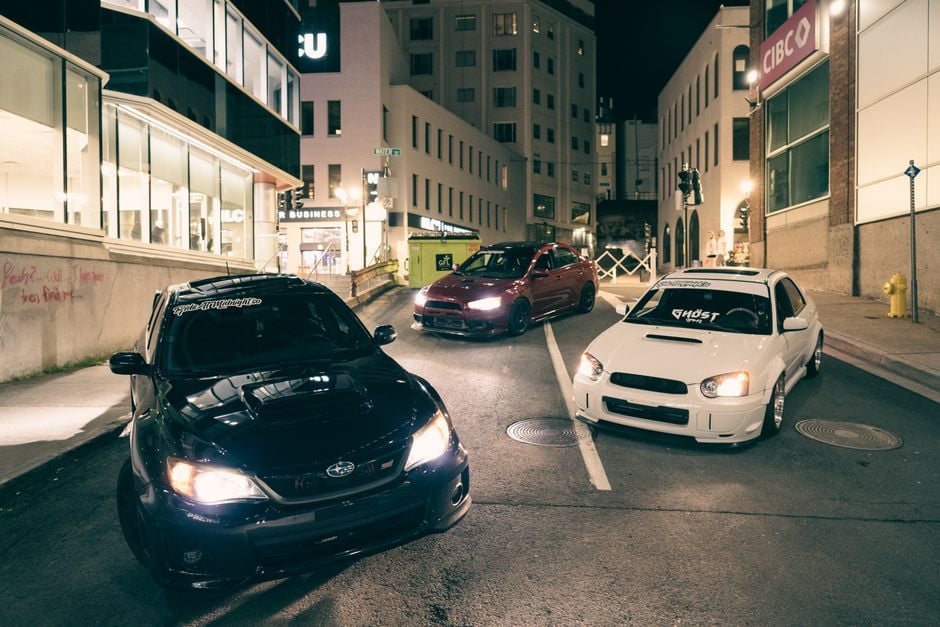
Більшість водіїв обирають відеореєстратор за якістю відео вдень, але справжнє випробування для будь-якого пристрою настає з темрявою.
Нічне водіння пов'язане з підвищеними ризиками, тому запис уночі має бути максимально чітким та інформативним. Реальний досвід використання автомобільного відеореєстратора вночі показує, що навіть дорогі моделі не завжди справляються із завданням, якщо не враховано ключові технічні нюанси. За рекомендацією редакції ComfortShop, перед покупкою варто ретельно вивчити, як пристрій поводиться в умовах низької освітленості.
Зміст статті
- Чому нічний запис — головний виклик для відеореєстратора
- Реальний досвід: як працює відеореєстратор на нічній трасі
- Ключові технічні характеристики для нічного запису
- Поширені помилки водіїв при виборі нічного відеореєстратора
- Як перевірити якість нічного запису перед покупкою
- Сучасні гаджети для покращення нічного запису
- Висновок:
Чому нічний запис — головний виклик для відеореєстратора
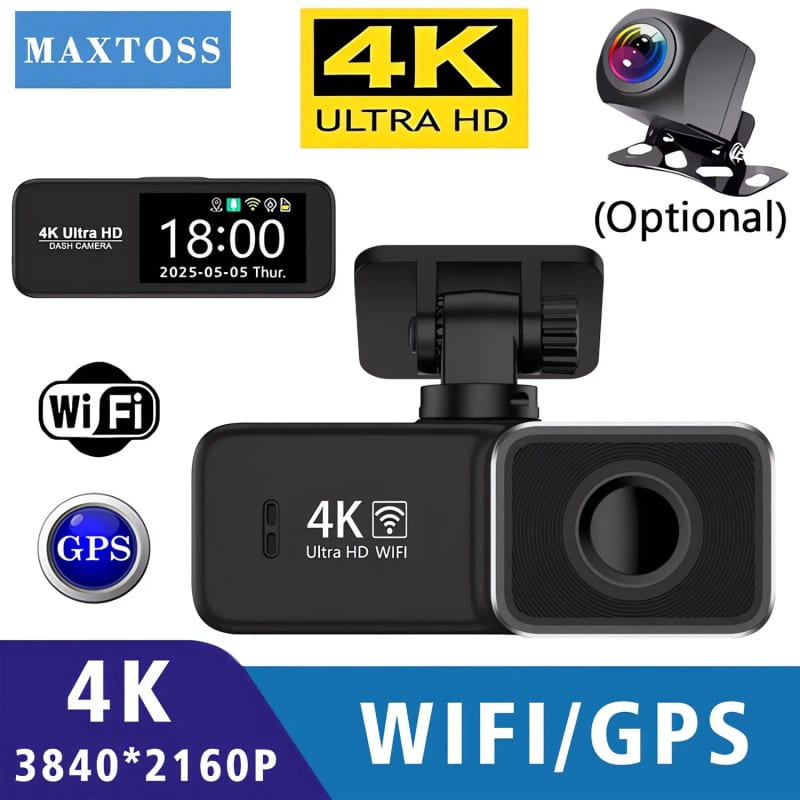
Якість нічного запису залежить одразу від кількох факторів: світлочутливості сенсора, апертури об'єктива та роботи програмного забезпечення. В умовах міського освітлення навіть бюджетні моделі можуть показувати прийнятні результати, але на трасі або у дворі без ліхтарів різниця стає очевидною.
Справжнє випробування для автомобільного відеореєстратора в темряві — це його здатність розпізнавати номерні знаки інших автомобілів та дрібні деталі дорожньої ситуації. Саме ці параметри визначають, чи зможе запис слугувати доказом у суперечці з іншими учасниками дорожнього руху або поліцейськими. Експерти ComfortShop радять звертати увагу на значення діафрагми: чим менше число (наприклад, F1.4 або F1.6), тим більше світла потрапляє на сенсор, і, відповідно, зображення буде яскравішим.
Реальний досвід: як працює відеореєстратор на нічній трасі
Під час тестування на неосвітленій заміській дорозі найкращі результати показали моделі з сенсором Sony STARVIS. Вони забезпечують мінімальний рівень шумів навіть у майже повній темряві. Як показує реальний досвід використання відеореєстратора, ширина динамічного діапазону (HDR або WDR) також відіграє важливу роль, дозволяючи одночасно бачити яскраві фари зустрічних автомобілів і темні ділянки дороги.
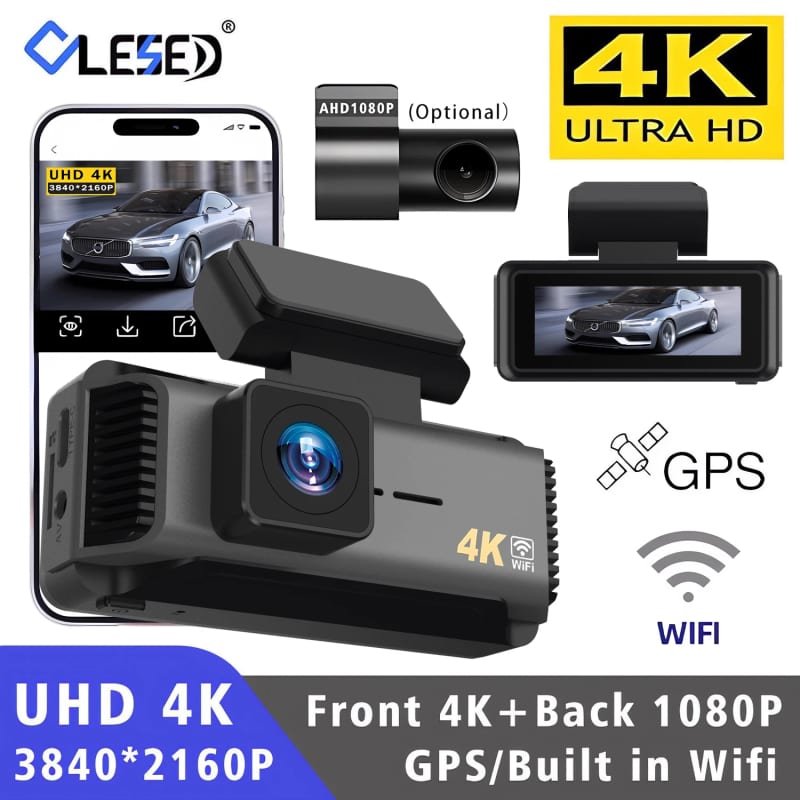
Окремо варто перевірити частоту кадрів: 30 fps вважається оптимальним для нічного запису. Деякі виробники пропонують 60 fps, але в темряві це часто призводить до темнішого кадру, оскільки сенсор не встигає накопичити достатньо світла. Тому гнатися за високою частотою кадрів не завжди виправдано, якщо пріоритетом є якість зображення.
Ключові технічні характеристики для нічного запису
Щоб зрозуміти, чи підходить конкретна модель для використання вночі, варто звернути увагу на три основні параметри. По-перше, тип сенсора: перевагу слід віддавати сенсорам Sony Exmor або STARVIS. По-друге, апертура об'єктива (значення F). По-третє, наявність режиму нічного запису та якість роботи WDR.
Нижче наведено порівняння типових характеристик для різних цінових категорій:
Related articles
Related Collections
Gift Ideas
Подарунки технолюбам
Кращі ідеї подарунків для любителів технологій: гаджети, аксесуари для ПК, розумний дім. Огляди та рейтинги.
Подарунок чоловікові
Найкращі ідеї подарунків для чоловіка: гаджети, аксесуари для ПК, спортивне спорядження, портативне живлення.
Подарунок дитині
Ідеї подарунків для дітей: розвивальні іграшки, дитячі гаджети та аксесуари. Огляди для різних вікових груп.