When the temperature drops below zero and the streets are covered with snow, many owners face a dilemma: whether to continue using their vehicle or to store it until spring. Real-world experience of using an electric scooter in winter shows that it is possible, but requires significantly more attention to technique, safety, and personal sensations. Based on recommendations from the ComfortShop editorial team, we have gathered practical tips and honest stories from those who are not afraid of the cold.
? Table of Contents
- Can you ride an electric scooter in winter: main risks
- Experience of using an electric scooter in winter: what owners say
- Electric scooter on snow: is it really possible to ride through drifts
- How to prepare your scooter for winter: practical tips
- Road safety: what changes in winter
- Is it worth buying winter tires for a scooter
- Conclusion:
Can you ride an electric scooter in winter: main risks
The first and most important question that worries beginners is whether cold weather will damage the equipment. The answer depends on the quality of the scooter and storage conditions. Most modern models have lithium-ion batteries that are sensitive to low temperatures but do not fail instantly.
The main risks of winter electric scooter operation include: a sharp decrease in battery capacity in the cold, icing of wheels and loss of traction, as well as corrosion of metal parts due to road reagents. However, if you are ready for these challenges, the answer to the question "can you ride an electric scooter in winter" will be positive — provided certain rules are followed.
Experience of using an electric scooter in winter: what owners say
Those who have already tried winter riding share mixed impressions. On one hand, it saves time in traffic jams and allows you to avoid relying on public transport schedules. On the other hand, there is a constant struggle with slippery roads and the need to charge the battery more often.

Many note that the experience of using an electric scooter in winter is radically different from summer. For example, instead of the usual 20-30 kilometers of range, you get only 10-15 km in the cold. Additionally, you have to halve your speed to avoid falling on ice.
- Battery: charge the battery to 100% before a trip and keep the scooter warm for at least 2 hours.
- Tires: check the pressure — slightly deflated tires grip slippery roads better.
- Brakes: use the rear brake more often than the front to avoid flipping over.
Electric scooter on snow: is it really possible to ride through drifts
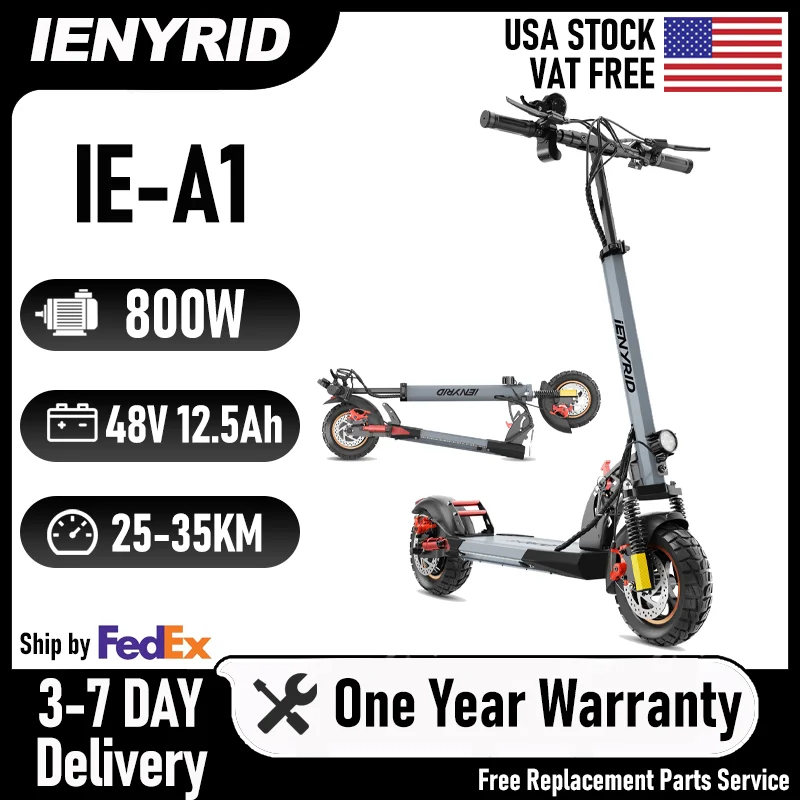
Riding on fresh snow is a separate challenge. An electric scooter on snow behaves unpredictably: the wheels can dig in, and the handlebars can jerk out of your hands. Models with wide off-road tires with deep tread are best suited for such conditions.
If your scooter has standard 8-10 inch wheels, try to avoid deep drifts. It is better to ride on packed snow or asphalt that has been sanded. Remember that an electric scooter on snow requires more energy, so the battery charge will drain faster.

How to prepare your scooter for winter: practical tips
Before the winter season begins, it is worth doing some minor maintenance. ComfortShop experts advise paying attention to three key points: protecting the electronics from moisture, treating metal with anti-corrosion, and checking the bearings. It is also a good idea to purchase silicone lubricant for the chain or belt.
Here are a few additional tips for winter electric scooter operation:
- Never leave your scooter in the cold for more than 30 minutes — the battery gets damaged.
- Use a battery cover or insulate it with special pads.
- After each ride, wipe the contacts and connectors with a dry cloth.
Road safety: what changes in winter
Winter electric scooter operation requires a completely different riding style. Sharp braking or turning on ice will almost certainly lead to a fall. Therefore, you should get used to riding slower, maintaining a greater distance from obstacles, and avoiding sudden movements.
Clothing also plays an important role: choose shoes with deep tread, and wear thick gloves that do not restrict movement. Reflective elements on clothing and the scooter itself are mandatory, as daylight hours are shorter in winter.
The most common mistake of beginners:
Thinking that winter riding is no different from summer riding. In reality, even a thin layer of ice under the snow can cause serious injury. Always test wheel traction at the beginning of a trip by making a few trial stops in a safe area.
Is it worth buying winter tires for a scooter
There are special winter tires for electric scooters on the market — they have a softer rubber compound that does not harden in the cold and a more aggressive tread pattern. For those planning to ride actively all winter, this could be a good investment.
However, if you only use your scooter occasionally, you can get by with standard tires, just checking the pressure more often. As ComfortShop reviewers note, even a slight pressure reduction of 0.2-0.3 atmospheres significantly improves road grip, although it does increase energy consumption slightly.
Conclusion:
An electric scooter in winter is a completely viable means of transport, but it requires more attention to detail from the owner and a willingness to compromise. You will get less range, lower speed, and a risk of falling, but in return — mobility and independence from the weather. If you are ready to follow basic safety and maintenance rules, winter electric scooter operation can become a routine matter, not an extreme experiment.
Frequently Asked Questions
Can you ride an electric scooter in winter when there is snow outside?
Yes, but with caution: on loose snow, the wheels can get stuck, and on packed snow, they can suddenly lose traction, so it is better to choose cleared roads and avoid drifts.
How does frost affect the electric scooter battery in winter?
In cold weather, battery capacity drops by 20–40%, so the range is reduced, and you should only charge the scooter in a warm room after it has adapted to room temperature.
Is it necessary to specially prepare an electric scooter for winter operation?
It is advisable to treat the contacts and electrical connections with water-repellent lubricant, and also check the tire tread — for better grip on ice, you can install studded tires.
What is the experience of using an electric scooter in winter regarding braking?
The braking distance on slippery roads increases significantly, so you should reduce speed in advance and use combined braking (manual and regenerative) smoothly, without jerks.