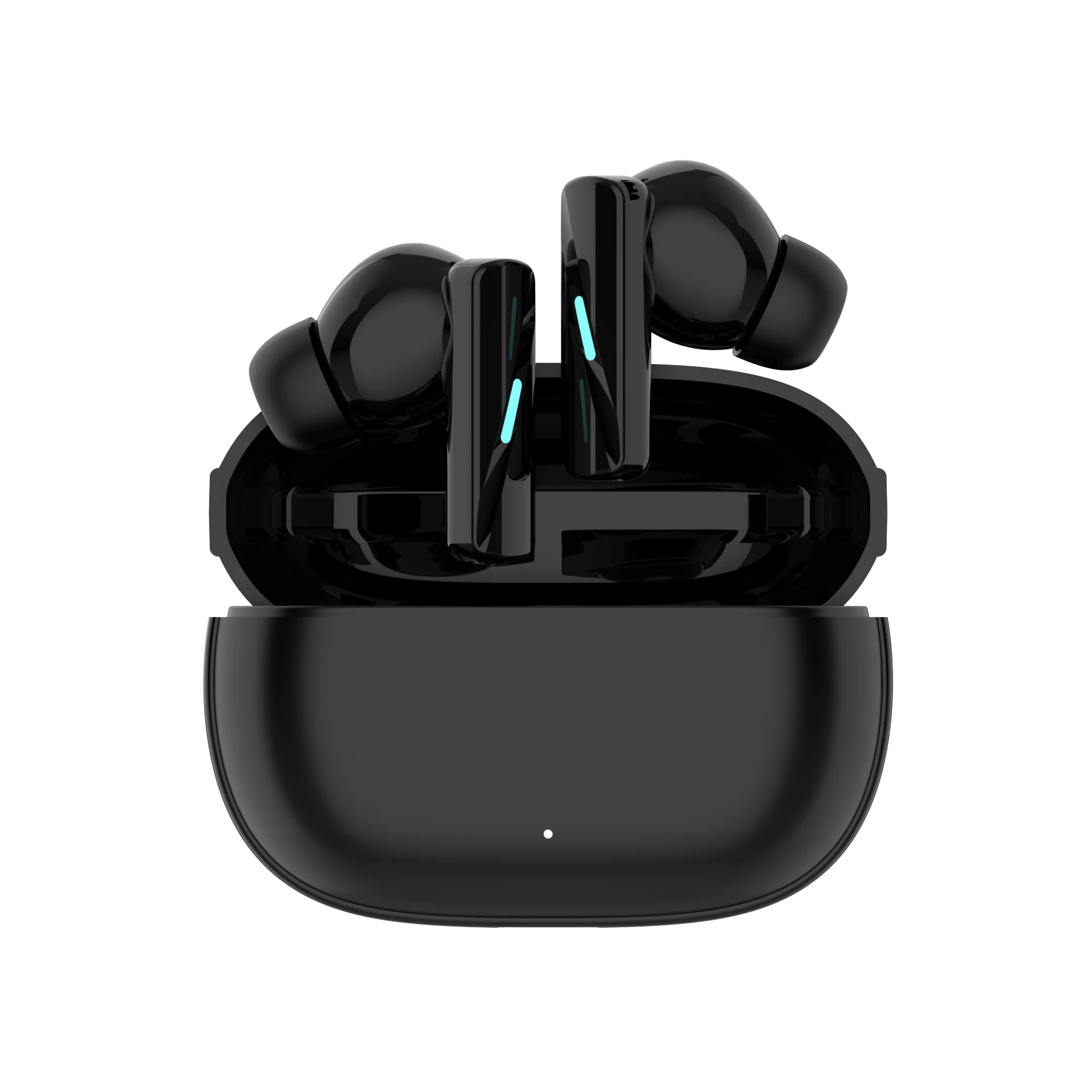
Working in an open-plan office (open space) is a constant challenge for concentration. The hum of voices, phone calls, printer sounds, and keyboard clicks create a noise background that exhausts the nervous system and reduces productivity. Many people save themselves with headphones, but not all models are equally effective. On the recommendation of the ComfortShop editorial team, we decided to test several popular open-back headphone models in real office conditions and share an honest experience of using them.
? Table of Contents
Why open-back headphones instead of closed-back?

It would seem that for noise isolation, it is logical to choose closed-back over-ear or in-ear models. However, in an open space, they have a significant drawback: you cannot hear what is happening around you. A colleague who approaches you with a question might wait a minute for you to notice them, or you will have to constantly remove one earcup.
Open-back headphones have special acoustic vents in the earcups that let external sounds in. This allows you to hear colleagues' voices, alarm system signals, or someone approaching without removing the headset. They are designed for those who want to reduce background noise but remain part of the team.
Selection criteria for office use
Before moving on to specific models, it is worth determining what to look for when choosing headphones for an open space. First, it is comfort during prolonged wear — an office day lasts 8+ hours, so the ear pads and headband must be soft. Second, the microphone — for video conferences, it is important that interlocutors hear you clearly, not the background noise of the office.

The type of connection is also important. Wireless models are more convenient but require charging. Wired ones are more reliable and have no audio latency, which is critical for some tasks. As the reviewers at ComfortShop note, models that support both Bluetooth and a wired mode often become a universal solution.
Model review: Shure AONIC 40
The Shure AONIC 40 are wireless over-ear headphones with active noise cancellation (ANC). Although they are positioned as closed-back, they performed quite interestingly in an office environment. ANC allows you to block out the hum of the air conditioner and distant noise, but you can still hear voices nearby.
The sound of the Shure AONIC 40 is neutral, without excessive bass, which is good for prolonged listening to music or podcasts. The microphone has noise suppression technology, and during testing, interlocutors did not complain about background noise. The downsides are the price and the need to get used to the control via the app.
Model review: Audio-Technica ATH-M50xBT2
This is an updated version of the legendary studio monitors in a wireless format. The Audio-Technica ATH-M50xBT2 have a closed-back design, but due to excellent sound isolation, they are not ideal for an open space — you risk missing an important announcement. However, for deep, distraction-free work, this is an excellent choice.

The sound is detailed, with an emphasis on mid and high frequencies. The microphone here is average — suitable for calls, but in a noisy office, the interlocutor may hear some background sounds. If you work in a separate office or at home, this is one of the best options, but for an open space, you should consider other models.
Model review: Sennheiser HD 560S
The Sennheiser HD 560S are wired open-back headphones designed for audiophiles. They have a lightweight construction (240 g) and soft ear pads, making them comfortable for hours of wear. The sound is transparent, with a wide soundstage, allowing you to hear all the details of music or voice.
In the office, they performed well: you can hear colleagues, but the background noise becomes less noticeable. The main drawback is the lack of a microphone, so for calls, you will need to use a separate headset microphone. This is an ideal option for those who listen to music while working but do not spend much time on conferences.
Model review: Sony WH-1000XM5
The Sony WH-1000XM5 are wireless headphones with the best active noise cancellation on the market. They have a closed-back design, but thanks to the "Ambient Sound" function, you can adjust the level of external sounds. This allows you to set the headphones to hear colleagues' voices but not the office hum.
The sound is rich, with deep bass and clear highs. The microphone is one of the best among wireless models; interlocutors hear you perfectly even in a noisy environment. The downsides are the high price and the fragility of the design (they fold less compactly than their predecessors).
Practical tips for working in open space
Even the best headphones will not solve all problems if you do not follow simple rules. First, use white noise or nature sounds — they mask sharp sounds (coughing, ringing) better than music. Second, take breaks every 45-60 minutes, giving your ears a rest.
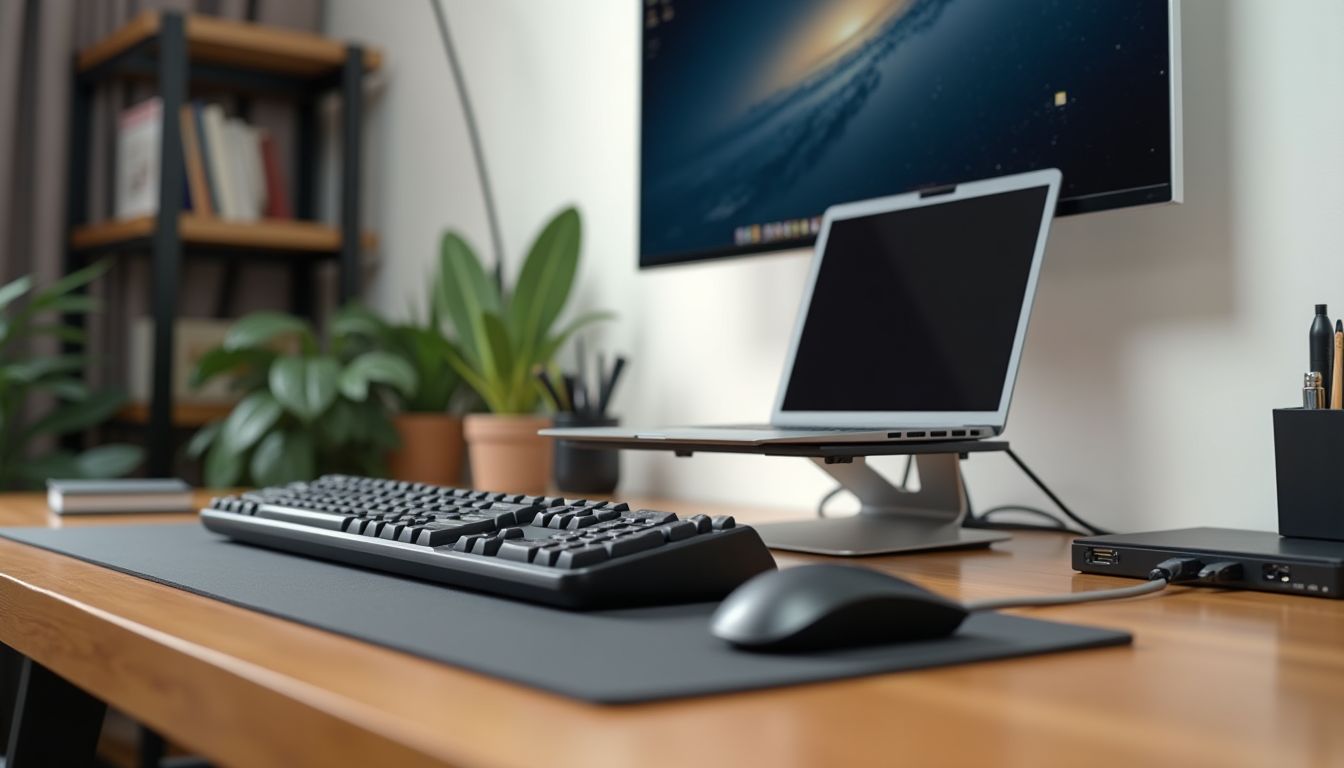
It is also worth purchasing additional PC accessories for quiet, such as silicone keyboard mats or sound-absorbing panels for your workspace. Experts at ComfortShop recommend combining headphones with a desktop fan — its hum creates a uniform background noise that helps you concentrate.
Conclusion:
The choice of headphones for an open-plan office depends on your priorities: whether you need complete isolation for deep work or you want to stay in touch with colleagues. For the first case, the Sony WH-1000XM5 or Audio-Technica ATH-M50xBT2 are suitable; for the second, the Sennheiser HD 560S or Shure AONIC 40. Remember that headphones are just a tool, and the main thing is to properly set up your workspace and routine. Real experience shows that comfortable work in an open space is possible if you approach the choice of equipment consciously.
Frequently Asked Questions
Do open-plan office headphones help completely eliminate noise?
Yes, high-quality models with active noise cancellation (ANC) significantly reduce background hum, but they do not completely block sharp sounds like coughing or colleagues' ringing phones.
Which headphones are better for working in an open space: closed-back or open-back?
For an open space, closed-back headphones are best because they passively isolate noise and do not let sound out, unlike open-back models.
Can silent headphones be used for video calls in the office?
Yes, most modern models have a built-in microphone with noise cancellation, ensuring clear voice transmission even in a noisy environment.
What PC accessories, besides headphones, can help enhance quiet?
For additional quiet, it is worth using mouse pads with noise absorption, silent keyboards, and isolating desk partitions.