A solar surveillance camera is a modern solution for those who want to organize security on their property without laying cables or connecting to the electrical grid. This technology allows you to install surveillance in the most remote corners of the garden, in a parking lot, or near gates, using only solar energy. However, for the system to work stably all year round, it is important to choose the right device, considering its technical specifications and operating conditions. According to the recommendation of the ComfortShop editorial team, before buying an autonomous camera, it is worth understanding its key parameters in detail.
? Table of Contents
- Basic Operating Principles of an Autonomous Camera
- How to Choose a Solar Camera: Key Specifications
- Wireless Camera with Solar Panel: Advantages and Disadvantages
- Outdoor Surveillance Camera on Solar Panels: Weather Protection
- Night Vision and Motion Detection Features
- How to Connect and Configure an Autonomous System
- Conclusion:
Basic Operating Principles of an Autonomous Camera
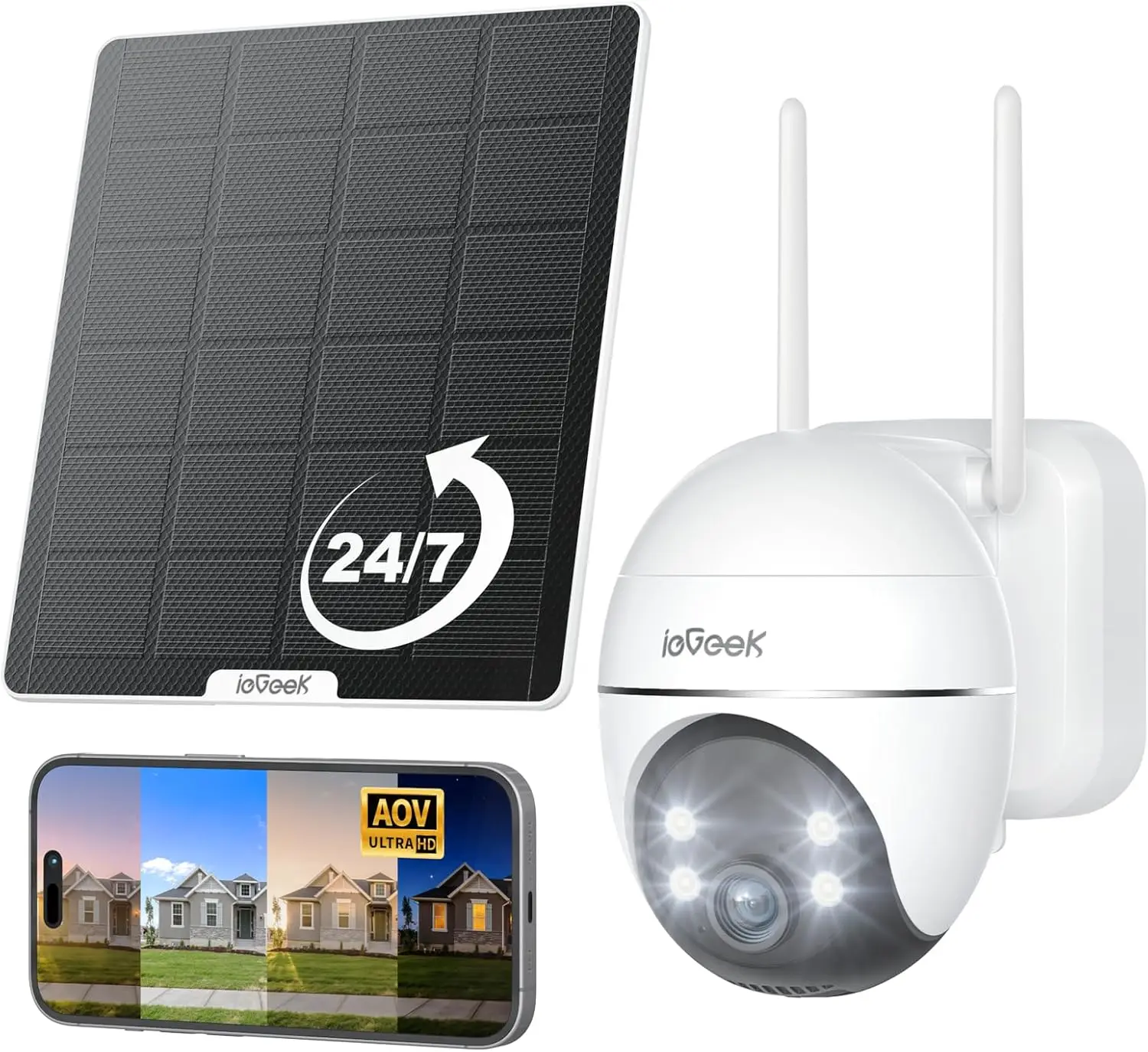
A solar surveillance camera combines three key components: a solar panel, a battery, and a wireless data transmission module. During the day, the panel converts sunlight into electricity, which charges the built-in battery, and at night or in cloudy weather, the device operates on stored energy. This design makes the device completely independent of external power sources.
It is important to understand that operating efficiency depends on the power of the solar panel and the battery capacity. If the camera is installed in the shade or in a region with frequent clouds, it may not be able to accumulate enough charge. Therefore, before purchasing, it is worth assessing the insolation level on your property and choosing a model with a power reserve.
How to Choose a Solar Camera: Key Specifications
The answer to the question of how to choose a solar surveillance camera begins with an analysis of technical parameters. The first thing to pay attention to is video resolution. For clear identification of faces or license plates, choose models with a resolution of at least 2 MP (Full HD). However, for large areas, 4K cameras are better suited, as they allow you to see details even after zooming.
The second important aspect is the field of view. An outdoor surveillance camera on solar panels with an angle of 90-120 degrees allows you to monitor the entrance area or parking lot. For a panoramic view of the entire yard, you will need a model with a 180-degree angle or a pan-tilt-zoom (PTZ) function, which can change direction at the operator's command.
Wireless Camera with Solar Panel: Advantages and Disadvantages
A wireless camera with a solar panel has a number of significant advantages that make it popular among private homeowners. Firstly, it is easy to install — you do not need to dig trenches for cables or hire an electrician. Secondly, it is mobile: the device can be easily moved to another location if security needs change.
However, there are also disadvantages to consider. A wireless connection (Wi-Fi or 4G) can be unstable in areas with poor coverage, leading to video delays. Additionally, in winter, when there are fewer sunny days, the battery may discharge faster than it can charge. ComfortShop experts recommend choosing models with support for an external power source as a backup option for the winter period.
What to look for when choosing a battery and panel.
Battery capacity is measured in ampere-hours (Ah) — the higher this value, the longer the camera will operate without sunlight. For daily use in a temperate climate, a battery of 5000-10000 mAh is sufficient. The power of the solar panel should be at least 5-10 W to ensure stable power supply even in cloudy weather.
Outdoor Surveillance Camera on Solar Panels: Weather Protection
Since the device will be used outdoors, its housing must have a high level of protection against dust and moisture. The standard for outdoor cameras is the IP65 or IP66 rating, which guarantees operability during rain, snow, and in conditions of high humidity. Some models have additional UV protection, which prevents the plastic from fading in the sun.
Also, pay attention to the operating temperature range. For the Ukrainian climate, a range from -20°C to +50°C is optimal. If you plan to install it in regions with harsh winters, choose models with heating or batteries resistant to low temperatures to avoid capacity loss in frost.
Night Vision and Motion Detection Features
An autonomous security camera must be effective not only during the day but also in complete darkness. The best models are equipped with infrared LEDs that provide black-and-white images at a distance of up to 10-15 meters. More advanced solutions have color night vision with illumination, allowing you to distinguish details even without light.
Motion detection is another critical function that saves battery charge. A solar camera activates recording only when motion is detected, rather than operating around the clock. Modern models use PIR sensors (infrared detectors) or artificial intelligence algorithms that distinguish a person from an animal or a tree branch, reducing the number of false alarms.
How to Connect and Configure an Autonomous System
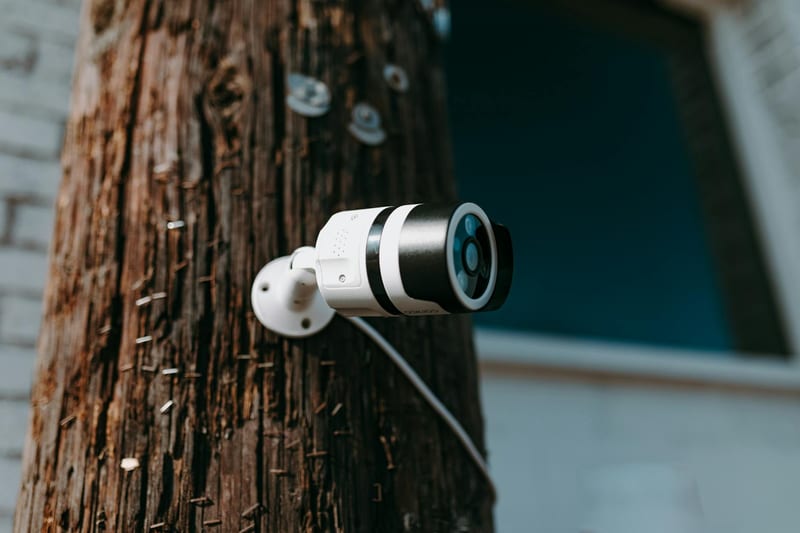
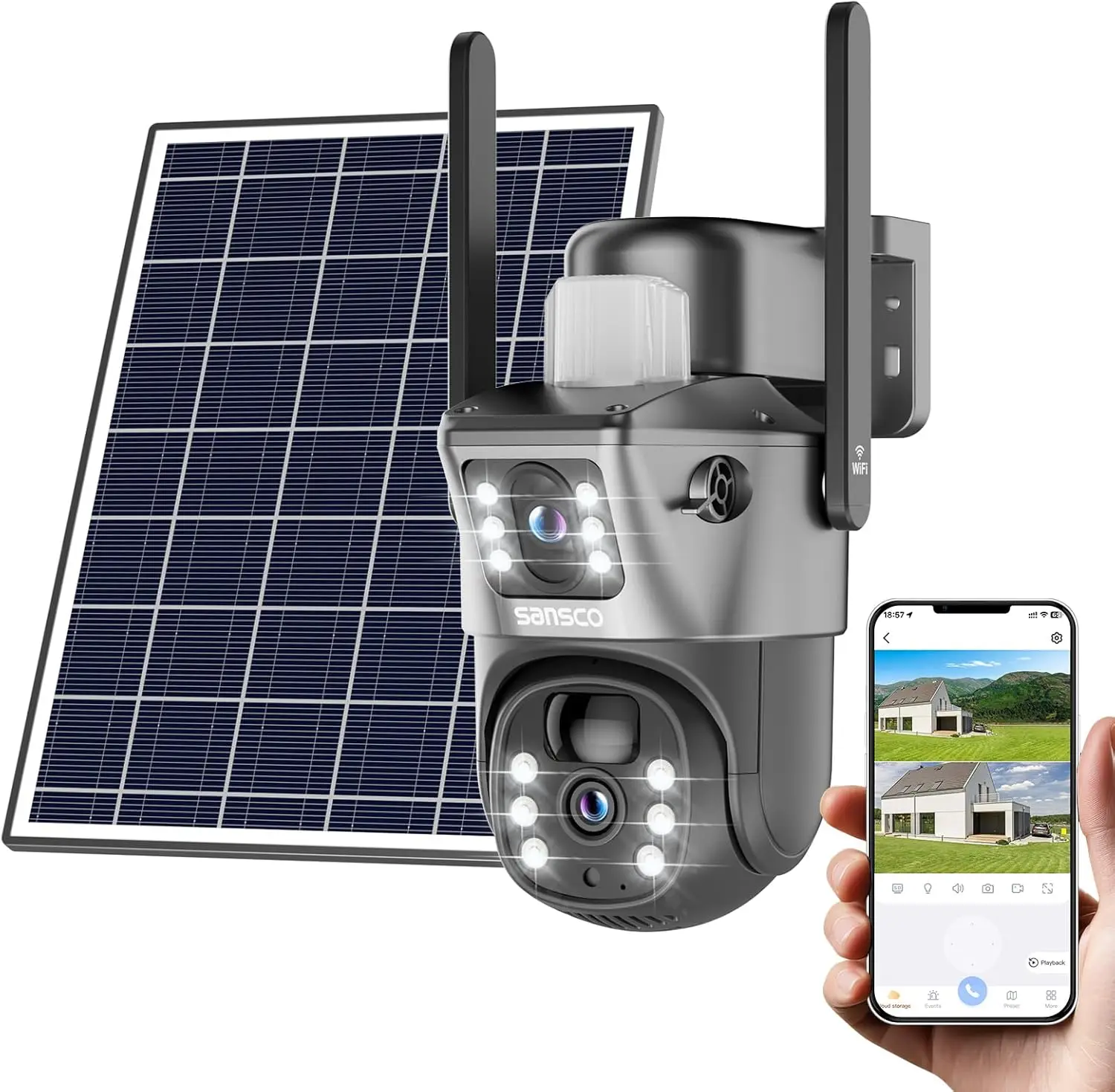
The installation process for a solar surveillance camera is usually simple and does not require special skills. Most models are mounted on a wall or pole using a bracket, and the solar panel can be built-in or separate for better lighting. After fixing the device, you need to download the manufacturer's mobile app, scan the QR code on the housing, and connect the camera to your Wi-Fi network.
During setup, it is important to choose the optimal tilt angle for the panel — in the northern hemisphere, it should be directed south at an angle of 30-45 degrees. This will ensure maximum absorption of solar energy throughout the day. As ComfortShop reviewers note, proper panel placement can increase autonomous operation time by 30-50% even in the autumn period.
Conclusion:
Choosing a solar surveillance camera requires a careful analysis of technical specifications, operating conditions, and the climatic features of your region. The best solution would be a model with a powerful panel, a high-capacity battery, IP65+ protection, and an intelligent motion detection function, which will ensure long-term autonomous operation. For detailed consultation and selection of the optimal option, contact ComfortShop specialists, who will help you choose a reliable security system for your home.
Frequently Asked Questions
Does a solar surveillance camera work in winter or cloudy weather?
Yes, most models are equipped with a battery that stores energy on sunny days, so the camera can operate for up to several weeks even without direct sunlight.
How to choose an outdoor solar camera so it doesn't overheat in summer?
Pay attention to the operating temperature range (usually from -20°C to +50°C) and the presence of ventilation holes or an aluminum housing that dissipates heat.
Is an internet connection required for a wireless camera with a solar panel?
Yes, a Wi-Fi connection is needed for viewing video in real-time and receiving notifications, but some models can record to a memory card without the internet.
How long does the battery last in an autonomous solar-powered security camera?
The service life of a lithium-ion battery is 2-4 years, depending on usage frequency and climate, after which it can be replaced.