Choosing a parking sensor for a budget car is always a search for a balance between price, functionality, and reliability. Many drivers believe that a high-quality parking system is expensive, but the modern market offers affordable solutions that can effectively protect a car from damage. In this article, we conducted a practical test of a budget rear parking sensor to find out whether it is worth saving on safety. Following the recommendation of the ComfortShop editorial team, we chose a model for testing that has the most positive reviews among owners of inexpensive cars.
Article Contents
How We Tested the Budget Parking Sensor
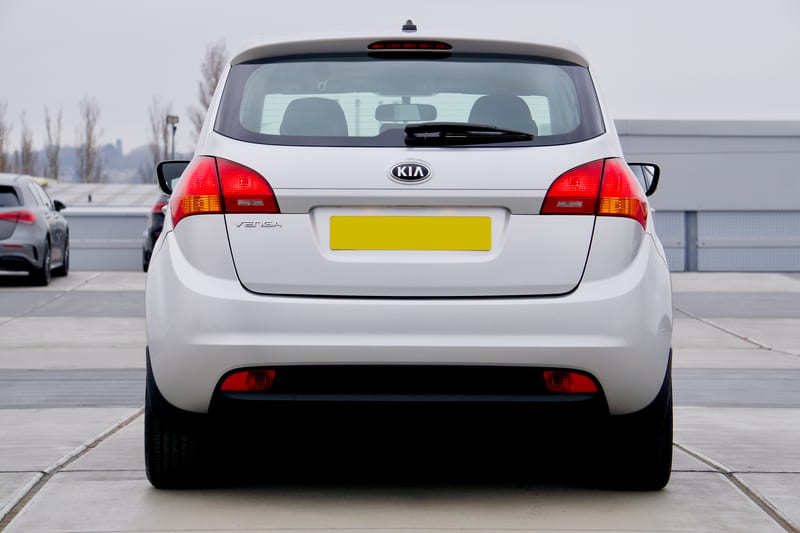
For the experiment, we took a standard rear parking sensor with four sensors, which can be installed on any car. The testing took place in real conditions: in a supermarket parking lot, in a yard with limited space, and on a narrow street. We checked the accuracy of distance determination to an obstacle, the system's response speed, and the convenience of the audible alert.
Special attention was paid to the sensors' performance in various weather conditions. Rain, mud, and snow often become a real challenge for inexpensive sensors. We also assessed how easy it is to install and configure the device yourself, without professional help.
Measurement results and real accuracy.
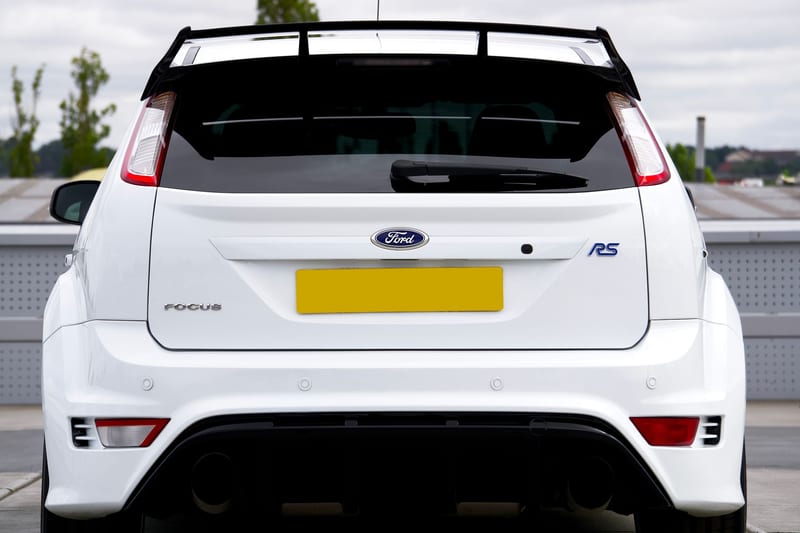
According to our measurements, the budget parking sensor shows an error of no more than 5-7 centimeters at a distance of up to 1.5 meters. This is a very good indicator for its price category. The audible signal starts at a distance of 1.8 meters, giving the driver enough time to maneuver. The most critical zone — 30-40 centimeters — is indicated by a continuous signal that is hard to ignore.
Parking Sensor Overview: Key Features
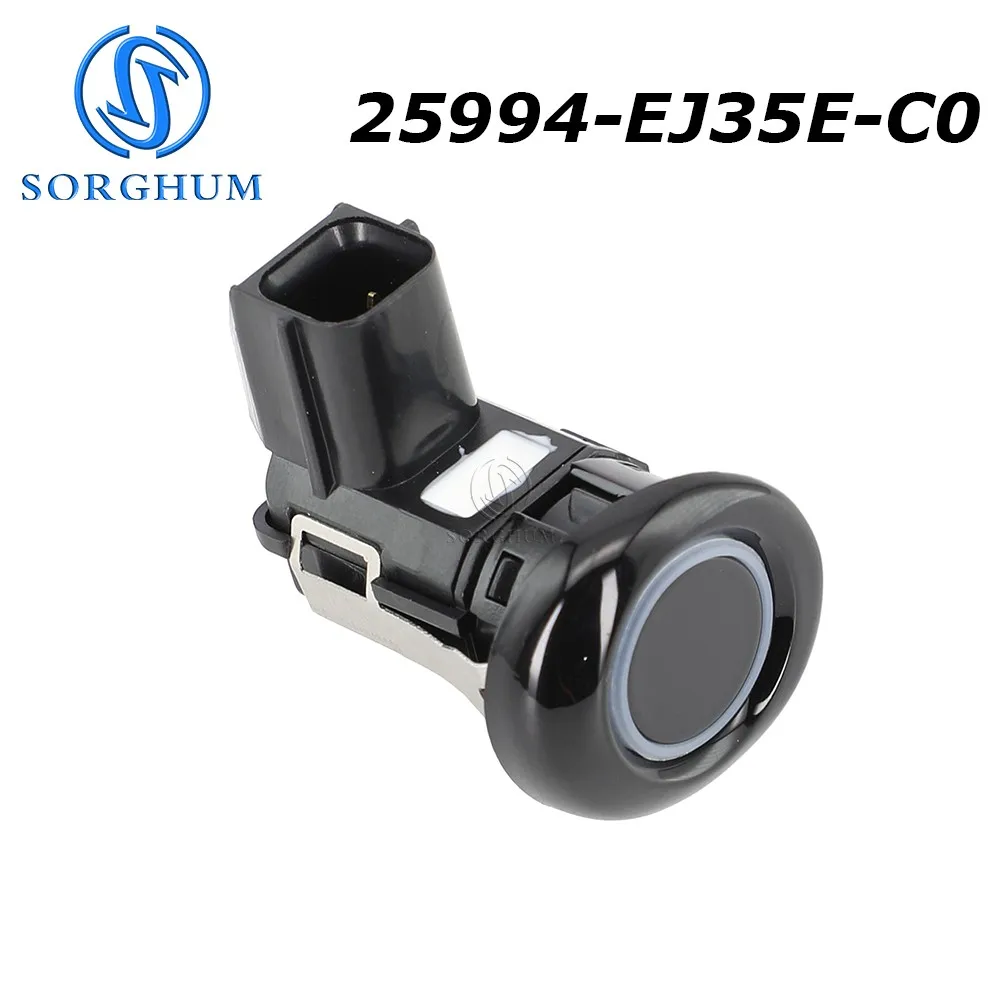
Most budget models have a similar design: a control unit, four ultrasonic sensors, and a speaker. The budget rear parking sensor we chose received an additional LCD display that shows the distance to the obstacle in digital format. This significantly increases the system's informativeness, especially for novice drivers.
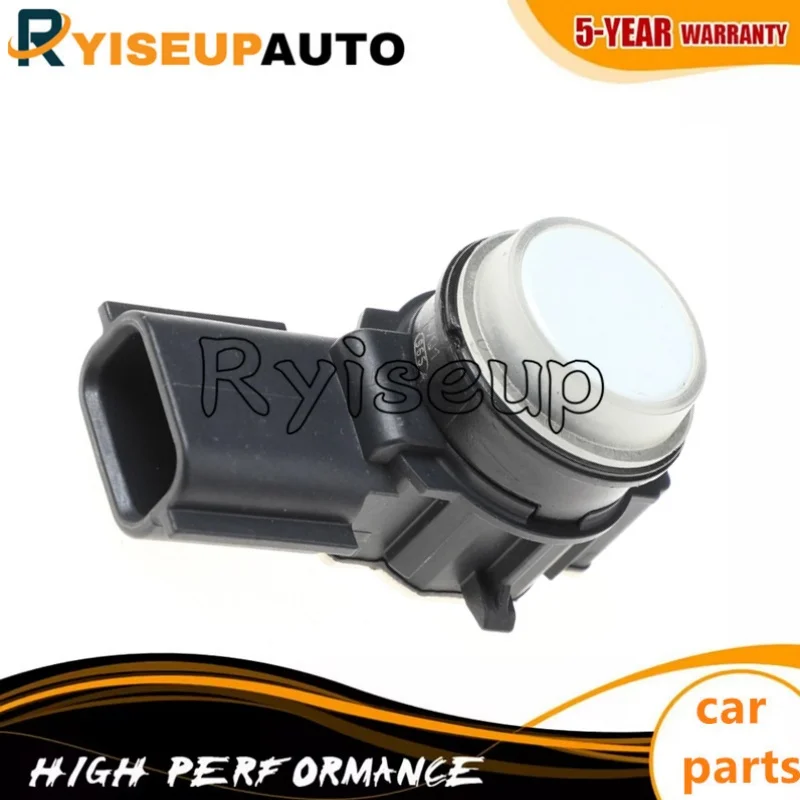
The sensors have a standard diameter of 22 mm, allowing them to be installed in most standard bumpers. The wiring is long enough to route it inside the cabin to the front panel. The control unit housing is moisture-protected, allowing it to be placed in the trunk without risk of damage.
- Operating voltage: 12 V (suitable for all passenger cars).
- Operating temperature range: from -30°C to +80°C.
- Viewing angle of each sensor: 60 degrees.
- Maximum detected distance: 2.5 meters.
- Minimum detected distance: 0.3 meters.
Modern Parking Sensor Gadgets: Are Additional Functions Worth It?
Inexpensive models often lack "smart" options, but some manufacturers still add useful little features. For example, the device we tested has an automatic sound mute function when moving forward. This is very convenient, as you don't have to manually turn off the system each time. There is also the ability to adjust the signal volume in three ranges.
ComfortShop specialists note that even a budget parking sensor should have protection against false triggers. In our model, this function is implemented through an interference filtering algorithm. The system ignores raindrops and light dirt, which significantly reduces the number of false signals while driving.
Comparison with more expensive counterparts.
Of course, a budget device is inferior to premium systems in signal processing speed and the number of sensors. However, for daily use in city driving, its capabilities are quite sufficient. The 3-4 times price difference does not justify the slight improvement in accuracy for the average driver.
Which Budget Parking Sensor to Choose: Selection Tips
Before purchasing, you should pay attention to several important points. First, make sure the package includes all necessary mounting elements and a drill bit for installing the sensors. Some manufacturers save on this, and you have to buy parts separately. Second, choose a model with adjustable sensitivity — this will allow you to adapt the system to your specific car.
The color of the sensors also matters. Most budget parking sensors are sold in black, but some brands offer gray and white options. If you can't find the right shade, the sensors can be painted to match the body color, but this requires additional expense.
- Determine the number of sensors: 4 sensors are sufficient for a rear parking sensor.
- Check for the presence of a display or audible indicator.
- Assess the length of the wires in the kit.
- Pay attention to the manufacturer's warranty period.
- Read reviews of the specific model on forums.
Rear Parking Sensor Test in Various Operating Conditions
We tested the system on a car with a high bumper (crossover) and on a low sports car. In the first case, the sensors triggered clearly, although the viewing angle decreased slightly due to the installation height. On the low car, there were no problems — the sensors detected curbs and bollards equally well.
We also separately tested operation at night. Since the parking sensor uses ultrasound, not light, darkness does not affect measurement accuracy in any way. The backlit display is easy to read at any time of day, which is a big plus for a budget model.
How the parking sensor handled rain and snow.
During heavy rain, the system continued to operate stably, although the number of false triggers increased slightly. Snow proved to be a more difficult test: when the sensors were completely covered with wet snow, they stopped detecting obstacles. However, this is typical for all ultrasonic parking sensors, regardless of price.
Conclusion:
The conducted test proves that a modern budget rear parking sensor can effectively perform its functions and significantly ease parking. The model we chose showed stable operation in most conditions, and its accuracy is quite sufficient for daily use. As ComfortShop reviewers note, the best choice for a budget car is a proven model with a basic set of functions that is not overloaded with expensive but unnecessary options. By purchasing such a device, you get reliable protection for your car without extra costs.
Frequently Asked Questions
Is it worth buying the cheapest rear parking sensor?
The cheapest models often have lower accuracy and poorer moisture protection, so for a budget car, it's better to choose a mid-range parking sensor with good reviews.
How to check the functionality of a budget parking sensor before buying?
Ask the seller to connect the device to power and check the sensors' reaction to an obstacle with your hand — they should emit an audible signal at a distance of about 30-50 cm.
Is it difficult to install a rear parking sensor on a budget car yourself?
Most budget parking sensors come with simple instructions and a drilling kit, so installation takes about 1-2 hours even without experience.
Which type of sensor is better for a budget car — flush-mount or surface-mount?
Flush-mount sensors look neater and protrude less, but surface-mount sensors are easier to install without damaging the bumper, which is important for a budget car.