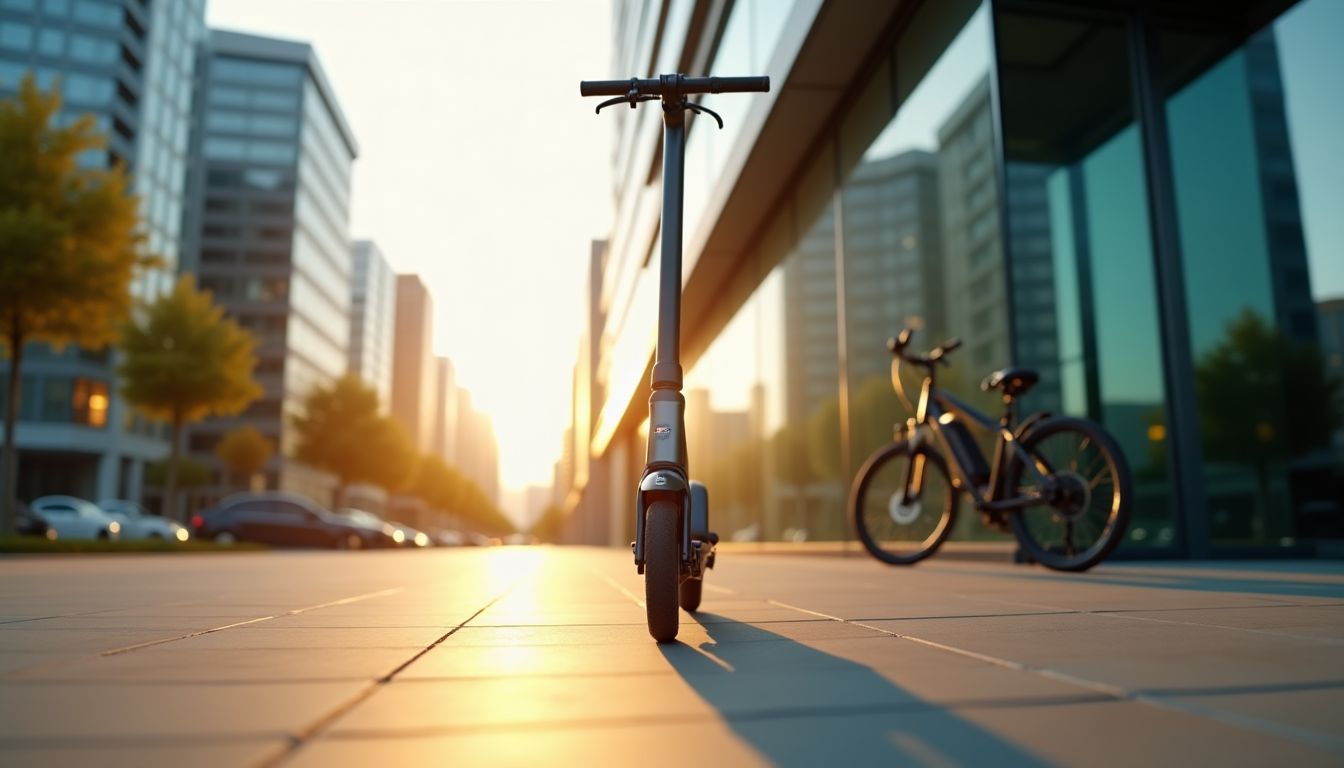
Cargo e-bikes are rapidly changing perceptions of urban logistics and private transportation. This is no longer just a niche vehicle for couriers, but a practical solution for small businesses, families with children, and anyone who regularly transports bulky items. Thanks to the electric drive, even a loaded electric cargo bike for goods covers significant distances without excessive physical effort. The ComfortShop editorial team has analyzed the key characteristics of this class of transport to help you navigate the solutions available on the market.
Article Contents
Why choose an electric cargo bike for transportation

The main advantage of a cargo electric bicycle is the combination of the capacity of a small van with the maneuverability and economy of a two-wheeled vehicle. You don't need a license, insurance, or fuel costs, and parking is possible almost anywhere. For entrepreneurs, this means faster delivery in traffic jams and a lower cost per kilometer traveled.
The electric motor eliminates the main drawback of a classic cargo bicycle — heavy starts and difficult uphill riding with a full load. Modern models are equipped with motors ranging from 250 W to over 1000 W, allowing comfortable transport of 80–150 kg of payload. That is why the electric cargo bike for transportation is increasingly appearing in the fleets of delivery services.
Based on an analysis of the characteristics, the ComfortShop editorial team notes: the optimal choice for the city is models with a mid-drive motor or a rear hub motor. They provide a better weight balance and stability when braking with a load.
Types of cargo electric bicycles
The market offers several main configurations, each with its own strengths. The choice depends on the type of cargo, routes, and the rider's personal preferences.
Two-wheeled longtails
Extended bicycles with a reinforced frame and rear rack. They are maneuverable, fit through narrow doorways, and retain the feel of riding a regular bicycle. Ideal for transporting boxes, tools, or one or two children in special seats.
Front-loaders (bakfiets)
The classic "Dutch" design with a cargo platform or box in the front. The rider always sees the cargo, which is convenient for fragile items. These models are somewhat longer and require getting used to in turns, but they provide the largest useful volume among two-wheeled solutions.
Electric tricycles for cargo transportation
The three-wheeled design guarantees maximum stability even when fully loaded. The rider does not need to balance, which is especially important during frequent stops in the city. The electric tricycle for cargo transportation is a common choice for delivering water, groceries, or mail over short distances.
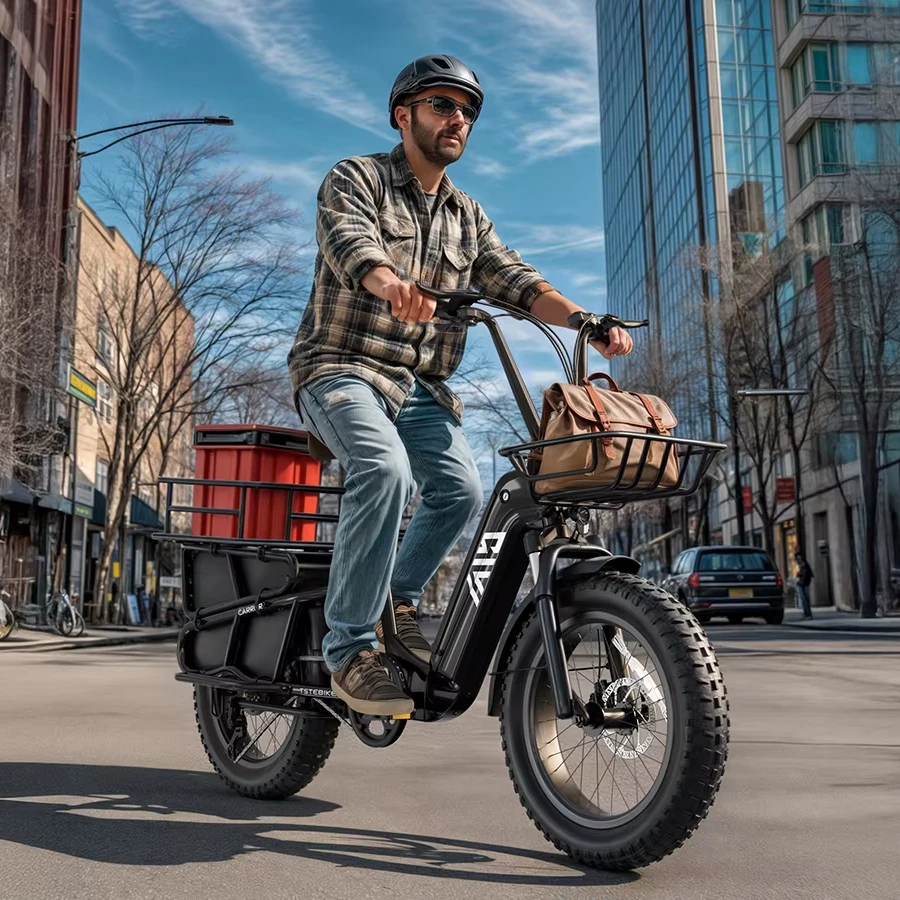

Separately, it is worth mentioning models with a box body that protect the contents from rain and dust. They bring the functionality of an electric bicycle closer to a mini-van while remaining significantly more affordable to maintain.
Key characteristics when choosing
To buy a cargo electric bicycle consciously, it is worth paying attention to several technical parameters that directly affect performance and durability.
- Payload capacity: the total weight that the frame and wheels can withstand. For business use, the safety margin should be at least 20–30% above the planned load.
- Battery capacity: measured in watt-hours (Wh). For daily routes of 30–50 km with cargo, it is advisable to choose a battery from 600 Wh.
- Motor type: a hub motor is cheaper and simpler, while a mid-drive motor is more efficient on hills and provides more natural pedaling.
- Braking system: hydraulic disc brakes are mandatory for models with high payload capacity.
- Tire type: reinforced or tubeless tires reduce the risk of punctures under load.
Range is a critical factor for commercial use.

Manufacturers usually state the range for ideal conditions: flat roads, minimal load, and medium assistance level. The real figure with a full load can be 30–40% lower. Therefore, when planning routes, it is worth relying on a pessimistic scenario.
Also, pay attention to the possibility of quickly removing the battery. This allows you to charge it in the office or apartment without lifting the entire bicycle, and at the same time reduces the risk of theft when parking outdoors.
Advantages of an electric cargo bicycle for business
For entrepreneurs, switching to electric cargo transport is primarily about savings. The absence of fuel costs, cheap maintenance, and minimal depreciation make the electric cargo bicycle one of the most cost-effective means of delivery over short and medium distances.
An additional plus is the predictability of delivery time. An electric bicycle does not get stuck in traffic jams, can travel on bike lanes and pedestrian zones (where permitted), and can park directly at the client's entrance. This reduces the time per order and increases recipient satisfaction.
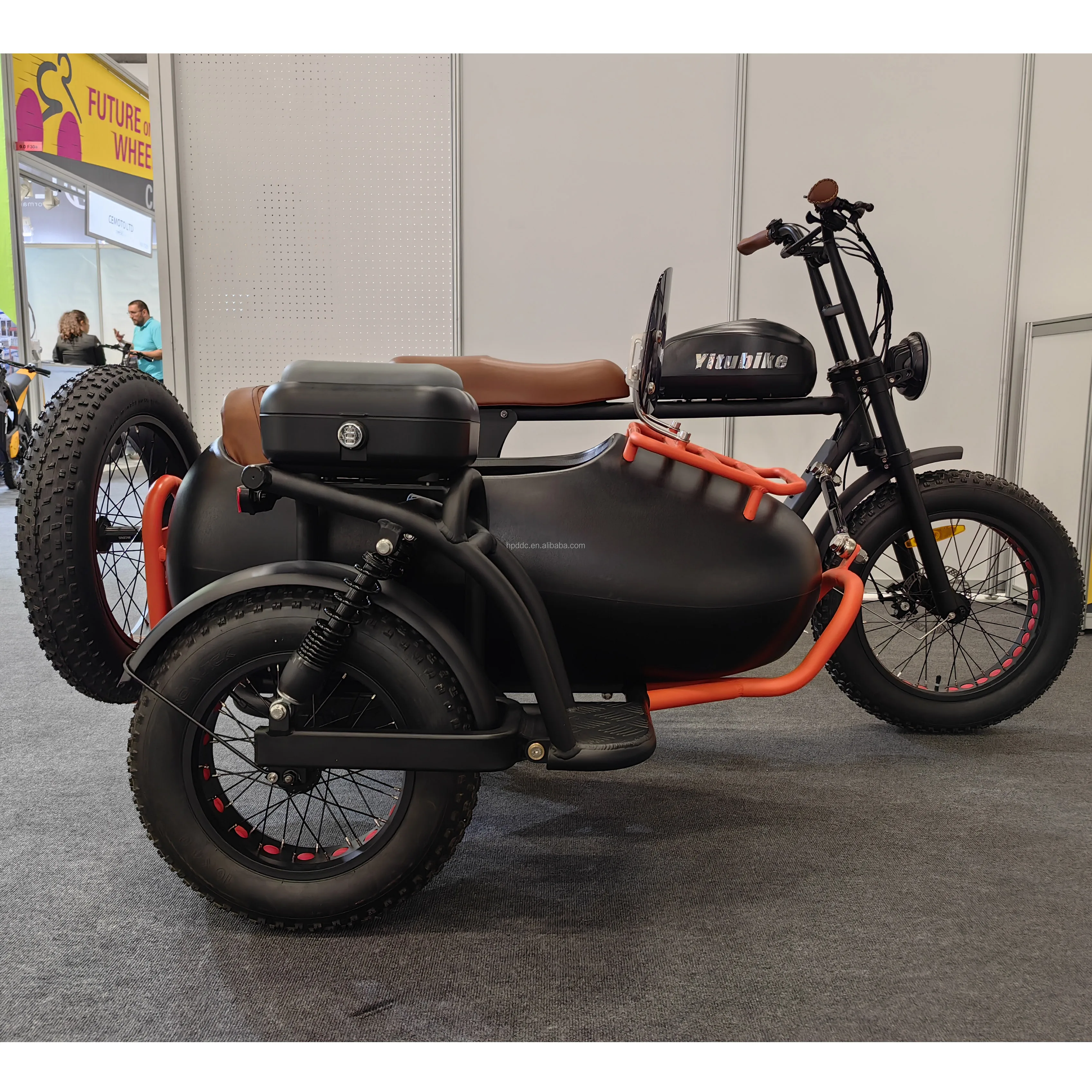
After analyzing open sources, the ComfortShop editorial team recommends considering commercial models with reinforced wheels, double kickstands, and the ability to install a branded box. Such solutions pay off faster with active daily use.
What to pay attention to before purchasing
Before finally deciding on a model, it is worth assessing the operating conditions and infrastructure. Do you have space to store a long bicycle? Are there enough charging stations along the route? Is protection from precipitation needed for the cargo?
A test ride before purchasing is a mandatory step.
If possible, be sure to test the bicycle with a load close to your real one. Pay attention to the ease of handling at low speeds, the motor's operation when starting uphill, and the effectiveness of the brakes. These are the aspects that most often cause discomfort in daily use.
Also, check the availability of service centers and spare parts for the chosen model in your region. A cargo electric bicycle is a working tool, and its downtime should be minimal. Before placing an order, clarify the warranty terms, delivery times, and return policy with the seller.
Висновок:
Cargo e-bikes are a practical, economical, and environmentally friendly solution for transporting goods in urban conditions. They successfully replace a car for a wide range of tasks: from courier delivery to family trips. When choosing between a longtail, a front-loader, or a tricycle, focus on the type of cargo, route distances, and available storage space. According to the recommendation of the ComfortShop editorial team, before making a final decision, it is worth comparing several models in terms of payload capacity and battery capacity, and checking the current price and availability on the seller's website.
Frequently Asked Questions
What is the payload capacity of an electric cargo bike for goods?
Depending on the model and frame type, a cargo electric bicycle is usually designed to carry from 100 to 200 kg of payload, not including the rider's weight.
How does an electric tricycle for cargo transportation differ from a two-wheeled cargo bike?
The main difference is stability: an electric cargo tricycle does not require maintaining balance during stops, which is convenient for delivering heavy or bulky boxes, while two-wheeled models are more maneuverable in traffic.
What is the range of a cargo electric bicycle with a full load?
With a full load, the range is reduced by 30-50% and averages 40-70 km on a single charge, depending on battery capacity and terrain.
Is a license required to operate an electric cargo bicycle?
If the electric motor has a power of up to 250 W and only assists up to a speed of 25 km/h, such a vehicle is considered a bicycle and does not require a license or registration, but before purchasing, it is worth checking the current rules on the seller's website.