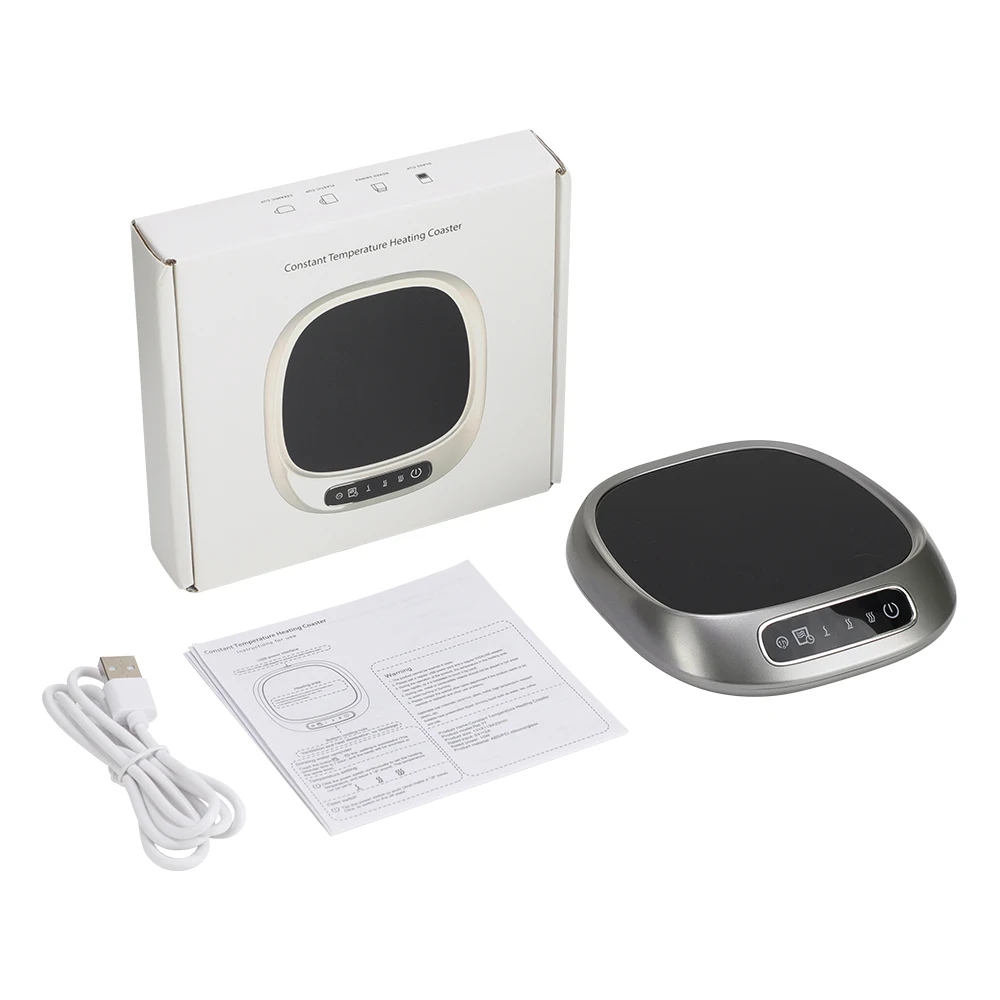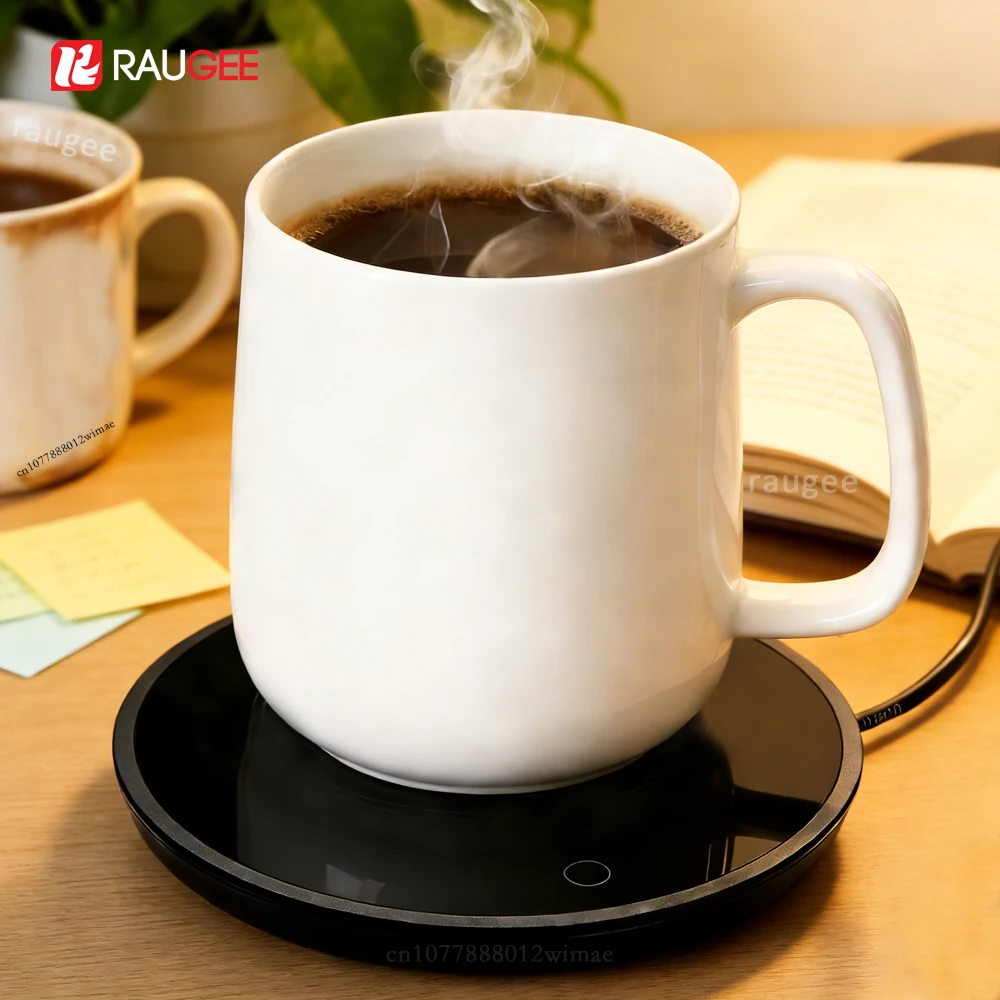
With the arrival of cold weather, everyone seeks comfort and warmth, and a cup of hot tea or coffee becomes a true lifesaver. But what to do when the drink cools down quickly, especially while working at the computer or watching a movie? A compact gadget comes to the rescue – a USB mug warmer. This is a small stand that connects to any USB port (laptop, power bank, wall charger) and maintains the temperature of your drink. However, a logical question arises: how safe is it to leave a heating device turned on next to you on the table? We conducted a test drive of a popular USB Cup Warmer model to understand the operating principle, efficiency, and, most importantly, the safety of using such a device at home.

? Table of Contents
Operating Principle and Design of the USB Warmer
A USB mug warmer, also called a thermopad or beverage warmer, is a device that converts low-voltage electrical energy (5V) into heat. Its operation is based on a nichrome coil or a flat thermoelement that heats up when current passes through. This heat is transferred to the bottom of the container through a ceramic or metal plate.
Modern models typically have a compact, often disc-shaped body with a non-slip base. The diameter of the working surface is usually 8-10 cm, which is ideal for standard cups and mugs. An important feature is that the USB warmer does not boil the liquid, but only compensates for heat loss, keeping the drink hot (approximately at 50-70°C). This is a key point for both comfort and safety.
Why USB is a Guarantee of Safe Operation?
The USB network provides power with a voltage of only 5 Volts. This is a safe voltage that does not pose a risk of electric shock even upon accidental contact with exposed contacts. The power of such devices is limited by the USB standard itself and rarely exceeds 5-10 W. For comparison, a regular electric kettle consumes 1500-2000 W. The low power of a USB cup warmer eliminates the risk of overheating and fire under normal operating conditions.
Test Drive: Efficiency and Heating Speed
For the practical test, we used a USB Cup Warmer model with an aluminum working surface. The test subject was a ceramic mug with a volume of 300 ml, initially filled with boiling water. The warmer was connected to a USB 3.0 port on a laptop. The goal was to find out how well the device performs its main task – preventing the drink from cooling down.
During the first 15-20 minutes, the water temperature dropped significantly slower than in the control mug without the warmer. After an hour of device operation, the drink in the test mug was pleasantly warm (about 55-60°C), while in the control mug it was barely warm (about 35-40°C). It is important to understand: the USB warmer is not designed to heat cold liquid to a hot state. Its strength lies in maintaining a set temperature. If you pour cold tea, it will only warm it slightly, but will not make it hot.
To achieve maximum efficiency, several rules should be followed:
- Use cups with thin walls and a flat bottom (ceramic, glass, thin steel).
- A thick-bottomed thermos mug will significantly reduce efficiency due to its thermal insulation.
- Try to fill the container at least 2/3 full to reduce the evaporation area.
Safety of Use: Key Aspects and Potential Risks
Safety is the most important criterion for any electrical appliance that operates near you. A USB mug warmer has a number of built-in advantages in this regard, but also requires some caution.
Built-in Protection Mechanisms and Their Effectiveness.
High-quality models are equipped with basic protection systems:
- Overheat protection: a thermal sensor automatically turns off the heating element when a critical temperature is reached (for example, if the device is turned on without a mug).
- Auto shut-off after a certain time: some warmers have a timer for 2-4 hours, which prevents a long continuous operating cycle.
- Short circuit and overload protection: the electronic board stabilizes the current.
However, the user must also follow safety rules: do not leave the device unattended near children, do not cover it with anything, avoid liquid getting on the body or working surface, and do not use it with a damaged cable. A weak USB port on a low-power power supply can also lead to unstable operation.
Energy Efficiency and Savings
One of the hidden advantages of a USB warmer is its energy consumption. A 5 W device operating for 8 hours will consume only 40 Wh of electricity. This is tens of times less than what an electric kettle would use to re-boil water each time the tea cools down.
Such savings are especially noticeable in offices or when working from home, where a person may drink hot beverages throughout the day. You not only save electricity but also time – there is no need to go to the kitchen every time to reheat a cup. Additionally, using a USB warmer helps avoid waste when you have to pour out unfinished coffee because it got cold.
Areas of Application: Not Just the Office
Although the most obvious place to use a USB warmer is the computer desk, its areas of application are much broader.
- Home office and gaming: an ideal solution for those who spend many hours in front of a monitor.
- Travel and car: when connected to a power bank or car USB port, you can always keep your coffee warm on the go.
- Sickbed: helps maintain the temperature of tea or herbal decoction, which is especially important.
- Creative use: some users apply the warmer for small scented candles in metal tins or to maintain temperature for small potted plants (bonsai, cacti) near a window in winter.
It is important to remember that the device is primarily intended for containers with liquid. Using it for other purposes requires caution and supervision.
What to Look for When Choosing a USB Warmer?
To ensure the purchase brings only satisfaction, several technical and practical nuances should be considered when choosing a model.
Criteria for Quality and Safety.
Material of the working surface: aluminum distributes heat faster and more evenly than plastic. Ceramic is also good but can be fragile. ? Another option