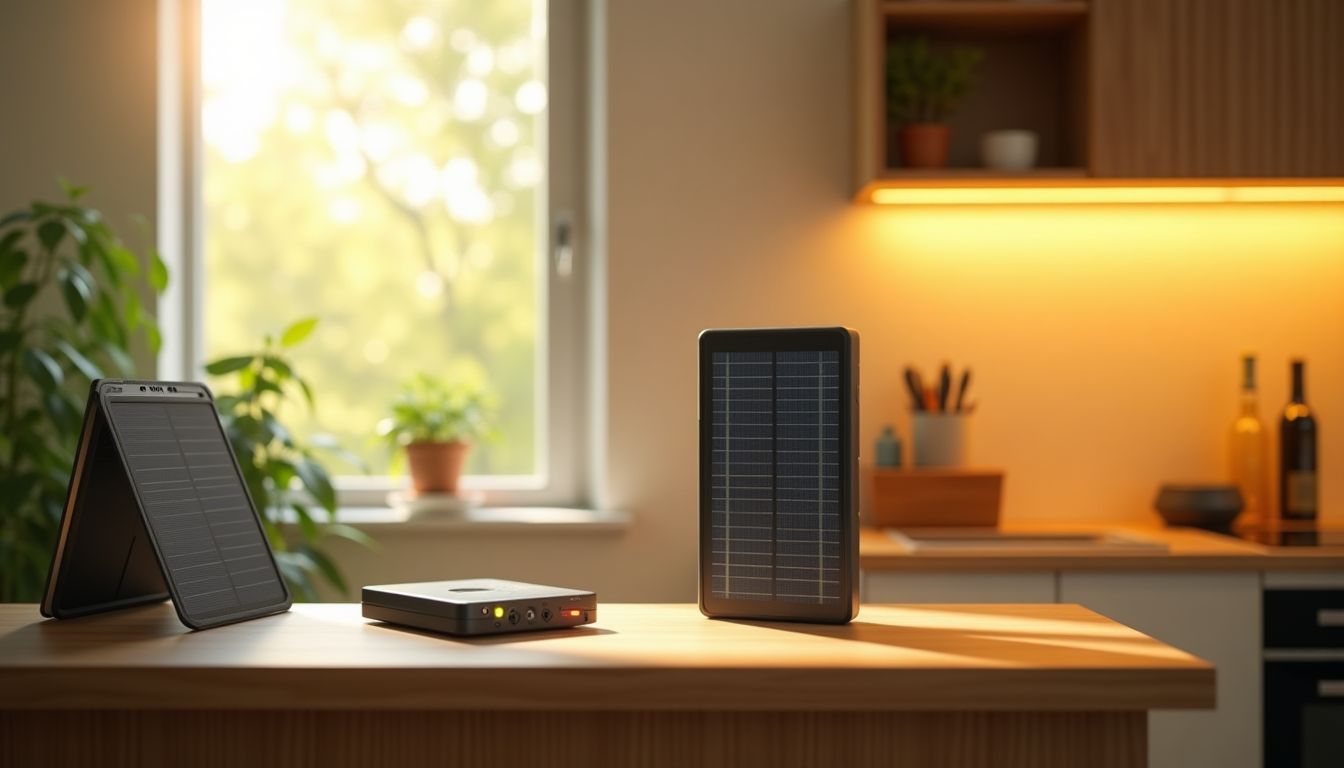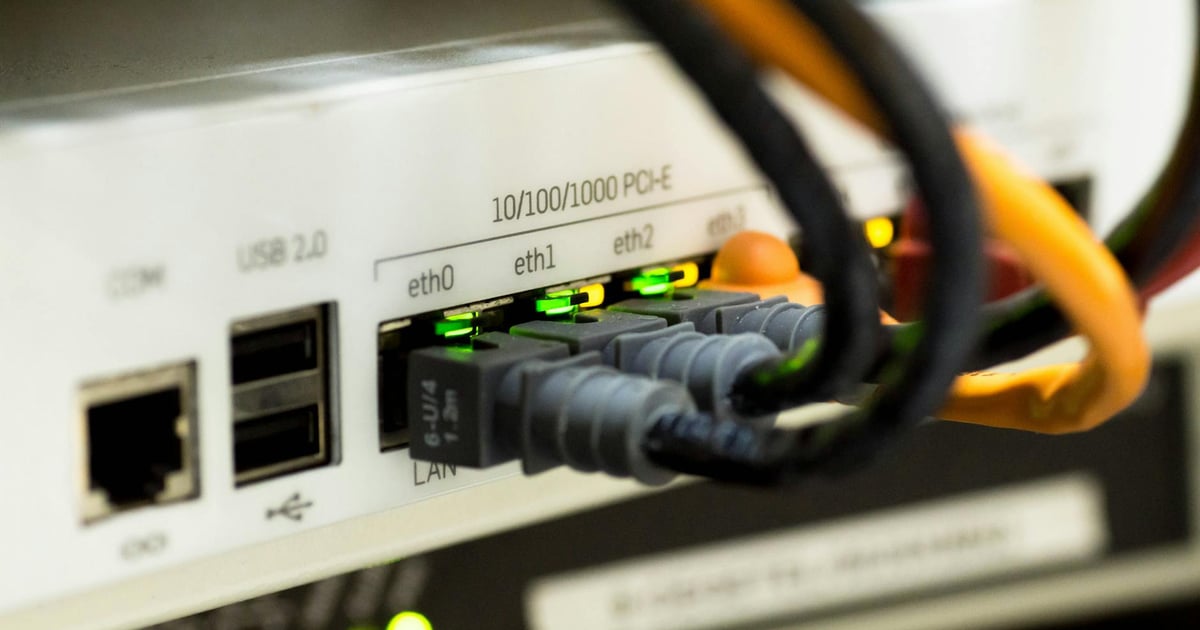
In conditions of unstable power supply, Ukrainians are increasingly thinking about making their homes autonomous. The most critical devices that require uninterrupted power are the gas boiler and the Wi-Fi router. A power outage stops the circulation pump and the boiler's automation, and without the internet, a modern home loses communication and control. That is why choosing the right charging station becomes not a whim, but an urgent necessity. As noted by ComfortShop reviewers, a universal solution for the home must simultaneously power both devices, as separate UPS units often cannot handle the load or have a small energy reserve. Let's figure out which parameters to consider when choosing a station so that your home remains warm and connected even during prolonged blackouts.
? Article Contents
- Why the boiler and router need a common power source
- Key selection parameters: power and capacity
- Output types: is a pure sine wave inverter needed
- Usage scenarios: from short outages to prolonged blackouts
- Practical tips for connection and energy saving
- Overview of popular models and their features
- Conclusion:
Why the boiler and router need a common power source
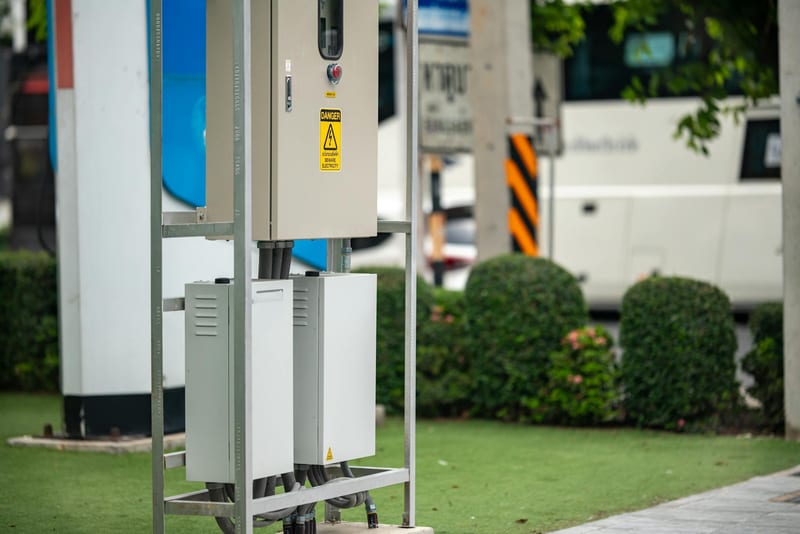
A modern gas boiler is complex electronics that control the operation of the pump, fan, and safety automation. Without voltage, the heating system stops, which can lead to frozen pipes in winter. At the same time, the router ensures the operation of smart thermostats, video surveillance systems, and, of course, network access.
Many homeowners mistakenly buy separate power sources: a low-power UPS for the router and an inverter for the boiler. However, this complicates management and increases costs. It is much more efficient to choose one charging station for the boiler and router, which has several 220V and USB outputs. This solution allows for centralized control of charging and charge level, as well as saving space. Experts advise paying attention to models with a pure sine wave, as the switching power supplies of routers and boiler turbines are sensitive to the voltage waveform.
Key selection parameters: power and capacity
The first thing to calculate is the total consumption of both devices. A typical gas boiler consumes 80 to 200 W (depending on the model and pump operating mode). A router with an optical terminal usually consumes 15–30 W. Thus, the minimum load is about 100–230 W.

To ensure autonomous operation for 4–6 hours, you will need a charging station with a capacity of at least 500–700 Wh. If you plan to survive a night blackout (8–10 hours), it is better to choose models with 1000–1500 Wh. It is important to remember that charging stations with lithium iron phosphate (LiFePO4) batteries have a longer cycle life and are safer than conventional lithium-ion ones. These are the solutions recommended for continuous use in backup power systems for gas boilers.
Output types: is a pure sine wave inverter needed
Most modern charging stations have an inverter that generates voltage. However, for powering a boiler, a pure sine wave is critically important. The fact is that the circulation pump has an electric motor, which overheats, hums, and may fail with a modified sine wave. The boiler's automation is also sensitive to voltage distortions.
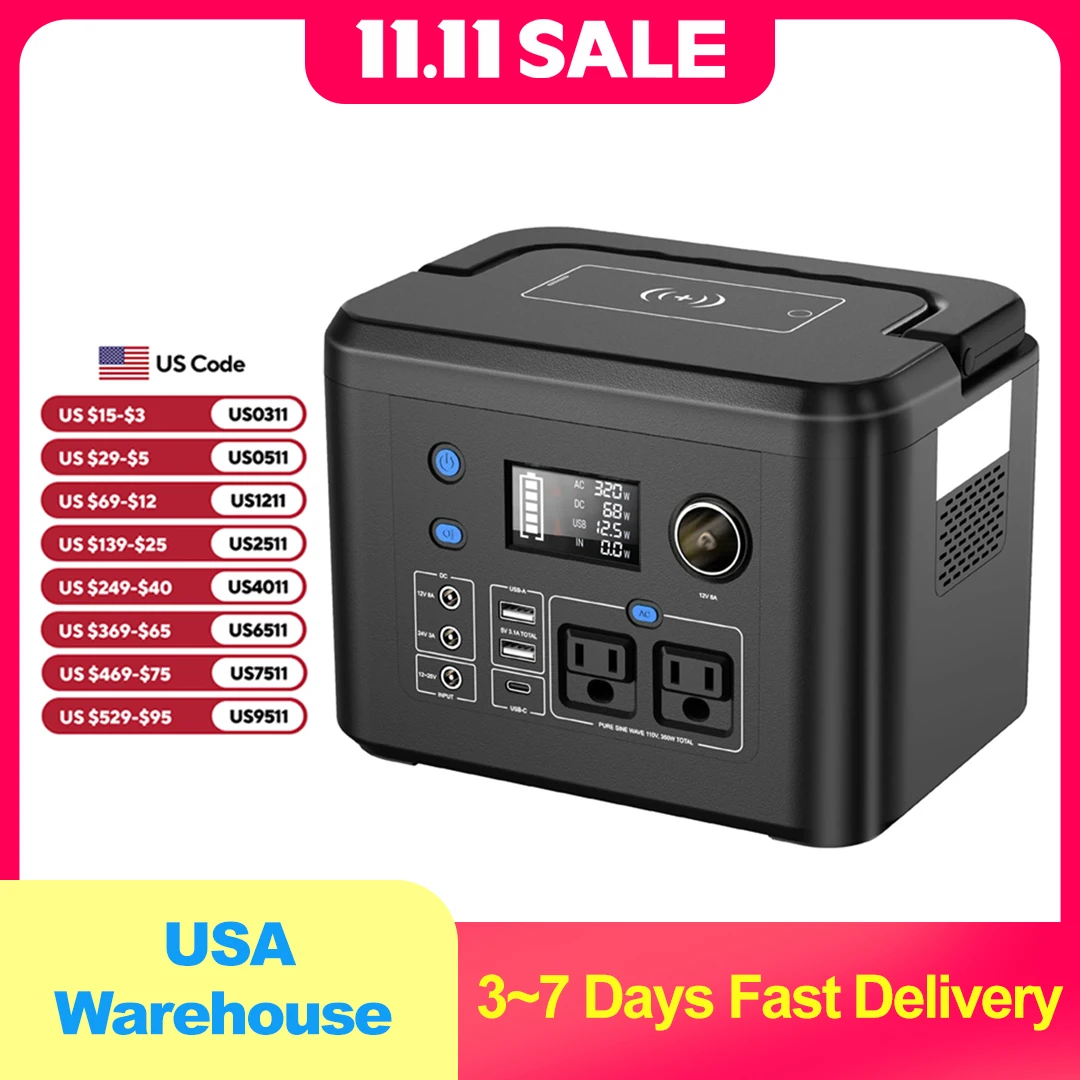
The router, on the contrary, is powered by an external power supply (12V or 9V), so the sine wave shape is not as critical for it. But if you plan to connect other devices (e.g., a refrigerator or TV) through the station, it is better to immediately choose a model with a pure sine wave. Some budget stations only have 12V DC outputs — they are suitable for a router but not for a boiler. Therefore, when choosing a power source for the internet, make sure the station has either a 220V port or an adjustable 12V output with sufficient current.
Usage scenarios: from short outages to prolonged blackouts
The choice of capacity depends on the duration of outages in your region. If the power is turned off for 2–3 hours, a station of 300–500 Wh is sufficient. For night outages (6–8 hours), a model of 1000 Wh is needed. And for a full day of autonomous power, you will have to consider stations of 2000+ Wh or combine them with solar panels.
A separate scenario is powering only the router. If your boiler is non-volatile (works without electricity), but you need the internet for work, a compact station of 150–300 Wh with USB outputs is enough. It will provide 10–15 hours of router operation. However, in most cases, it is worth having a universal device that can also handle the boiler. As ComfortShop experts note, the best strategy is to choose a station with a 30–40% power reserve to be able to connect additional equipment during a prolonged outage.
Practical tips for connection and energy saving
To maximize the autonomous operation time, it is worth following a few simple rules. First, set the boiler to the minimum coolant temperature during a power outage — this will reduce the load on the pump. Second, use a Wi-Fi router with an energy-saving function or disconnect unnecessary devices from the network.
Third, charge the station at night using a reduced tariff if possible. Many modern models support fast charging (up to 500 W), allowing you to fully charge the station in 2–3 hours. It is also worth considering purchasing a 100–200 W solar panel — this will ensure complete autonomy on sunny days. Remember that proper home energy saving starts with analyzing the consumption of each appliance.
Overview of popular models and their features
There are many charging stations on the market suitable for powering a boiler and router. Models with 500–700 Wh (e.g., EcoFlow River 2 Pro or Bluetti EB55) are ideal for apartments with short outages. They are compact, have a pure sine wave, and multiple USB ports.
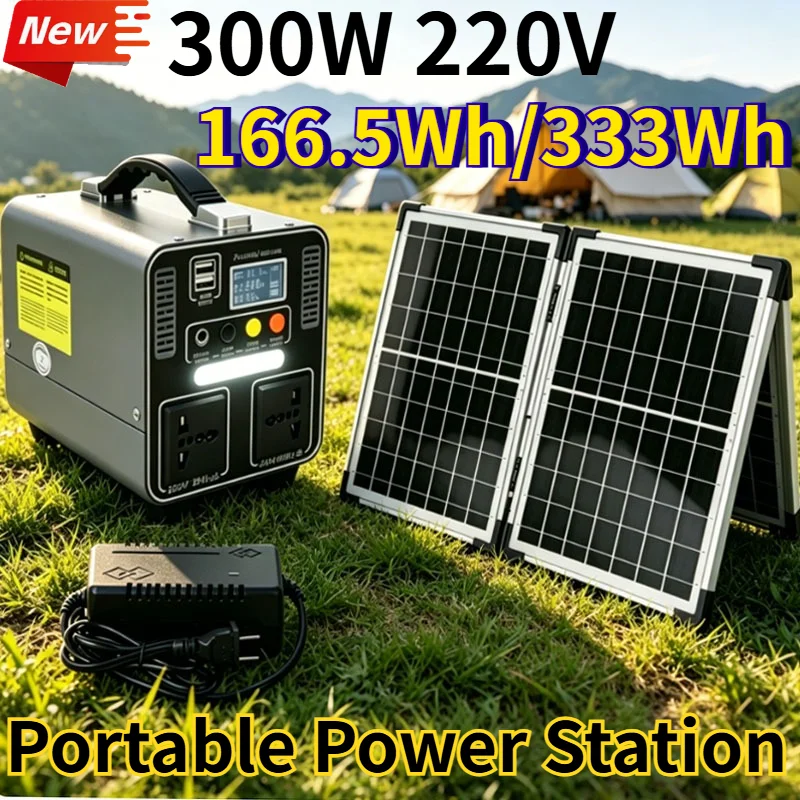
For homes requiring greater autonomy, it is worth considering stations with 1000–1500 Wh, such as the Bluetti AC200P or EcoFlow Delta 2. They can power a boiler, router, and even a small refrigerator overnight. It is important to pay attention to the inverter's maximum output power — it should be at least 1000 W to withstand the pump's starting currents. The ComfortShop catalog features proven models that meet these requirements and come with a manufacturer's warranty.
Conclusion:
Choosing a charging station for simultaneously powering a boiler and a router is an investment in the comfort and safety of your home. The optimal solution would be a model with a pure sine wave, a capacity of at least 500 Wh for short outages or at least 1000 Wh for prolonged blackouts. Be sure to consider the total power of the devices and the availability of necessary outputs (220V and USB). ComfortShop experts recommend choosing stations with LiFePO4 batteries — they are safer and have a lifespan of over 3000 cycles. This way, you will ensure uninterrupted power for your boiler and internet, even when the power goes out for a long time.
Frequently Asked Questions
What power should a charging station have for simultaneous operation of a boiler and router?
For stable operation of a gas boiler (150-300 W) and a router (10-20 W), choose a station with a power of at least 500-600 W to withstand the starting currents of the equipment and provide a reserve for uninterrupted power supply.
Is a regular UPS suitable for a boiler instead of a charging station?
A regular UPS often lacks the pure sine wave required for the sensitive automation of a gas boiler, so it is better to use a specialized charging station with a pure sine wave inverter for safe backup power.
How long can a charging station power a boiler and router during a power outage?
With a battery capacity of 500-1000 Wh, the station will provide autonomous power for heating and the internet for 4-8 hours, depending on your boiler's energy consumption and home energy saving settings.
Can a charging station for a boiler be used outdoors or in an unheated room?
Most household stations operate at temperatures from 0°C to +40°C, so for installation in a cold room, choose a model with frost protection or place it in a heated area to avoid battery capacity loss.