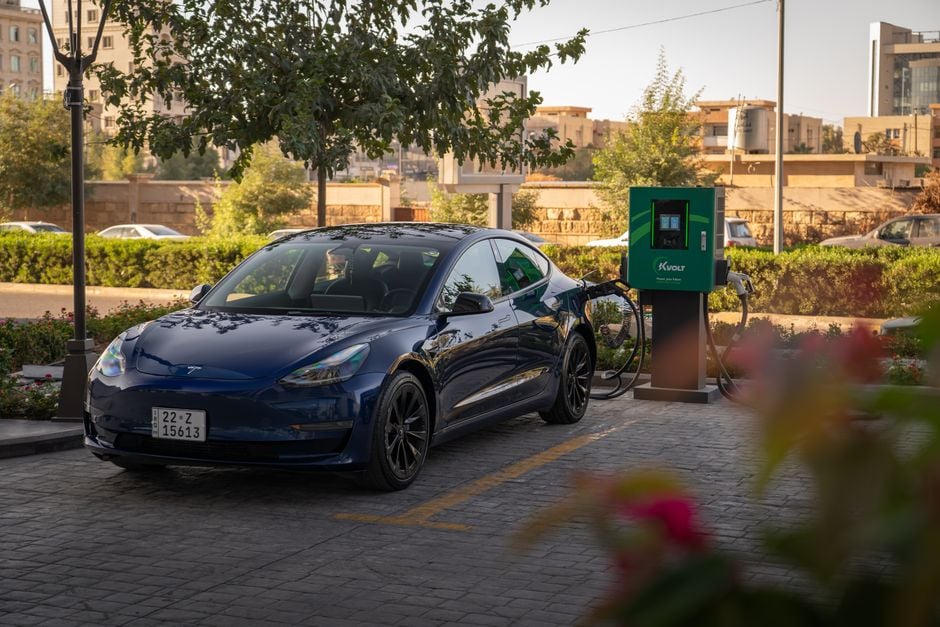
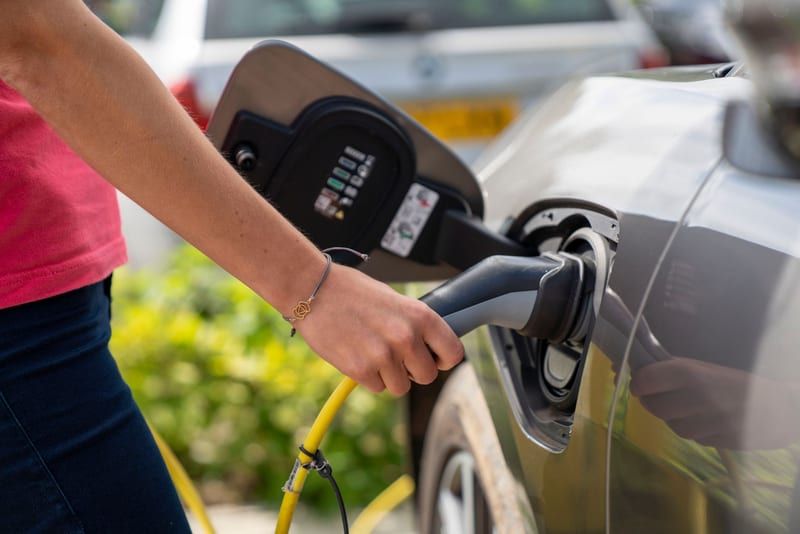
With the growing popularity of electric cars and other e-transport, the issue of convenient and fast charging is becoming key for every owner. The most comfortable solution is installing your own home charging station for an electric car, allowing you to forget about queues at public terminals. This is not just a whim, but a necessity that significantly saves time and makes operating eco-friendly transport as efficient as possible. According to the recommendation of the ComfortShop editorial team, before diving into the world of cables and connectors, it is worth clearly defining your own needs and the technical capabilities of your home.
Article Contents
Levels of Charging Stations: From a Household Socket to a Wallbox
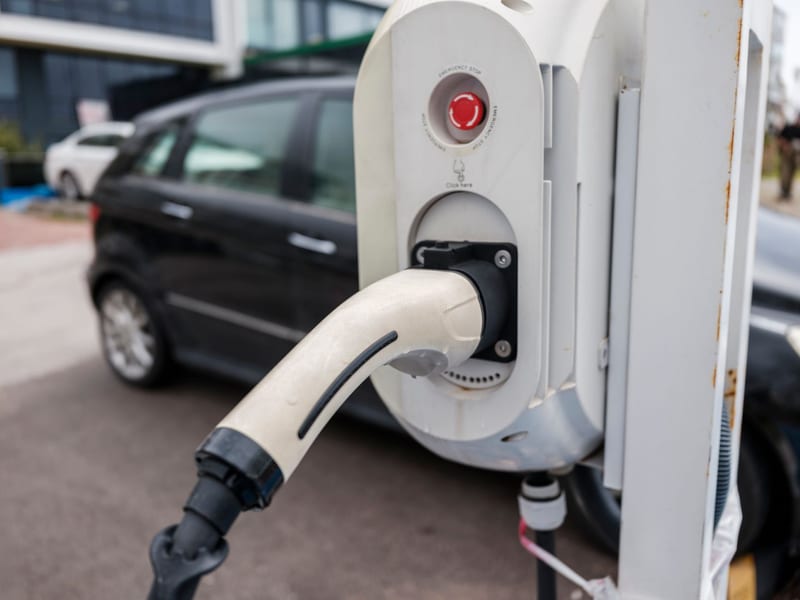
Before choosing a specific model, it is necessary to understand the basic classification of home charging stations for electric transport. Not only the battery charging speed depends on this, but also the requirements for your home's electrical network. Technologies do not stand still, and the modern market offers solutions for any budget.
The simplest, but slowest method is using a regular household socket (Level 1). This method involves charging with alternating current (AC) with a power of up to 2-3 kW, which can stretch the process of fully restoring the battery to 20-40 hours. For hybrids with a small battery, this is still acceptable, but for a full-fledged electric car, it is extremely impractical.
The optimal choice for a private house or parking lot is Level 2 stations. These are specialized devices that require connection to a single-phase (7.4 kW) or three-phase (11 kW or 22 kW) network. These devices are most often called Wallboxes, and they provide a full charging cycle in 4-10 hours, which is ideal for a nighttime usage scenario.
Connection Types and Power: The Basis of the Right Choice
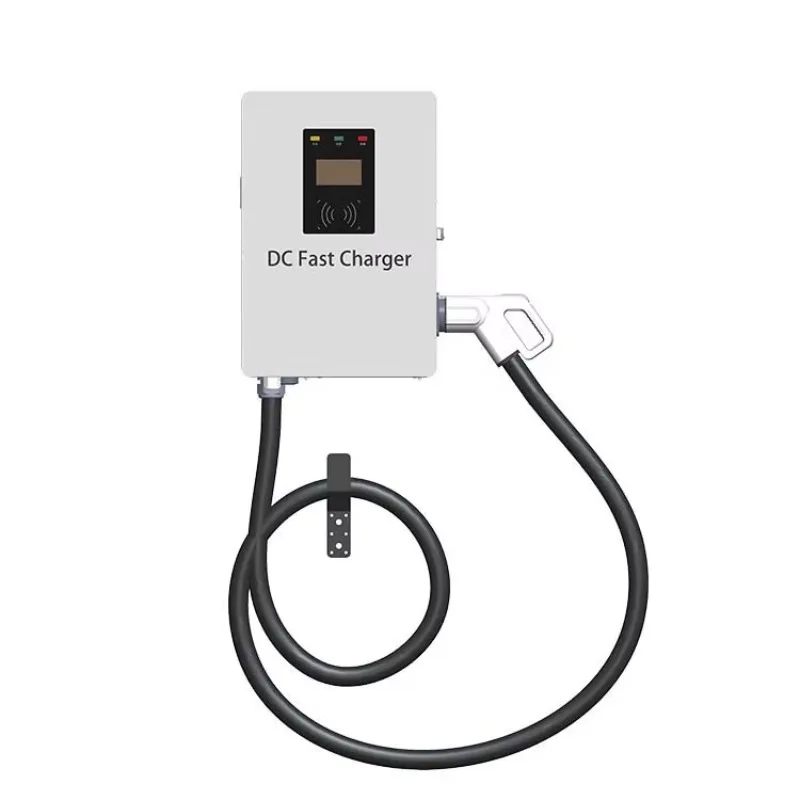
When considering specific types of charging stations for home, it is worth paying attention to the type of current and the phasing of the network. Most home stations operate on alternating current (AC), since the rectifier is already built into the car itself. High-speed DC stations, which charge the battery in 30-40 minutes, are usually not used for home due to their extremely high cost and complexity of connection.
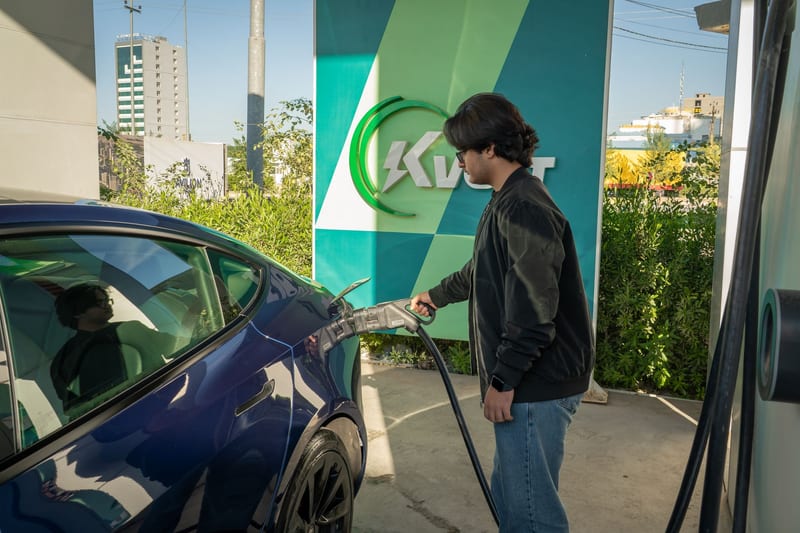
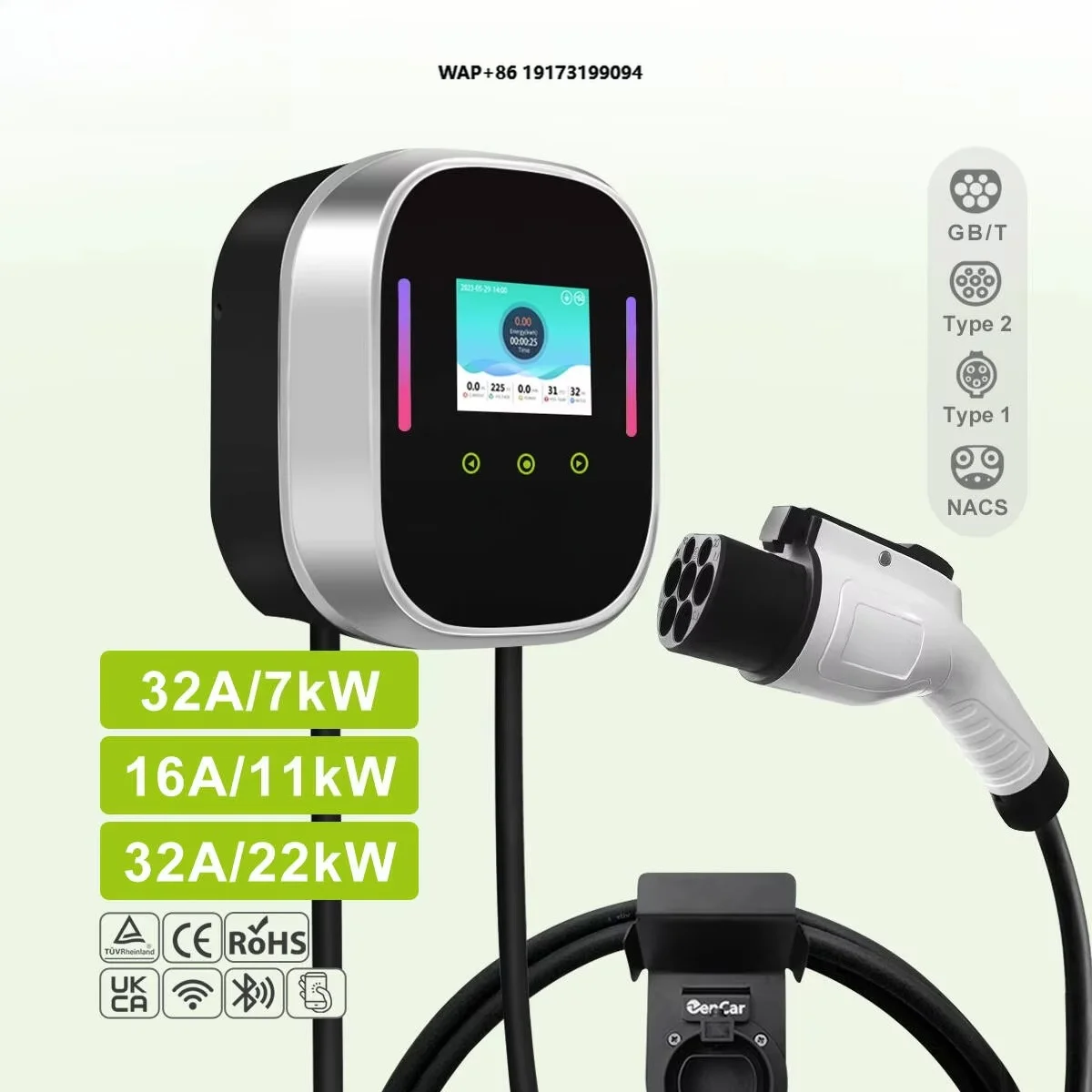
The key parameter is power. For an apartment or house with a limited allocated power limit (up to 5-7 kW), it is worth looking at 3.7 kW stations or adjustable models with a dynamic load balancing function. If you have a three-phase 380V network, ComfortShop experts advise choosing 11 kW models — this is a future-oriented solution that fully covers the needs of most modern electric cars.
Equally important is the type of connector. In Europe, the de facto standard has become Type 2 (Mennekes). Most modern electric vehicles are equipped with exactly this port, so buying a station with a built-in Type 2 cable or a corresponding socket will be the most versatile option.
"Smart Home" Functionality: More Than Just a Cable
A modern home charging station for electric transport is a high-tech gadget capable of significantly saving your money. Intelligent features turn charging from a chaotic process into a well-thought-out energy management system.
Dynamic Load Balancing.
This is a critically important function for safety. The station analyzes the energy consumption in the house in real-time (washing machine, boiler, oven) and automatically reduces the charging power to prevent the main circuit breaker from tripping. This allows you to avoid an expensive increase in allocated power.
Scheduling charging by schedule is also useful. Many electricity suppliers offer a night tariff, which is significantly cheaper than the day tariff. Thanks to a mobile app and a Wi-Fi/Bluetooth module, you can set the charging start exactly at 11:00 PM, making the cost of 100 km of travel symbolic. As ComfortShop reviewers note, the presence of leakage current protection (type A or B) built into the station is a mandatory safety requirement that allows you to do without bulky additional devices in the panel.
Nuances of Choosing a Cable and Portable Stations
It is not always possible to install a stationary wall-mounted device, especially in rented housing or at a summer cottage. In such a case, portable charging stations, often called a "charging cable with a control unit," come to the rescue.
These are mobile devices that can be carried in the trunk and connected to regular or industrial sockets. They are compact, often have interchangeable adapters and a display to show status. However, their power is usually limited to 3.5-7 kW, and they do not have the extensive "smart home" functionality of stationary Wallboxes.
When choosing, pay attention to the cable length. The standard 5 meters are not always convenient if the parking space layout is non-standard. It is better to immediately consider models with a 7-10 meter cable to avoid using dangerous extension cords. Also, make sure the cable has a high-quality rubber sheath resistant to temperature changes and mechanical damage.
Installation and Safety: What You Cannot Skimp On
Even the best home charging station for an electric car can become a source of danger if installed incorrectly. This is powerful electrical equipment that operates under high load for hours, so the requirements for wiring are the strictest.
For stations with a power of 7 kW and above, ordinary copper wiring of 2.5 mm² is categorically unsuitable. It is necessary to lay a separate line from the panel with a cable cross-section of at least 6 mm² (for single-phase) and 5x4 mm² or 5x6 mm² (for three-phase). The presence of a separate RCD and circuit breaker of the appropriate rating is mandatory.
Installation should be entrusted exclusively to certified electricians who have experience working specifically with electric vehicles. They will check the quality of grounding and contact tightening, because poor contact at currents of 32A quickly leads to melting of insulation and fire. Remember that saving on installation can cost much more than the station itself.
Conclusion:
A properly selected home charging station for electric transport radically changes the experience of owning an electric car, making it as familiar as charging a smartphone. Before purchasing, be sure to assess the capabilities of your electrical network and your car usage scenarios. ComfortShop experts advise not to chase excessive power, but to focus on safety and the availability of dynamic balancing functions. Make a choice in favor of high-quality branded stations with a warranty, and your eco-friendly transport will always be ready for a trip.
Frequently Asked Questions
What is the optimal power for a home charging station?
For most electric vehicles, a station with a power of 7.4 kW (single-phase) or 11 kW (three-phase) is optimal, allowing you to fully charge the battery overnight.
Can I install a charging station for an electric car in the garage myself?
No, the installation of a home charging station should only be performed by a qualified electrician in compliance with electrical installation regulations, as it requires laying a separate line and installing a circuit breaker.
What types of home charging stations exist by connection type?
The main types are: portable (connected to a regular socket) and stationary (wall-mounted Wallboxes), which provide higher charging speed and have additional protection functions.
How to choose a charging station for e-transport if I have different electric vehicles?
Choose a station with a universal Type 2 (Mennekes) connector, which is suitable for all modern electric vehicles and hybrids sold in Ukraine.