Child safety in a car is the most important task for every parent, one that allows no compromises. A properly selected child car seat can save a life in the slightest emergency, so its choice must be approached with maximum responsibility. The variety of models on the market can be confusing, but there are clear criteria to help make the right choice. That is why we have prepared a detailed overview of the key aspects to consider before purchasing.
? Table of Contents
Why Choosing the Right Car Seat is Important
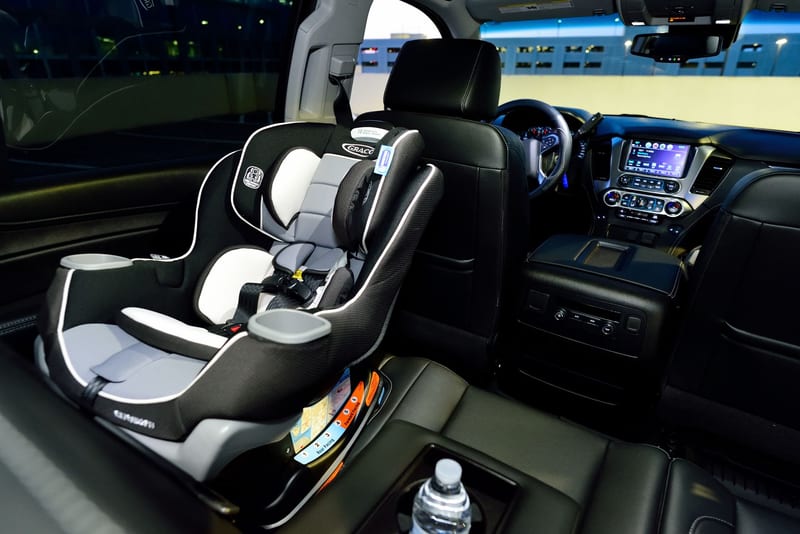
Many parents mistakenly believe that standard car seat belts provide sufficient protection for a child. In reality, standard belts are designed for an adult at least 150 cm tall, so for children they are not only ineffective but also dangerous. During sudden braking or a collision, a child can easily slip out from under the belt or sustain serious internal injuries.
How to choose a child car seat that will truly protect? The main rule is that it must match the weight, height, and age of the little passenger. Specialists at ComfortShop emphasize that even the best old-model seat will not provide adequate protection if it does not fit the child in size. That is why manufacturers develop separate groups for different stages of growth.
Furthermore, a properly installed car seat reduces the risk of injury to the spine and neck, which are particularly vulnerable in children. Therefore, saving on safety or buying a seat "for growth" are the most common mistakes that can have tragic consequences.
Classification of Car Seats by Weight and Age
To understand how to choose a car seat for a child, you need to understand the main groups. All car seats are classified not by age, but by the child's weight, as this indicator is decisive for safety. There are several main categories that cover the entire growth period.
- Group 0+ (0-13 kg, from birth to 1-1.5 years). These are infant carriers that are installed exclusively rear-facing. This position is the only safe one for infants, as it relieves stress on the cervical vertebrae.
- Group 1 (9-18 kg, approximately 1 to 4 years). Seats are installed forward-facing, have internal five-point harnesses and a safety table to secure the child.
- Group 2-3 (15-36 kg, from 3 to 12 years). These are so-called boosters or seats without internal harnesses. The child is secured with the standard seat belt, and the seat ensures the correct positioning of the belt on the body.
- Universal groups (1-2-3, 9-36 kg). Transformers that "grow" with the child. They are a popular solution but often lag behind specialized models in safety.
A review of child car seats shows that the best choice for newborns is a separate Group 0+ carrier, rather than universal models. They provide an anatomically correct body position and maximum protection.
Safety Criteria: What to Look For
Child safety in a car begins with product certification. Modern car seats must comply with the European standard ECE R44/04 or the newer R129 (i-Size). The latter requires side impact protection and mandatory rear-facing travel for the child up to 15 months.

When choosing the best child car seats, you should pay attention to the presence of the IsoFix mounting system. This is a rigid connection of the seat to the car body, which eliminates installation errors and significantly increases the reliability of fixation. An additional advantage is the presence of a Top Tether anchor strap or a support leg.
Reviewers at ComfortShop also recommend checking for reinforced side head and shoulder protection. Side impacts are among the most dangerous, and a quality seat should have special inserts made of energy-absorbing material (e.g., high-density polystyrene). Do not neglect the cover material either — it should be hypoallergenic, breathable, and removable for washing.
How to Properly Install a Car Seat
Even the most expensive child car seat choice will be useless if it is installed incorrectly. Statistics show that up to 70% of parents make mistakes during installation. The safest place for installation is considered the middle rear seat, as it is the furthest from potential impact points.

If you are using the IsoFix system, make sure the mounts click into place with a characteristic sound. For groups 0+ and 1, it is important to check the tension of the internal harnesses — no more than one finger should fit between the strap and the child's body. The strap should not be twisted or pressing.
A car seat appropriate for the child's age also requires the correct recline angle. For infants, the recline angle should be 30-45 degrees to prevent the head from falling forward and obstructing breathing. Most modern models have installation indicators that help avoid errors.
Overview of Popular Types and Materials
The modern market offers many options, and to make the right choice, it is worth knowing the features of different designs. The seat frame can be plastic or metal. A metal frame is heavier but provides better strength, while high-quality plastic with reinforced inserts can also withstand serious loads.
- Fabric covers. It is best to choose models made of cotton or mesh materials that provide ventilation. Leather covers are less hygienic as the child sweats in them.
- Foam inserts. They are used for impact absorption. It is important that the foam is dense and does not crumble.
- Swivel mechanisms. Some Group 0+/1 models have a 360-degree rotation function, which greatly facilitates getting the child in and out.
As reviewers at ComfortShop note, when choosing, you should pay attention to the availability of additional accessories: a newborn insert, a sun visor, and an organizer for small items. They make use more comfortable, although they do not affect basic safety.
Tips for Use and Care
To ensure your child car seat choice lasts long and safely, it is important to follow the rules of use. Firstly, a car seat has a limited shelf life — usually 5-7 years from the date of manufacture. Plastic ages over time and loses its properties under the influence of ultraviolet light and temperature changes.
Secondly, it is strictly forbidden to buy used car seats if you are not sure of their history. Even a minor accident at low speed can create micro-cracks in the frame, which can later lead to failure. Also, do not use seats that have visible damage or have been in an accident.
Regularly check the condition of the straps and buckles, and clean the covers according to the instructions. Do not use harsh detergents that could damage the fabric or plastic. Remember that proper care extends the life of the product and guarantees the child's safety in the car.
Conclusion:
Choosing a car seat is an investment in your child's life and health, so you should not be guided solely by price or design. Focus on the child's weight and height, choose models with ECE R44/04 or R129 certification, and be sure to check for the IsoFix system. Specialists at ComfortShop advise not to neglect the installation rules and always use the seat according to the manufacturer's instructions. Remember: your child's safety begins with the right decision today.
Frequently Asked Questions
How to choose a car seat for a child by age and weight?
Choose a car seat according to the group that matches the child's weight and height: for infants (Group 0+, up to 13 kg), for toddlers (Group 1, 9–18 kg), or for older children (Group 2/3, 15–36 kg). Always check the markings on the seat to avoid mistakes.
Can I use a used car seat for a child?
It is better to avoid used car seats if you are not sure of their history: even minor hidden damage after an accident or improper storage can reduce the child's safety in the car. Choose a new seat from a trusted brand.
How to properly install a child car seat in a car?
The safest way is to install the car seat on the rear seat, using the Isofix system or the standard seat belt, and ensure it is tightly fixed without play. Always read the instructions for the specific model and check the recline angle for infants.
What are the best child car seats according to reviews?
Leaders in safety and convenience are often recognized as models from brands like Maxi-Cosi, Cybex, Britax Römer, and Joie, which receive high ratings in ADAC crash tests. Before purchasing, familiarize yourself with current reviews to choose a seat that suits your car and child.