Choosing the first ride for a child is a responsible step, because not only the enjoyment of riding but also safety depends on the design. Kids' scooter with wide wheels is increasingly becoming an object of attention for parents who are looking for a stable and easy-to-handle model for toddlers. Based on the analysis of open sources, specifications, and user reviews, the ComfortShop editorial team has prepared a detailed review of this type of scooter to help with the choice.
Table of contents
Why wide wheels are important for a kids' scooter

Wide wheels are not just a visual feature but an engineering solution that directly affects stability. The larger the contact area between the wheel and the surface, the harder it is for the scooter to tip over on uneven ground. For children aged 2–5 who do not yet have developed coordination, this factor often becomes decisive.
An additional advantage is traversability. A scooter with large wheels more easily overcomes cracks in asphalt, small pebbles, and joints in paving slabs. The child feels less vibration, which means a more comfortable ride and less leg fatigue.
It is worth noting that wide wheels are often made of polyurethane or rubber, which absorb shocks well. This reduces the load on the joints and makes riding smooth even on imperfect surfaces.
Key criteria for reviewing a kids' scooter
Before recommending specific models, it is important to determine what exactly to pay attention to. A kids' scooter review should cover several basic parameters that determine convenience and durability.
- Frame material: aluminum is lighter, steel is stronger but heavier.
- Wheel type: polyurethane, rubber, or inflatable; for wide models, cast polyurethane is more often used.
- Handlebar adjustment: the ability to change the height extends the service life.
- Folding mechanism: important for storage and transportation.
- Braking system: a rear foot brake is standard for kids' models.
Based on these criteria, the ComfortShop editorial team compared several popular configurations available on marketplaces. Particular attention was paid to models where the manufacturer does not cut corners on wheel width and frame rigidity.
Kids' scooter test: stability and handling
When analyzing how scooters behave on different surfaces, models with three or four wheels perform best. The kids' scooter test shows that two-wheel options with wide wheels also have a right to exist, but they are better suited for children aged 5 and up.

For the youngest riders, the optimal design is "two wheels in front + one in back." This construction allows the child to push off without fear of losing balance. Wide front wheels provide additional support when turning.

It is important to check how the handlebar tilt mechanism works. In quality models, turning is done not by the classic rotation of the handlebar but by tilting the column to the side — this is intuitive for toddlers and reduces the risk of sharp maneuvers.
Kids' scooter reviews: what parents say
Analyzing kids' scooter reviews, several recurring points can be identified. Parents most often praise models with wide wheels for confident riding on cobblestones and the absence of "shaking." They also note that children master riding faster on precisely such scooters.

Among the drawbacks, greater weight compared to narrow-wheel analogues is sometimes mentioned. This is logical: wide wheels and a reinforced deck add kilograms. However, for stationary use in a yard or park, this downside is not critical.
Users also advise paying attention to the presence of light elements in the wheels. For children, this is an additional incentive to ride, and for parents, it is better visibility at dusk.
Buying a kids' scooter: what to consider before ordering
If you have decided to buy a kids' scooter, do not rush with the first model that appears in your feed. Check whether the handlebar height matches the child's height. It is optimal when the handlebar is at waist level or slightly higher.
Be sure to clarify the maximum load. Most kids' models are designed for 30–50 kg, but there are reinforced versions up to 70 kg. If you plan for an older child to use the scooter as well, choose one with a strength margin.
The price on the seller's website may differ significantly depending on the season and promotions. ComfortShop recommends comparing offers from several marketplaces before going to the seller, because the cost and delivery terms are set by the trading platform itself.
The best kids' scooter: a generalized portrait
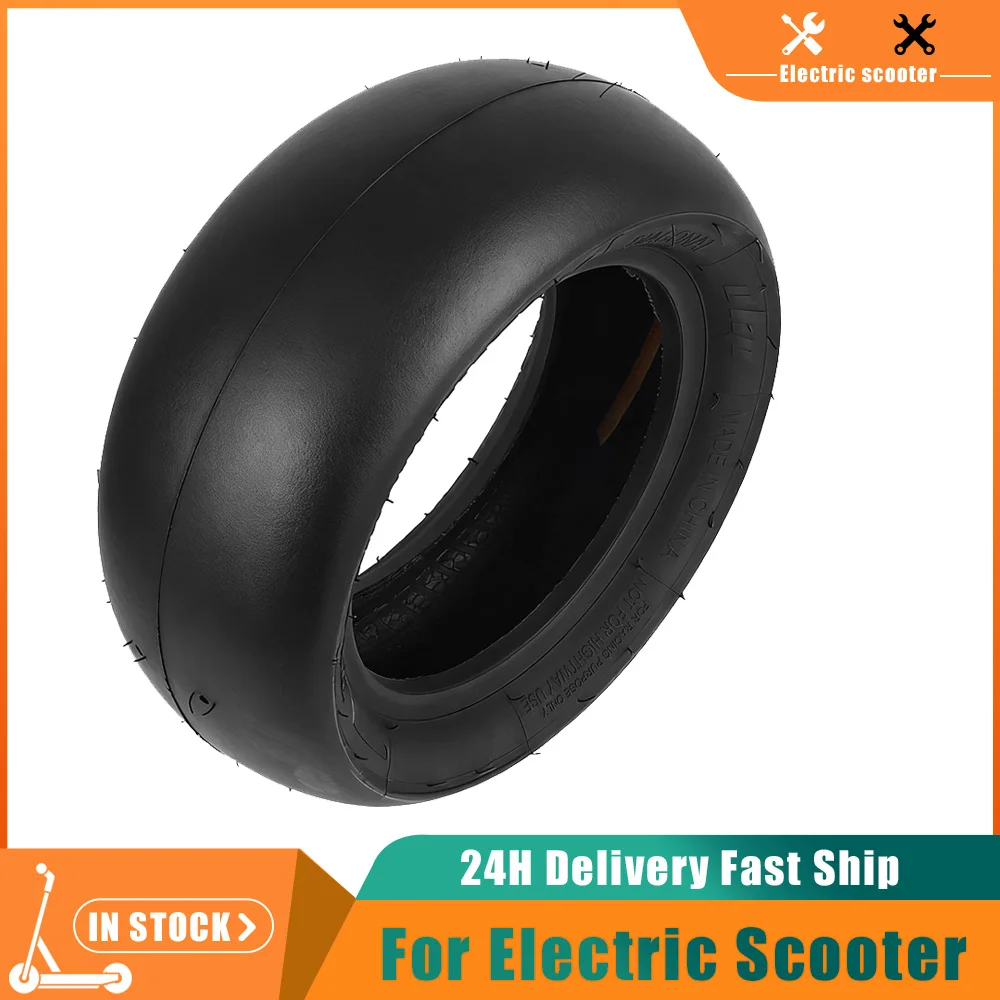
If we try to create a portrait of the best kids' scooter for ages 3–6, it would be a three-wheel model with wide polyurethane wheels 120–150 mm in diameter, an aluminum frame, an adjustable handlebar, and light inserts.
It is important that the deck has a non-slip coating. Rubber inserts or a textured pattern reduce the risk of the foot slipping while moving. The width of the deck also matters: on a wide platform, it is more convenient for a child to keep both feet.
According to the recommendation of the ComfortShop editorial team, for the first introduction to a scooter, it is better to choose models with a low-positioned platform. This reduces the load on the supporting leg and allows the toddler to push off easily without losing balance.
Conclusion:
A kids' scooter with wide wheels is a practical choice for parents who value stability, comfort, and safety. It is well suited for learning to ride on uneven surfaces and forgives a child's minor handling mistakes. After analyzing open sources, the ComfortShop editorial team recommends paying attention to three-wheel models with an adjustable handlebar and quality polyurethane wheels. Before ordering, be sure to check the current price and delivery terms on the seller's website.
Frequently asked questions
How is a kids' scooter with wide wheels better than a regular one?
Wide wheels distribute the load better and overcome unevenness, so such a scooter is more stable on cobblestones, tiles, and dirt paths. According to the results of our kids' scooter test, models with large wheels vibrate noticeably less and get stuck on small obstacles less often.
From what age is a scooter with large wheels suitable?
Most tested models are designed for children approximately 3 to 10 years old, but the exact limits are always indicated by the manufacturer in the specifications. Focus on the maximum load, handlebar height, and wheel size, not just age.
What should you pay attention to before buying a kids' scooter?
Check the diameter and material of the wheels, the presence of bearings, the brake, handlebar adjustment, and the maximum user weight. It is also worth reading kids' scooter reviews on the seller's page and comparing the price and delivery terms directly on the seller's or marketplace's website.
Which kids' scooter with wide wheels can be considered the best?
There is no universal leader: the best kids' scooter is the one that matches the child's height and weight and the type of surface where they will ride. In the kids' scooter review, we compared the specifications of several models, so choose based on the balance of quality, price, and customer reviews.