A peaceful baby's sleep is the key to the healthy development of the little one and, no less importantly, to proper rest for the parents. However, in the first months of life, anxiety for the child often prevents even nighttime relaxation. That is why modern devices that help monitor a newborn's condition during sleep are becoming increasingly popular. A baby sleep monitor with a breathing sensor is a technological solution that can reduce parental anxiety levels and provide timely warnings about potential danger. On the recommendation of the ComfortShop editorial team, before choosing such a device, it is worth understanding in detail the principles of its operation and quality criteria.
Article Contents
Why a breathing sensor for a baby is needed
Monitoring a newborn's breathing is one of the key aspects of sleep safety. In the first months of life, the baby's respiratory system is just developing, and any rhythm disturbances may go unnoticed without special equipment. A breathing sensor for a baby detects the slightest movements of the chest or abdomen associated with inhalations and exhalations and instantly reacts to their absence.
Modern models can even recognize shallow breathing, which cannot always be felt by hand. If the pause between breaths exceeds a set threshold — usually 15–20 seconds — the device emits a loud audible signal. This allows parents to react instantly, even if they are in another room. Some models additionally vibrate to try to stimulate the child to resume breathing before adults arrive.
It is important to understand: a breathing monitor is not a medical device and does not replace a pediatrician's consultation. Its main function is psychological support for parents and prompt notification of possible disturbances. For children with confirmed apnea or other respiratory pathologies, such devices may be part of comprehensive monitoring prescribed by a doctor.
How a smart baby breathing monitor works
The operating principle of most modern models is based on highly sensitive sensors that react to micro-movements of the mattress or the child's body. A smart baby breathing monitor usually consists of two main elements: a sensor panel placed under the mattress or attached to clothing, and a parent receiver unit. Some devices transmit data directly to a smartphone via a dedicated application.
The sensor panel under the mattress is the most common option. It does not come into direct contact with the child, which completely eliminates discomfort. The panel detects surface vibrations caused by breathing movements and transmits them to the base unit. If movements stop for a set period, an alarm is triggered. This format is convenient because the sensor does not need to be reattached to the child each time — it is always ready to work.
An alternative option is a clip or patch that attaches to the diaper or clothing in the abdominal area. It directly tracks abdominal wall movements during breathing. Such a sensor may be more accurate, but it requires correct positioning and reliable fastening to avoid false alarms. Having analyzed open sources, the ComfortShop editorial team notes that both types have a right to exist, and the choice depends on the family's individual habits and the baby's age.
Key criteria for choosing a device for child sleep safety
When choosing a device for child sleep safety, it is worth paying attention to several fundamental characteristics that determine effectiveness and ease of use. First of all, this is sensor sensitivity and the ability to adjust it. Too high sensitivity can cause false alarms due to movements outside the crib, while low sensitivity may fail to detect a real problem.
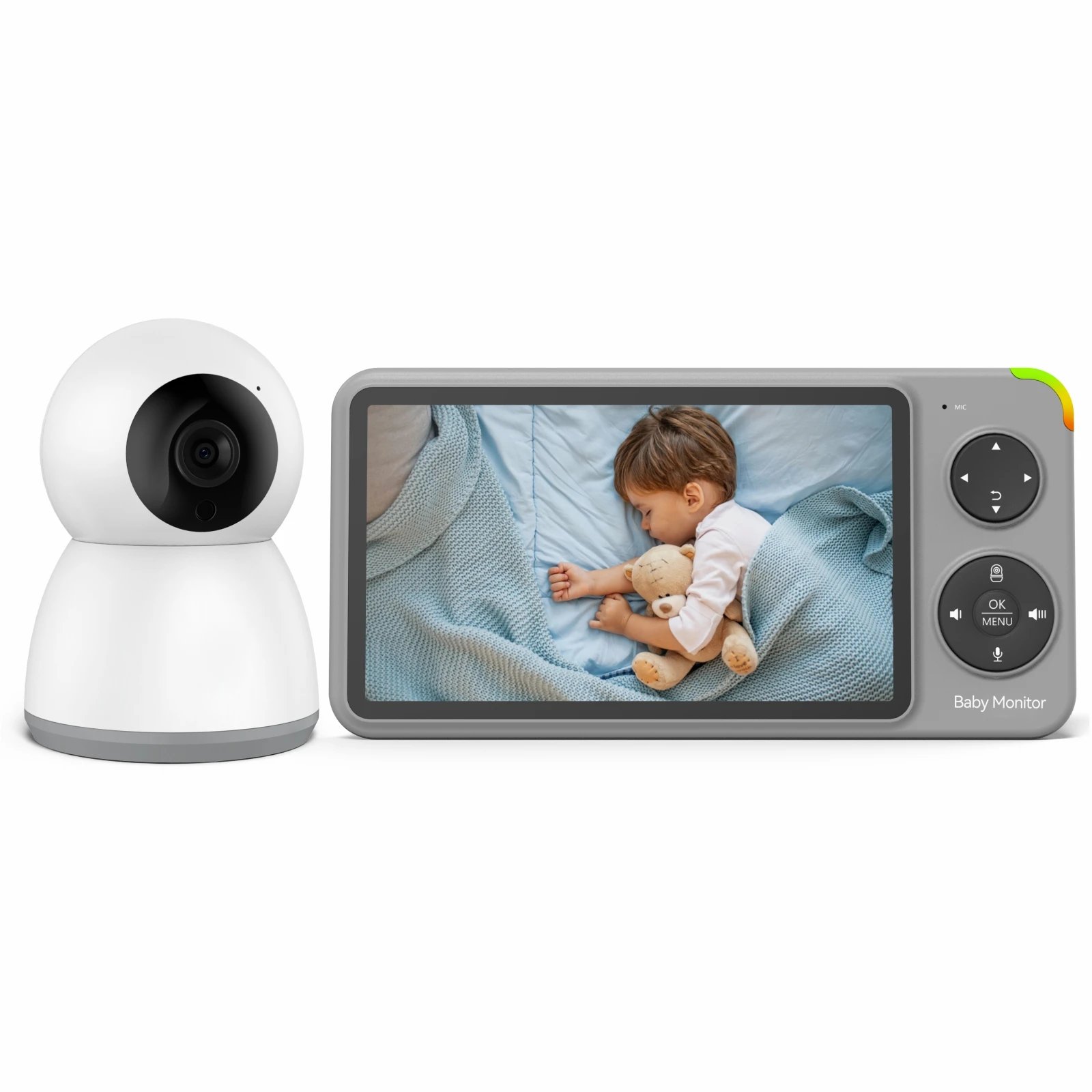
The second important aspect is the notification method. Basic models only emit an audible signal, while advanced ones offer vibration, light indication, and push notifications to a phone. For parents sleeping in a separate room, having radio communication with sufficient range is critical. The optimal range is at least 50 meters within an apartment or house.
It is also worth considering:
- Power type: mains, batteries, or rechargeable battery. Battery-powered models are more convenient for travel, while mains-powered ones are more reliable for stationary use.
- Mattress compatibility: for under-mattress panels, it is important to check whether the thickness and firmness of the sleeping surface are suitable.
- Additional functions: night light, room thermometer, audio monitoring, breathing history recording.
- Material safety: absence of small parts, reliable wire insulation, hypoallergenic components.
Based on an analysis of characteristics, ComfortShop recommends paying attention to models with the ability to disable sound and adjust the sensitivity threshold — this significantly increases the comfort of daily use.
Overview of a baby breathing monitor: types and features
The market offers a wide selection of devices that differ in form factor, functionality, and price category. An overview of a baby breathing monitor should begin with understanding which type best suits your family's needs. The simplest models perform only the breathing monitoring function, while multifunctional systems combine video surveillance, audio communication, and sleep analytics.
Under-mattress panel monitors are distinguished by maximum invisibility for the child. They have no contact with the body at all, which eliminates the risk of skin irritation or accidental displacement. However, such devices may be less accurate if the mattress is too thick or has a non-standard design. In addition, they react to any vibrations, including from a washing machine or nearby footsteps.
Wearable sensors in the form of a clip on the diaper provide more accurate monitoring since they record the movements of the child's body directly. They are compact and convenient to take on trips. However, they require getting used to: some children may react to a foreign object, although most manufacturers use soft silicone materials that do not create discomfort.
Smart systems with video surveillance.
A separate category is comprehensive solutions that combine a breathing sensor with a video camera and temperature sensor. Such systems allow you not only to hear the alarm but also to see the child in real time via a smartphone. This is especially relevant for parents who have returned to work and want to observe their baby remotely.

Practical tips for using a breathing sensor under the mattress
Correct installation and operation are the key to the proper functioning of any device. A breathing sensor under the mattress should be placed on a flat, hard surface, directly under the area where the child usually sleeps. It is important that there are no blankets, pillows, or other soft layers between the sensor and the mattress that could absorb vibrations.
Before first use, be sure to perform a test activation: place the child in the crib and make sure the indicator detects breathing movements. Most modern models have a light indicator that blinks in time with breathing. If the indication is absent or unstable, try changing the panel position or check compatibility with the mattress.
Do not forget about regular maintenance: wipe the sensor with a dry cloth, replace batteries in wireless models in a timely manner, and update software for smart devices. It is also worth remembering that a breathing monitor does not cancel the basic rules of safe sleep: the child should sleep on their back, on a firm mattress, without unnecessary objects in the crib.
Conclusion:
A baby sleep monitor with a breathing sensor is a useful tool that helps parents feel confident and respond more quickly to possible breathing disturbances. When choosing between an under-mattress panel and a wearable clip, focus on the child's age, crib type, and your own habits. The ComfortShop editorial team advises paying attention to adjustable sensitivity, a reliable notification method, and material quality, and also always checking the current price on the seller's website before purchasing.
Frequently Asked Questions
How is a baby sleep monitor with a breathing sensor different from a regular video baby monitor?
A regular video baby monitor only transmits images and sound, while a sleep monitor with a breathing sensor tracks chest movements or respiratory flow and sounds an alarm if it detects breathing cessation or disturbances.
How does a breathing sensor for a baby that is placed under the mattress work?
Such a sensor is a sensitive platform or sensor strip installed under the crib mattress that detects micro-vibrations from the baby's breathing, transmitting data to a base unit or smartphone.
Is a smart baby breathing monitor safe for a newborn?
Yes, most such devices are passive and do not come into direct contact with the child's body, but before use it is important to check for safety certificates and strictly follow the manufacturer's installation instructions.
What should you pay attention to when choosing a device for monitoring a newborn's breathing?
Pay attention to the sensor type (under the mattress or on the body), the presence of an apnea notification function, battery life, communication range, and the ability to connect to a smartphone via an application.