Modern parents often face a dilemma: how to ensure a child's safety without turning their life into total control. This issue becomes especially acute when a child stays home with a nanny or older relatives, or when the child is already quite independent but you want peace of mind knowing they are in a safe zone. The market offers many solutions, and one of the most popular is a GPS tracker for a child. But do these devices really work as manufacturers promise, and are they worth buying specifically for home use? On the recommendation of the ComfortShop editorial team, we decided to conduct an honest review of the most common models and figure out which children's GPS tracker for home is truly worth your attention.
? Table of Contents
- How does a GPS tracker work at home and is it even necessary?
- Honest GPS tracker review: what do real tests show?
- Children's GPS tracker for home: review of key features
- Which is the best GPS tracker for children: bracelet or watch?
- Pros and cons of using a tracker at home: expert opinion
- How to choose the ideal tracker: practical tips
- Conclusion:
How does a GPS tracker work at home and is it even necessary?
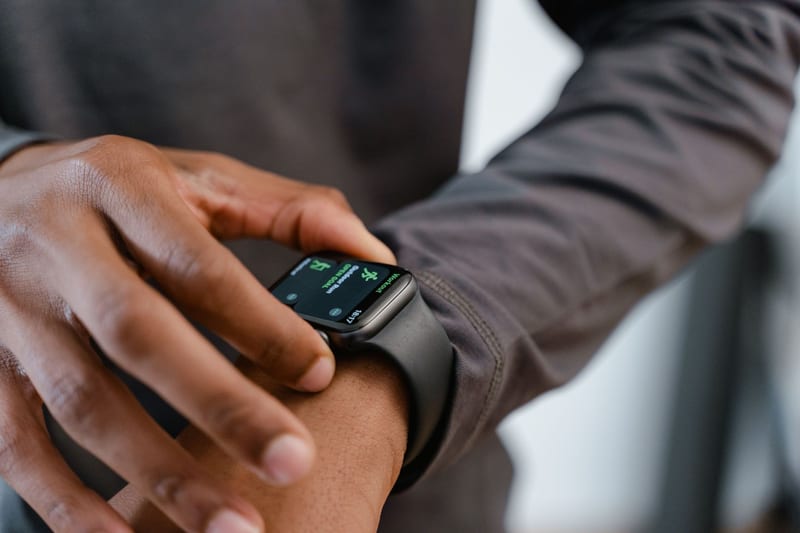
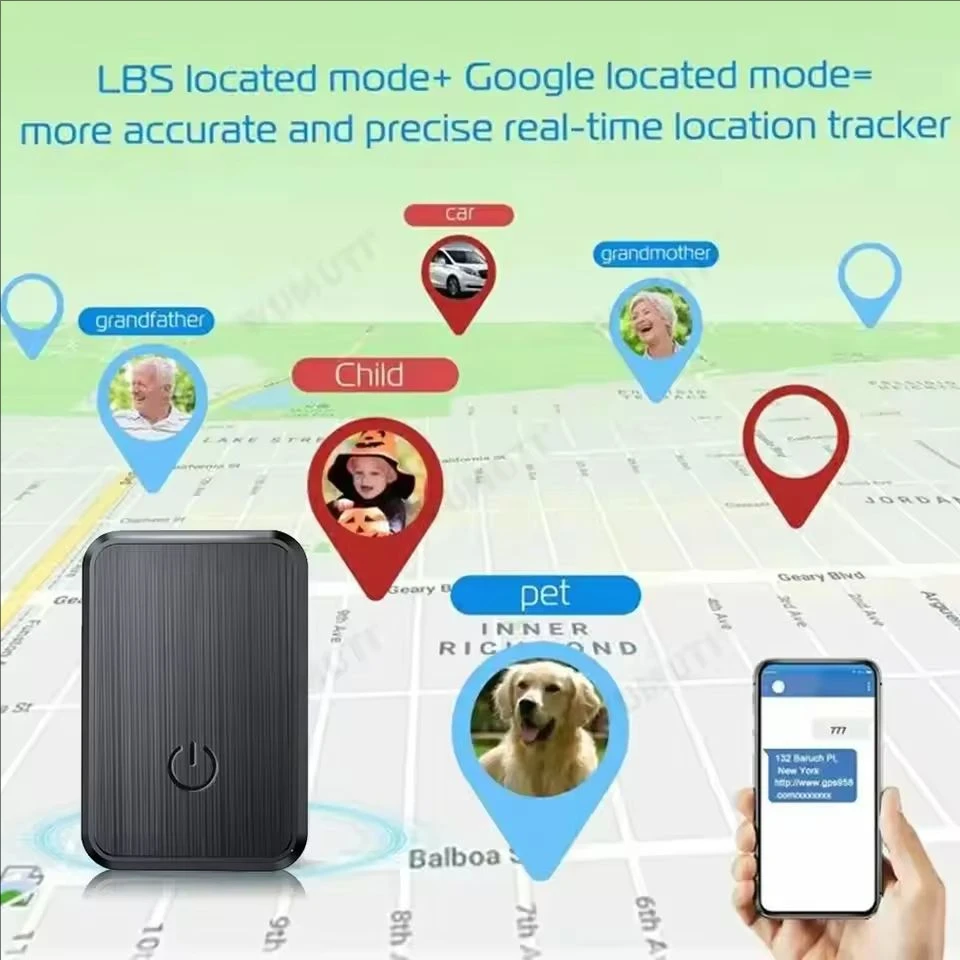
Many people mistakenly believe that a GPS tracker is exclusively a device for monitoring movement outdoors. In reality, the functionality of modern models is much broader. Tracking a child at home becomes possible thanks to a combination of GPS, Wi-Fi, and LBS (location determination via cell towers) technologies. When the device is indoors, it automatically switches to Wi-Fi, providing accurate positioning within the apartment or house.
But is it really necessary? A tracker for a child at home comes in handy if you work from home and cannot constantly be distracted, or when the child is under the supervision of elderly relatives who may not always be able to report their whereabouts in time. Additionally, many models have an "emergency button" (SOS) function, which instantly sends a signal to parents if the child feels in danger, even while at home.
Honest GPS tracker review: what do real tests show?
Conducting an honest GPS tracker review, we tested three popular models in different conditions: in an apartment with thick concrete walls, in a private house, and on a playground near the home. The results were mixed. In most cases, when the device was within Wi-Fi range, the accuracy of coordinate determination was high — the error did not exceed 3-5 meters.
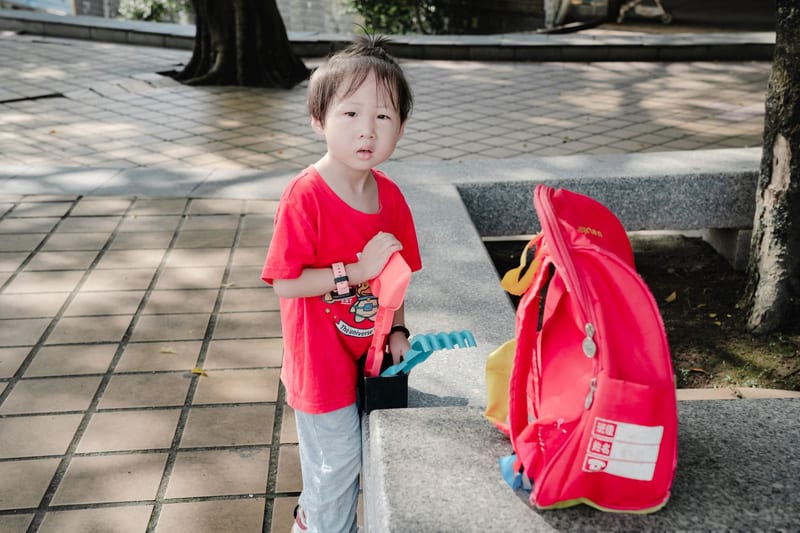
However, if the child went deep into the apartment or into the basement, where the Wi-Fi signal was weak, the tracker switched to LBS, and the error could reach 50-100 meters. This means you would see on the map that the child is "somewhere in the house," but you wouldn't be able to determine which specific room. Therefore, as ComfortShop reviewers note, for ideal operation at home, it is important to have a stable Wi-Fi router and place the tracker within its range.
Children's GPS tracker for home: review of key features
Before buying a children's GPS tracker for home, it's worth paying attention to the set of features that will actually be useful, and not just a marketing gimmick. Here is a list of what we consider essential:
- Geofences. The ability to set virtual boundaries (e.g., "home," "school," "yard"). If the child goes beyond them, you receive an instant notification. At home, this is convenient for monitoring whether the child has gone out onto the balcony or into a dangerous area.
- Two-way communication. A function that allows you not only to hear the child but also to talk to them. At home, this can replace a walkie-talkie or an additional phone.
- SOS button. The most important safety feature. The child can press it at any time, and you will immediately receive an alarm signal.
- Movement history. The ability to see where the child was during the day. This helps understand their routes and habits.
Some models also offer an "audio monitoring" function (listening to the surrounding environment), but its use often raises ethical questions. ComfortShop experts advise using it only in extreme cases, for example, if you suspect the child is in danger.
Which is the best GPS tracker for children: bracelet or watch?
The best GPS tracker for children is one that the child will want to wear. Therefore, the form factor of the device matters a lot. There are two main types on the market: a GPS bracelet for a child (which looks like a silicone accessory) and a smartwatch. Each has its pros and cons.
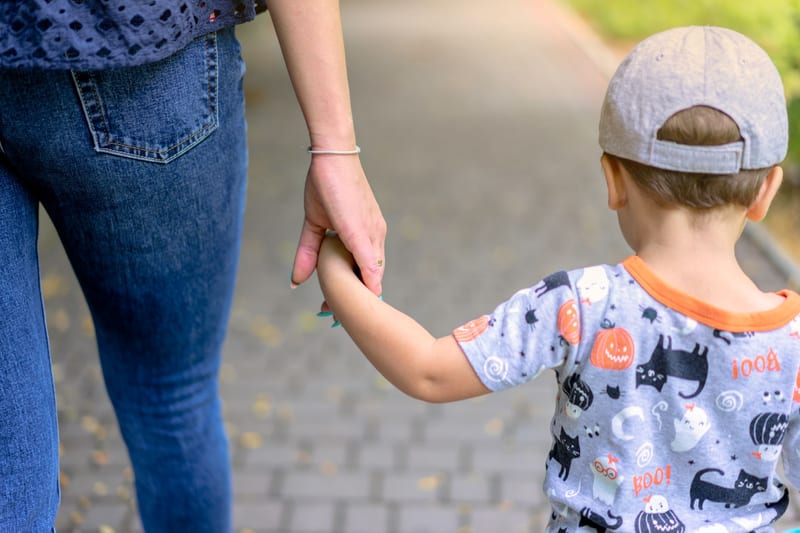
GPS bracelet is a lightweight, waterproof device that often has no screen. It is ideal for very young children who might accidentally break a watch. Its main advantage is battery life. The battery lasts up to 5-7 days. The downside is the lack of a screen and limited functionality.
Smartwatch is a more functional device. It has a screen, often supports video calls, a pedometer, and games. Older children tend to like it more. However, it needs to be charged daily or every two days. Additionally, a bright screen can distract the child from lessons. So, the choice depends on the age and needs of your child.
Should you be afraid of radiation from the tracker?
This question worries many parents. Most modern models use 2G/3G/4G communication standards, and their radiation is significantly below permissible norms. For comparison, a regular Wi-Fi router in an apartment creates much more electromagnetic background. If you are very concerned, choose models with a "power saving" function, which reduces the frequency of data transmission.
Pros and cons of using a tracker at home: expert opinion
We gathered reviews from parents who already use such devices and systematized them. Here is what real users say about the pros and cons of tracking a child at home:
- Pros: Peace of mind for parents when the child is at home with a nanny; the ability to quickly find the child if they have hidden or fallen asleep in an unexpected place; the SOS function provides confidence that the child can call for help.
- Cons: The potential to foster mistrust in the child if the tracker is used as a tool for total surveillance; dependence on connection quality and Wi-Fi; the need to regularly charge the device.
Many parents note that a tracker is not a panacea, but merely a tool. It works best in combination with upbringing and a trusting relationship. If the child knows that the device is needed for their safety, not for control, they will wear it without any issues.
How to choose the ideal tracker: practical tips
When choosing a device, pay attention to a few key points. First, battery life. For home use, models with a battery lasting 3-5 days are ideal, so you don't have to charge them daily. Second, the presence of water resistance (IP67 standard or higher) — children often wash their hands or play with water.
Third, pay attention to the mobile app. It should be intuitive, support the Ukrainian language, and have a user-friendly interface. Some cheap models have outdated apps that crash or don't show movement history. Finally, be sure to check if the device supports Ukrainian cellular frequencies. Imported models from China may not work with our operators.
If you are choosing a GPS bracelet for a child, make sure the material is hypoallergenic and the clasp is secure, so the child cannot take it off and lose it on their own. For the youngest children, it is better to choose models without small parts.
Conclusion:
A GPS tracker for a child at home is a useful, but not essential, device. It really helps parents feel calmer, especially if the child is left under the supervision of other people. However, it is important to remember that technology does not replace live communication and trust. Choose a model that fits your lifestyle and use it as a safety tool, not total control. On the recommendation of the ComfortShop editorial team, it is best to start with an inexpensive model with a basic set of features to understand if this monitoring format suits you.
Frequently Asked Questions
Does a GPS tracker for a child work inside an apartment?
Yes, most modern models use Wi-Fi and cell towers to determine location when the satellite signal is weak, so the tracker works at home too, but accuracy may be lower than outdoors.
Which is the best GPS tracker for a child at home — a bracelet or a beacon?
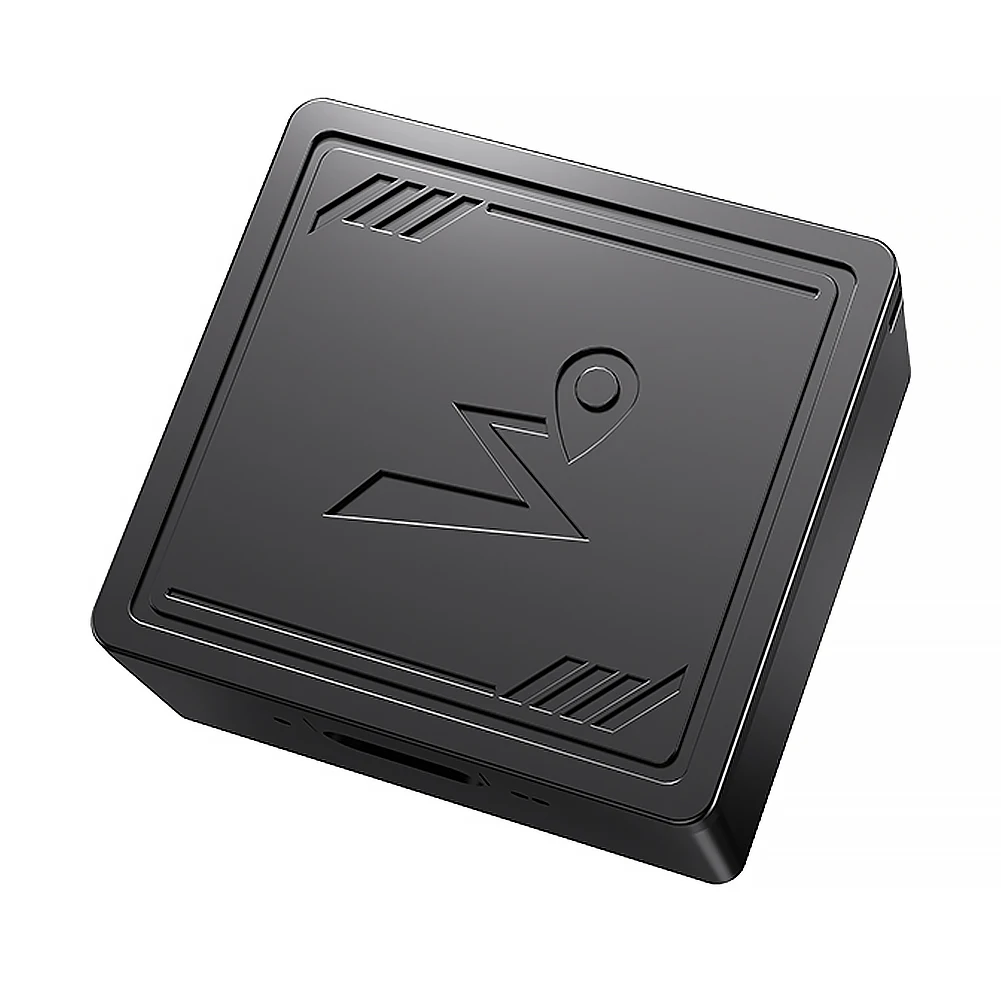
For home use, a compact beacon that can be placed in a pocket or backpack is more convenient, as children often take off bracelets, while the beacon stays with the child discreetly.
Will a children's GPS tracker for home help if the child has hidden in a room?
Yes, the tracker will show which room the child is in, but it will not determine the exact location within a single room — for that, it is better to use additional Bluetooth tags.
How often do you need to charge a GPS tracker for a child when used at home?
With active home use, with Wi-Fi and real-time mode enabled, the battery lasts 1-2 days, and in power-saving mode, up to 5-7 days.