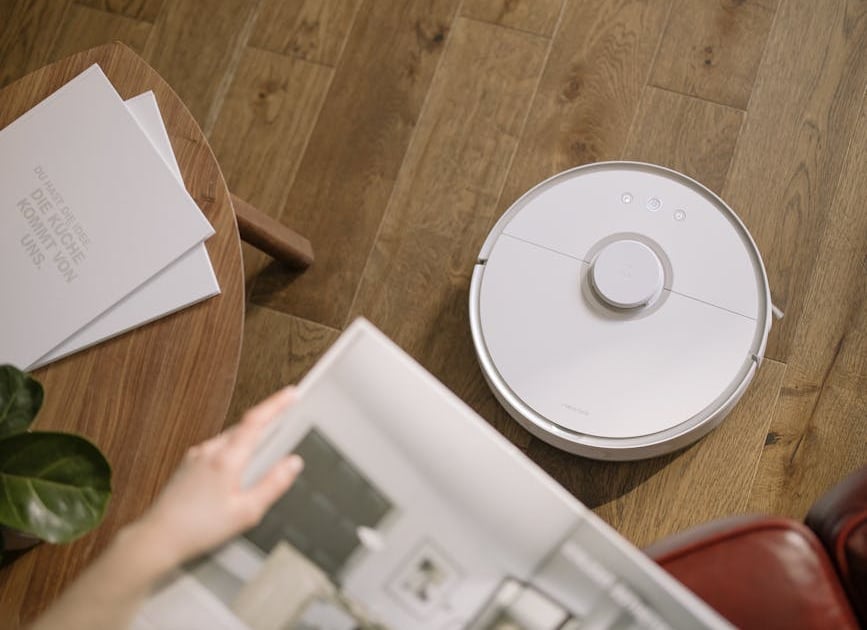
The modern home appliance market offers a multitude of solutions, and the floor washing robot holds a special place among smart home devices. Many dream of delegating wet cleaning to automation, but do these gadgets truly live up to expectations? We decided to conduct an honest review of a floor washing robot at home to understand the real capabilities, strengths, and weaknesses of the technology. Following the recommendation of the ComfortShop editorial team, we tested the device under normal conditions — in the kitchen, living room, and hallway — to provide the most objective assessment possible.
? Table of Contents
- How a Floor Washing Robot Works: Principle of Operation and Design
- Honest Review of a Floor Washing Robot: Testing on Different Surfaces
- Navigation and Intelligence: Is the Robot Truly Autonomous?
- Washing Quality: Is It Worth Buying a Floor Washing Robot?
- Pros and Cons: An Objective Look at the Technology
- Tips for Selection and Operation
- Conclusion:
How a Floor Washing Robot Works: Principle of Operation and Design
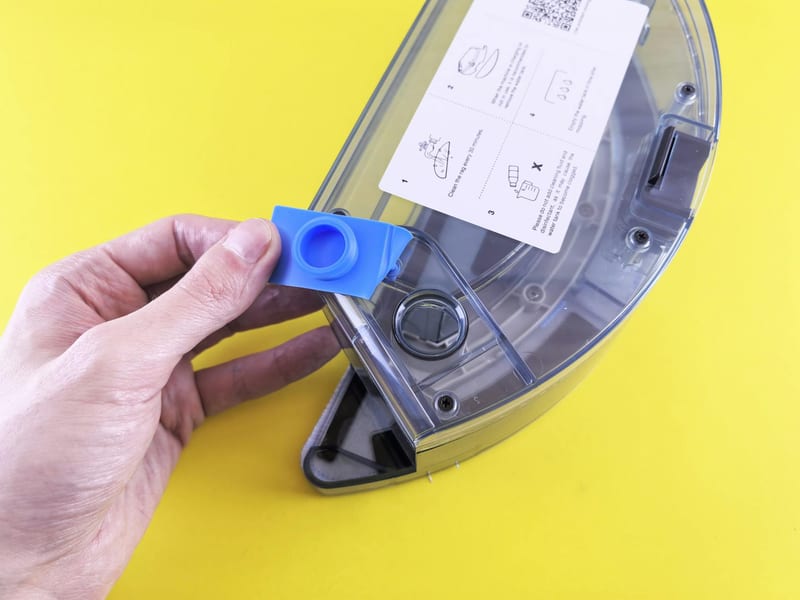
The main difference between a floor washing robot and a regular vacuum cleaner with a wet cleaning function is the presence of a powerful water supply system and active friction. The device is equipped with a tank for clean water, which evenly moistens special cloths or mops. Some models have two tanks: one for clean water and another for collecting dirty liquid after washing.
During movement, the robot constantly moistens the surface, and then, using rotating discs or a vibrating platform, it scrubs the floor intensively. This allows for effective removal of dried stains, shoe marks, and sticky dirt. Unlike simply supplying water to a cloth, a true washing robot performs a full washing cycle.
ComfortShop specialists note that for a quality result, not only the motor power is important, but also the material of the attachments. Modern microfiber cloths can hold dirt and water without leaving streaks on parquet or tiles.
Honest Review of a Floor Washing Robot: Testing on Different Surfaces
We conducted an honest review of a floor washing robot on three types of flooring: laminate, ceramic tile, and linoleum. The device showed the best results on tiles — dried juice drops and greasy stains were removed in a single pass. On laminate, the robot acted carefully, leaving no excess moisture, which is important for wooden surfaces.

There were nuances with linoleum: on old flooring with micro-cracks, the robot sometimes left streaks, but after adjusting the water supply level, the situation improved. It is worth noting that most modern models have floor type detection sensors that automatically adjust the moistening intensity.
For testing, we chose a mid-range model positioned as the best floor washing robot for daily use. Over a week of operation, the device never left puddles or excessively wet areas, confirming its reliability for regular cleaning.
Navigation and Intelligence: Is the Robot Truly Autonomous?
A modern smart home floor washing robot should be equipped with laser or camera scanning to build a map of the room. During testing, we assessed the accuracy of route planning: the device avoided collisions with furniture, did not get stuck on high-pile carpets, and confidently overcame thresholds up to 2 cm high.
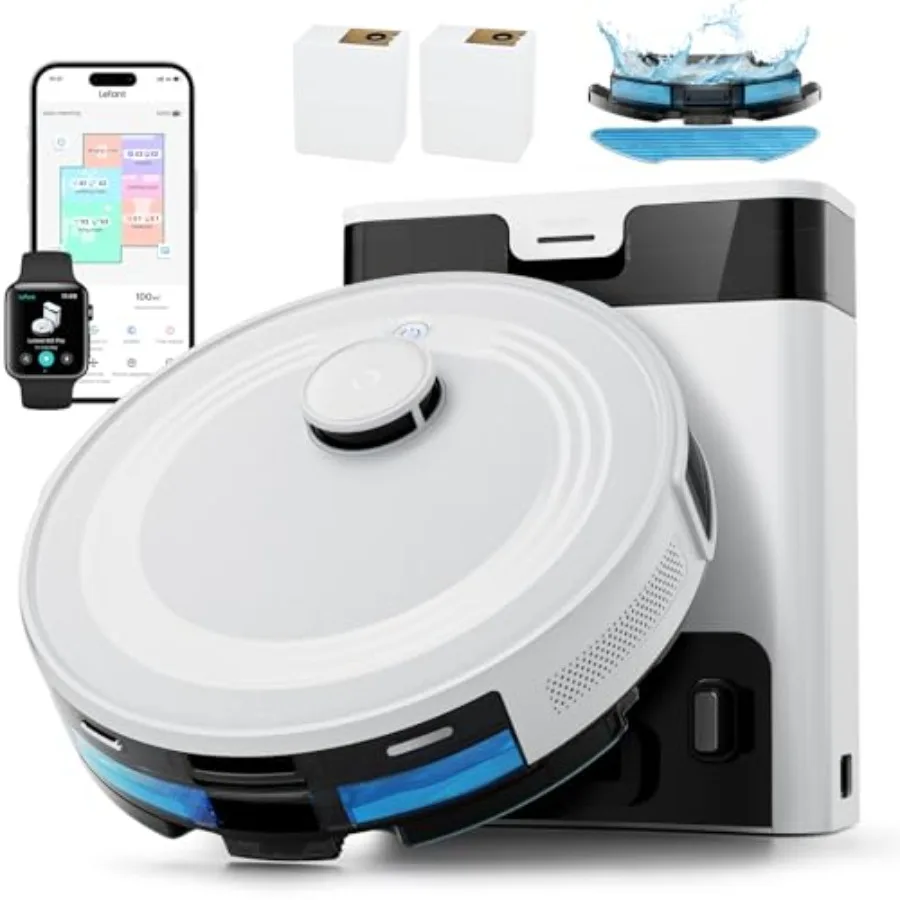

However, there are limitations: the floor washing robot cannot go under low sofas (less than 10 cm clearance) and sometimes gets confused in rooms with many mirrors or dark surfaces. This is a typical problem for all robot vacuums, so the apartment layout should be considered before purchasing.
The software allows you to set cleaning zones, schedule tasks, and even control via voice through popular assistants. Over a week of use, the robot never lost connection with the app and correctly returned to the base for charging and self-cleaning.
Washing Quality: Is It Worth Buying a Floor Washing Robot?
The question that concerns every buyer: can you completely trust wet cleaning to a robot? Our honest review of a floor washing robot shows that for maintaining daily cleanliness, it is an ideal solution. The device handles dust, pet hair, crumbs, and light stains excellently.
However, for deep cleaning after renovations or removing old dirt, a manual mop is still more effective. A floor washing robot is an assistant for regular maintenance that allows you to resort to traditional cleaning less often. As ComfortShop reviewers note, the difference is especially noticeable in homes with small children or pets — the floor always remains clean and fresh.
An important nuance: the floor washing robot review revealed that devices with automatic cloth cleaning are significantly more convenient to use. They independently wash the attachments at the base station, saving the owner time and effort.
Pros and Cons: An Objective Look at the Technology
Like any technology, a floor washing robot has its advantages and disadvantages. Undeniable pros include time savings, automatic room mapping, the ability to clean on a schedule, and high washing quality on smooth surfaces.
Among the cons, it is worth noting the need for regular water replacement (if the model does not have an automatic refill system), limitations on obstacle height, and the need for periodic cleaning of the base itself. Additionally, the price of a quality floor washing robot is higher than that of a regular vacuum cleaner with a wet cleaning function.
For those choosing the best floor washing robot, we recommend paying attention to models with laser navigation, a self-cleaning function, and adjustable water supply. These features ensure maximum comfort and device longevity.
Tips for Selection and Operation
Before purchasing, it is important to determine the type of flooring in your home. For parquet and laminate, choose models with a dry cleaning function and minimal water supply. For tiles and stone, more powerful devices with active friction are suitable.
Do not forget about regular maintenance: wash the water tank weekly, clean the sensors, and replace filters according to the instructions. This will significantly extend the robot's lifespan and maintain high cleaning quality.
We also advise paying attention to the noise level — most modern models operate quite quietly (up to 50 dB), allowing you to start cleaning even at night. Choose a device with a battery capacity reserve to ensure it covers the entire area of your home in one cycle.
Conclusion:
An honest review of a floor washing robot at home proves that it is not a marketing myth, but a truly useful assistant for maintaining cleanliness. The device handles daily cleaning excellently, saving time and effort, especially in large homes. We recommend buying a floor washing robot for those who value modern technology and want to make their home more comfortable, but it is worth remembering that for complex dirt, a traditional mop may sometimes be needed.
Frequently Asked Questions
Does a floor washing robot really clean dried stains?
Yes, most modern models with an active mop and surface pressure handle light dried stains, but for old grease or caked-on dirt, manual scrubbing may be required.
Do I need to buy special chemicals for a floor washing robot?
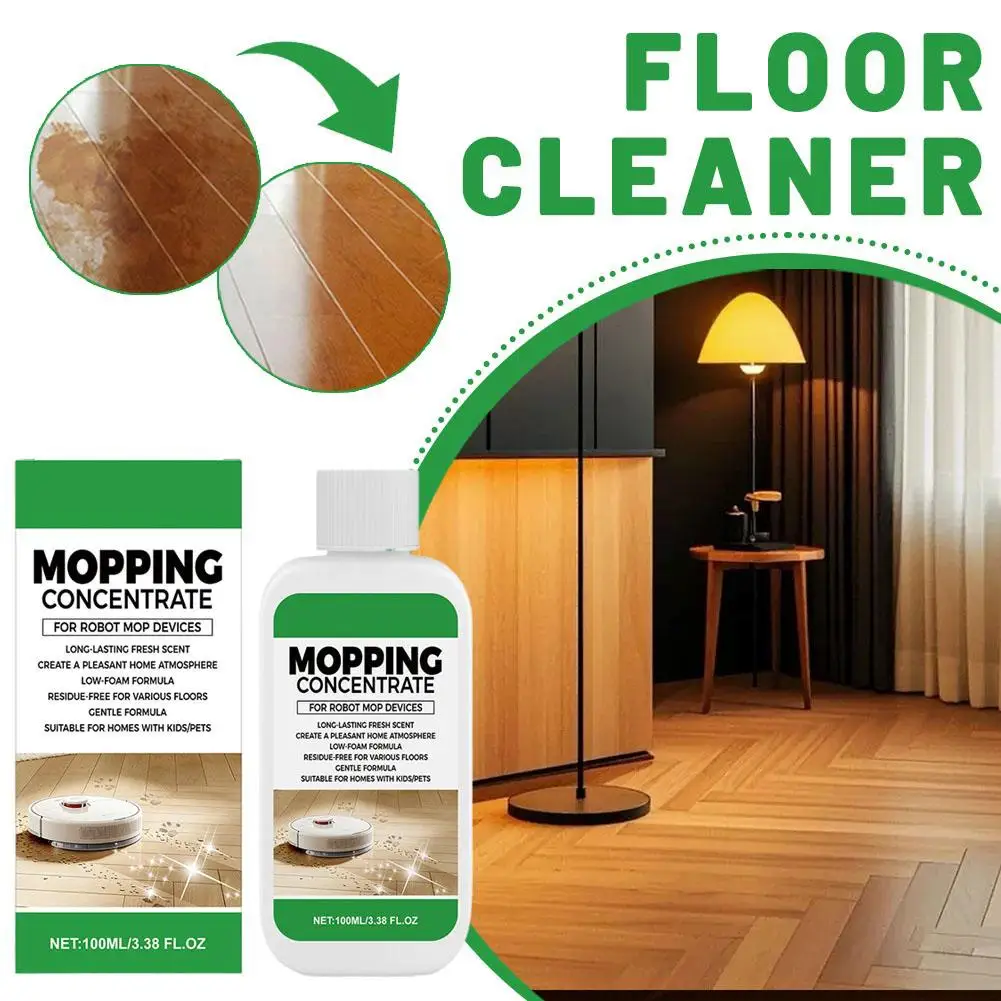
It is recommended to use only special low-foaming agents for robot vacuums, as regular household chemicals can damage the tank, sensors, and leave streaks.
How often should I wash the floor with the robot to avoid damaging the flooring?
It is optimal to run wet cleaning 2-3 times a week, but on laminate, be sure to use the mode with minimal water supply to avoid deformation of the flooring.
Can a floor washing robot replace regular mopping?
It maintains daily cleanliness and removes dust and light dirt excellently, but it will not completely replace deep cleaning with manual washing of hard-to-reach places and corners.