Choosing a first or next car seat for a child is always a responsible decision that directly affects the safety and comfort of the little passenger. The 2024 market offers a huge range of models from leading European and global brands, which can confuse even experienced parents. In this detailed review, we will look at the key types of child car seats, their technical features, real advantages and disadvantages, and provide practical recommendations for choosing. You will learn which criteria to pay attention to first and how to find the ideal solution for your child and car.
? Table of Contents
Classification of Car Seats by Groups: From Newborns to Schoolchildren
The main division of car seats is by weight groups, which corresponds to the stages of a child's development. Understanding this classification is the first step towards a safe choice.
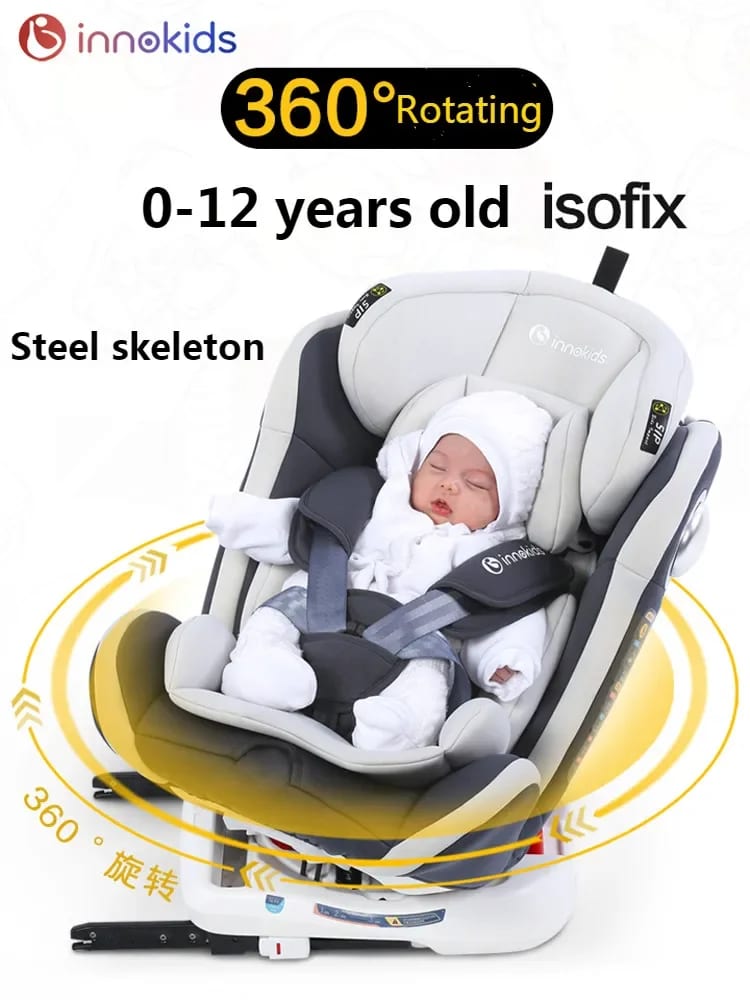
Group 0+ (from birth to 13 kg, approximately up to 1-1.5 years). These are so-called infant carriers or carrycots. The child is transported exclusively facing the rear of the vehicle, which provides maximum protection for the fragile neck and head during sudden braking. Such models often have a carrying handle and are compatible with strollers.
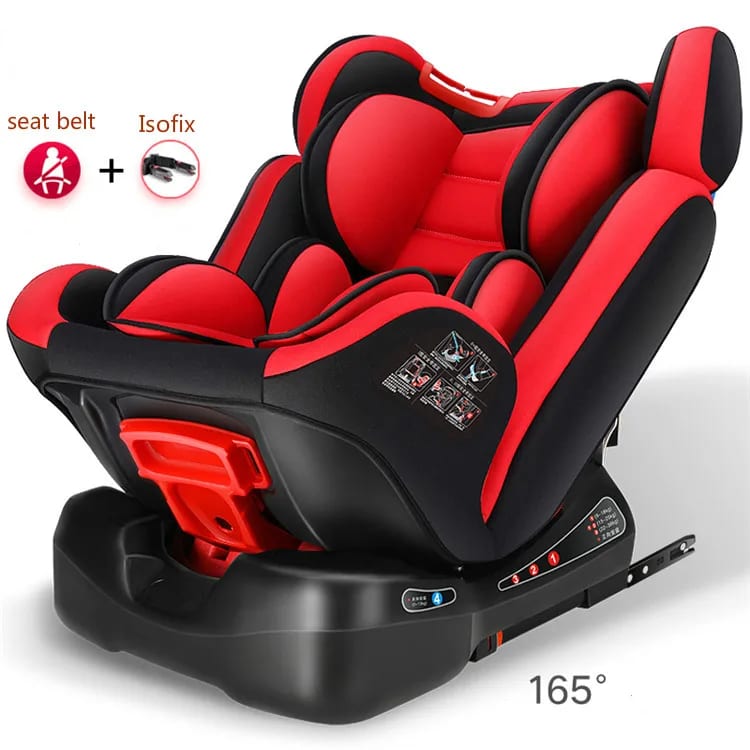
Group I (9-18 kg, age approximately 1-4 years). These are classic car seats that are installed facing forward. They are equipped with their own built-in five-point safety harnesses and an adjustable backrest recline. In this group, models with Isofix technology for rigid attachment to the car body appear.
Groups II-III (15-36 kg, age approximately 4-12 years). These are booster seats — seat cushions without a backrest or with a backrest. They raise the child so that the standard car seat belt correctly passes over the collarbone and hips, rather than the neck or stomach. Models with a high backrest provide better lateral support and comfort during sleep.
Technical Specifications and Safety Systems of 2024
Modern child car seats are high-tech devices. In addition to a basic frame made of impact-resistant plastic and soft polyurethane foam inserts, manufacturers integrate entire protection systems.
The Isofix mounting system is the gold standard of safety.
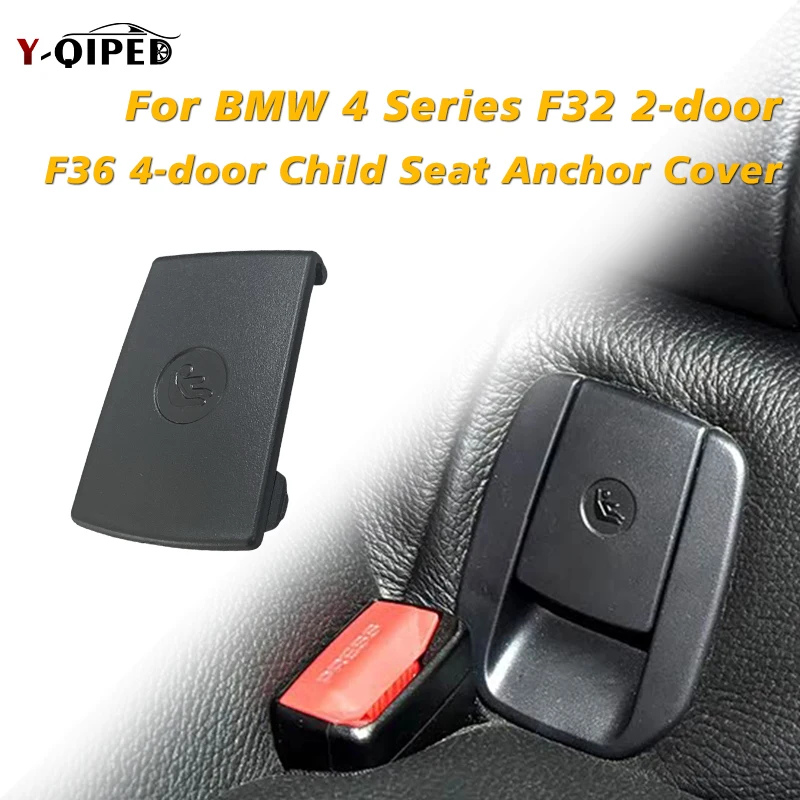
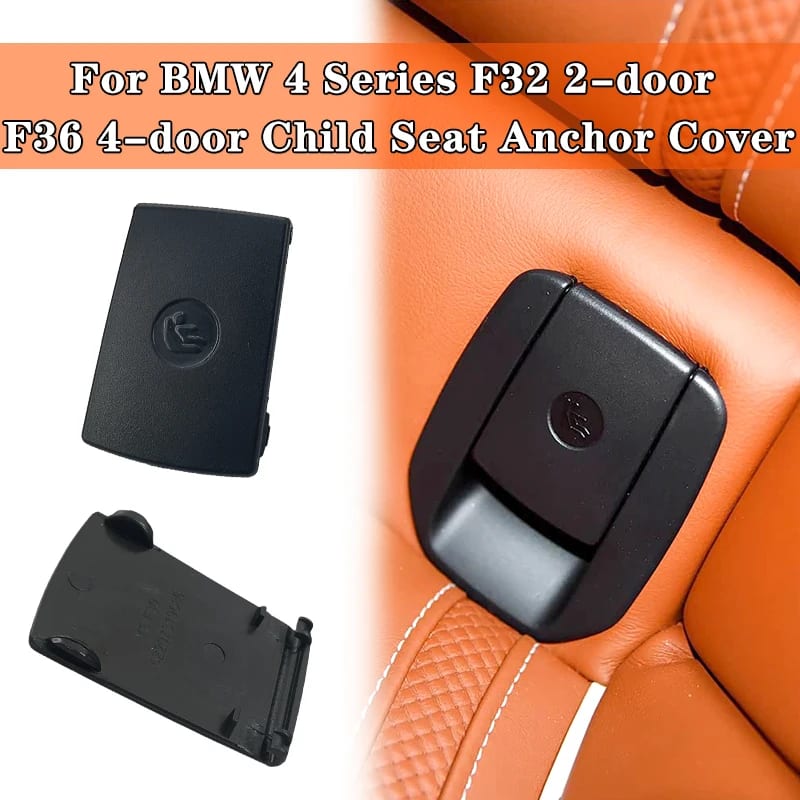
The presence of metal Isofix brackets that clip onto special loops in the car seat is the most important criterion for groups 0+ and I. This system eliminates installation errors and provides a rigid, immovable connection between the seat and the car body. For groups II-III, the Isofix system is often used in combination with a Top Tether anchor strap or a support leg, which prevents the seat from nodding forward upon impact.
Innovative side impact protection systems, such as SICT (in Cybex), L.S.P. (in Britax Römer), or Air Protect (in BeSafe), are special expandable cushions or shock-absorbing blocks in the side parts of the seat. They effectively absorb the energy of a side impact, protecting the child's head and shoulders.
Pros and Cons of Popular Seat Types
Each type of car seat has its own advantages and limitations that should be considered when purchasing.
Infant Carriers (0+): The main advantage is the ability to carry a sleeping child without removing them from the seat, and full compatibility with strollers. The main disadvantage is the very limited usage period. Many children outgrow them before the age of one.
Convertible Seats (groups 0+/I or I/II/III): Their main plus is versatility and budget savings, as one seat serves for several years. However, they often fall short in terms of comfort and ergonomics compared to specialized models, can be bulky, and may not always fit perfectly at every stage.
High-Back Boosters (II/III): An ideal choice for long trips with a school-age child. They ensure the correct belt position, good lateral support, and often have an adjustable headrest. The downside is that they take up more space on the rear seat compared to backless boosters.
Which Seat Suits Whom: Practical Recommendations
The choice of model depends not only on the child's age and weight but also on your lifestyle, car type, and budget.
For a newborn who is often taken for walks in a stroller, the optimal choice would be a Group 0+ infant carrier with a compatible adapter for your stroller. If the car is used infrequently, or you want to make a long-term investment, you could consider a Group 0+/I convertible seat with the possibility of rear-facing installation for an infant.

For active families who travel a lot by car, the best solution for a child aged 1-4 years would be a separate Group I seat with the Isofix system, which provides maximum safety and ease of installation. For a schoolchild who travels to classes and extracurricular activities, a compact backless booster (Group II/III), which is easy to carry and move, may suffice.
Be sure to check compatibility with your car!
Before buying a seat, make sure it physically fits on the rear seat of your car without interfering with the driver or front passenger. This is especially important for infant carriers installed on the front seat (only with the airbag deactivated!). The presence of Isofix anchors in your car is also critically important for corresponding models.
Where to Buy a Child Car Seat Profitably and Safely
Such products should only be purchased from trusted stores that can guarantee the originality of the product and provide a manufacturer's warranty.
Specialized online stores for children's products, such as ComfortShop, offer a wide range of 2024 models from official suppliers. Their advantages include: detailed descriptions, real photos, filters for easy selection by parameters, professional consultations, and often — favorable prices compared to offline retail. Additionally, such stores regularly hold promotions, sales with discounts on certain brands, or the opportunity to purchase in a set with other products.
When purchasing, pay attention to the availability of Ukrainian instructions and certificates of conformity. Be sure to keep the receipt and warranty card. Remember that saving on child safety is unacceptable, so you should avoid purchases on dubious platforms or "second-hand," where the seat's usage history cannot be verified (after even a minor accident, it is considered unusable).
Conclusion:
Choosing a child car seat in 2024 is a balance between safety, child comfort, convenience for parents, and budget. Priority should always be given to models with modern Isofix mounting systems and reinforced side impact protection that match the weight group. For infants, rear-facing travel is mandatory. Reliable online stores, such as ComfortShop, will help you choose the optimal model among market novelties and make a profitable purchase with a guarantee of quality and safety.