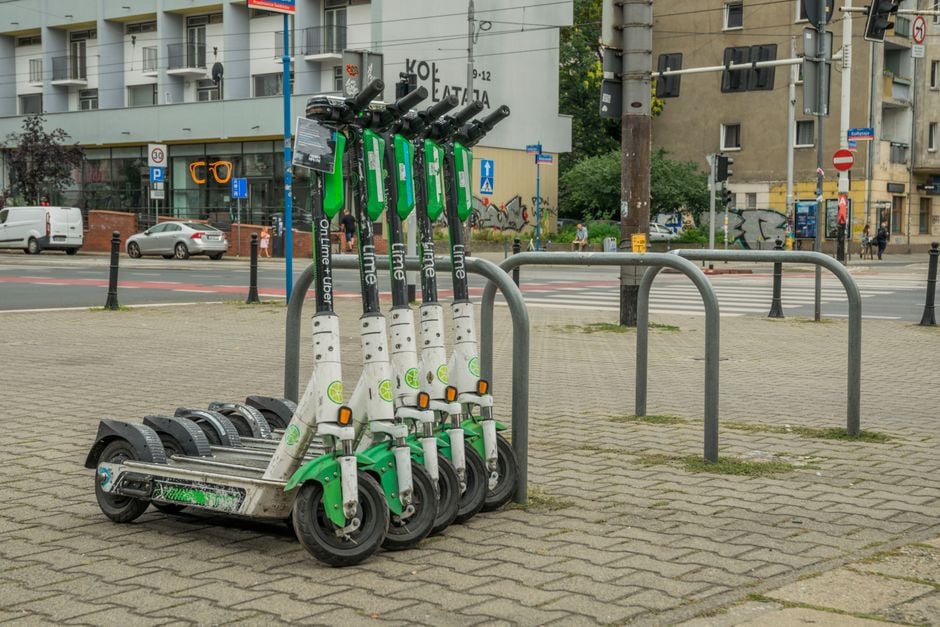
Choosing personal electric transport for a child is always a responsible decision, as it affects not only the convenience of travel but also the safety of the young rider. An electric scooter for a teenager must meet a number of criteria: from motor power to overall structural reliability. The modern market offers many models that differ in price, speed, and functionality, so it is important for parents to understand the key parameters in advance. Based on the recommendation of the ComfortShop editorial team, we have prepared a detailed guide to help you make the right and safe choice.
Article Contents
Age Restrictions and Weight Categories
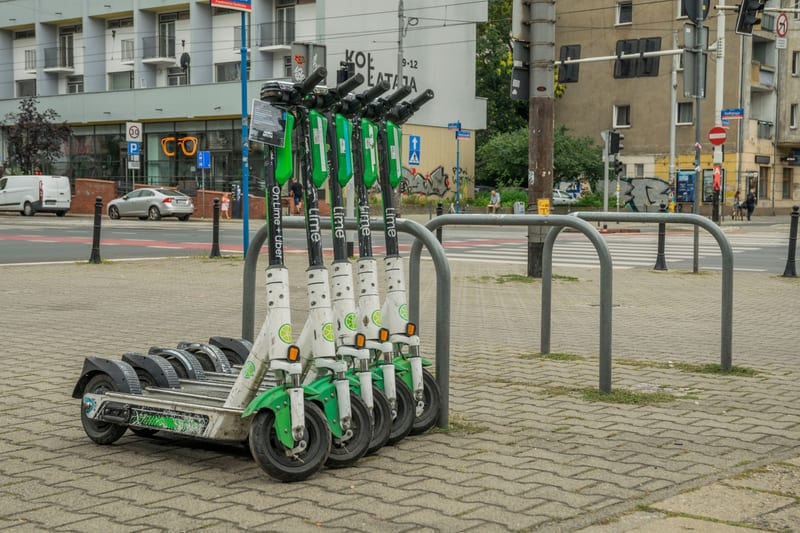
The first thing to pay attention to is the manufacturer's recommended age and maximum load. Most manufacturers indicate that an electric scooter for a teenager aged 12 and older is the optimal age to start using. However, the decisive factor is often not age, but the child's weight and height.
For teenagers aged 10-12 years weighing up to 50 kg, models with a load capacity of 80-100 kg are suitable. If the child is older or heavier, it is worth choosing scooters with a safety margin of up to 120 kg. It is important to remember that the lighter the scooter, the easier it will be for the teenager to control and carry it into the entrance. ComfortShop experts recommend choosing models with an aluminum frame — they combine lightness and high strength necessary for active use.
Motor Power and Speed Mode
Motor power directly affects acceleration dynamics and the ability to climb inclines. For safe use by a child, a motor with a power of 250 to 500 W is considered optimal. This is enough to accelerate to 25 km/h, which is the standard limit for many models.

Some manufacturers offer a speed limiting function that can be activated via a remote control or app. This is especially useful when you are just teaching your child to ride, as it allows you to gradually increase speed as skills develop. How to choose an electric scooter for a teenager considering speed? Choose models with multiple riding modes: "eco," "cruise," and "sport" — this will allow the child to adapt to different road conditions.
Battery and Range
Battery capacity determines how far a teenager can travel without recharging. For daily trips to school or extracurricular activities, a range of 15-25 kilometers is sufficient. However, it is worth considering that the actual mileage depends on riding style, terrain, and rider weight.
Lithium-ion batteries are the standard today — they are lightweight and durable. Full charging time usually ranges from 3 to 6 hours. Pay attention to the presence of an overcharge and overheating protection system, which extends battery life. The best electric scooter for a teenager should have a removable battery — this allows you to charge it separately without bringing the entire vehicle into the apartment.

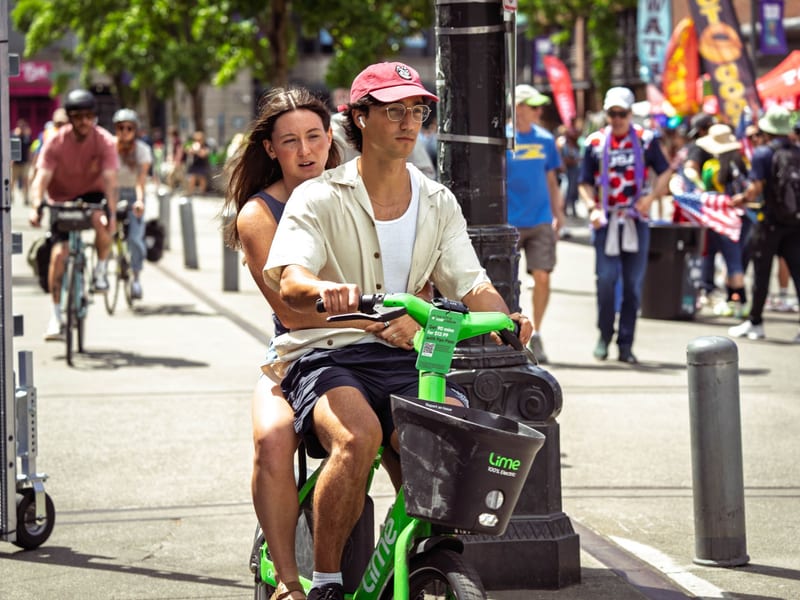
Is it worth buying a model with a long range?
If the budget allows, it is better to get a scooter with a range of 30-40 km, even if the child currently plans to ride less. This will provide a "safety cushion" for unforeseen trips and reduce the frequency of charging, which positively affects battery life.
Braking System and Safety
Reliable brakes are the key to safe riding. The most common options are disc brakes, drum brakes, and electronic motor braking. For a teenager, the optimal choice would be a combination of a disc brake on the rear wheel and an electronic brake — this ensures smooth and effective deceleration.
In addition to brakes, important safety elements include the presence of a front headlight, rear brake light, and reflectors. An electric scooter for children and teenagers must be visible on the road in the dark. Some modern models are equipped with turn signals, which significantly increases the safety of maneuvering in city traffic.
Wheel Size and Suspension
Wheel diameter affects cross-country ability and riding comfort. For teenagers, wheels with a diameter of 8 to 10 inches are recommended. Smaller wheels (6-7 inches) are more suitable for perfectly smooth asphalt, while 10-inch tires handle cracks, curbs, and cobblestones better.
The presence of a suspension fork or suspension significantly increases comfort when riding on uneven roads. If the child will mainly ride on park paths and sidewalks, suspension is not necessary, but for mixed use, it will be very useful. Pneumatic tires provide better traction and shock absorption compared to solid tires, but require periodic inflation.
Additional Features and Accessories
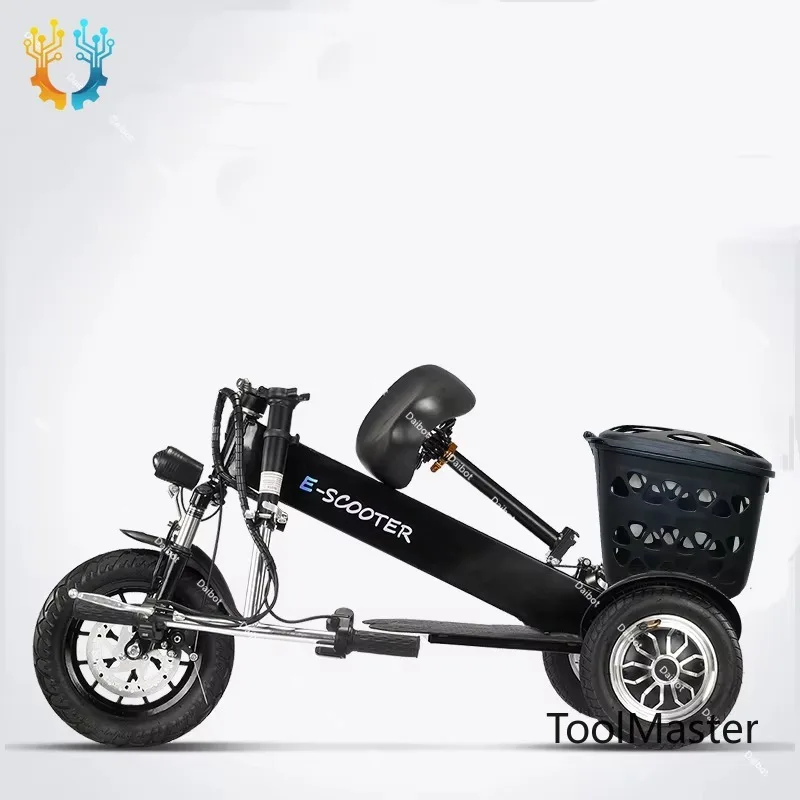
Modern electric scooters offer many additional options that make use more convenient and safer. Among them, it is worth highlighting:
- Folding mechanism — allows you to compactly fold the scooter for transport on public transport or storage at home.
- Display — shows current speed, battery level, and distance traveled.
- Cruise control — maintains a constant speed without the need to constantly hold the throttle.
- Anti-theft system — wheel locking via app or key.
Separately, it is worth mentioning protective gear. How to choose an electric scooter for a teenager safely? Be sure to purchase a helmet, elbow pads, and knee pads. This is not a whim, but a necessity that can prevent serious injuries during falls, especially in the early stages of learning.
Conclusion:
When choosing an electric scooter for a teenager, it is worth balancing the child's desires with safety requirements. The optimal solution would be a model with a power of 300-400 W, a range of 20-30 km, reliable disc brakes, and 8-10 inch wheels. As ComfortShop reviewers note, you should not skimp on the quality of the frame and battery — these are the main components that determine the longevity of the vehicle. Remember that a properly selected electric scooter will not only give your child the joy of independent rides but will also become a reliable helper in everyday tasks.
Frequently Asked Questions
From what age can you buy an electric scooter for a teenager?
Most models are recommended for children aged 12-14, but the main criteria are height (from 140 cm) and weight, which should not exceed the scooter's maximum load.
What maximum speed is suitable for a teenager?
For safety, choose models with a speed limit of up to 20-25 km/h that have a beginner mode so the child can gradually get used to controlling it.
Does a teenager need a helmet and protection on an electric scooter?
Yes, a helmet is mandatory, and knee pads and elbow pads significantly reduce the risk of injury during falls, especially for inexperienced riders.
How to choose an electric scooter for a teenager based on range?
For daily trips to school or walks, a range of 15-25 km is sufficient, but if the child plans long trips, choose a model with a 30-40 km battery.