Child safety outside the home is something that worries every parent, especially when a child goes to school for the first time. Modern technology offers a convenient solution: compact location tracking devices. In this material, the ComfortShop editorial team analyzed specifications and open sources to determine how practical a children's GPS bracelet for school is in real-world conditions.
Article Contents
What is a children's GPS bracelet and how does it work

A children's GPS bracelet for school is a compact wrist device that combines the functions of a location tracker and a basic phone. Unlike a smartphone, it does not distract the child with games or social media, but it allows parents to see where the student is in real time through a mobile app.
The operating principle is based on a combination of technologies: GPS for accurate positioning outdoors, Wi-Fi for refining the position indoors, and LBS (cell tower triangulation) as a backup channel. This approach ensures stable tracking even when the satellite signal is unavailable — for example, in a school hallway or shopping center.
To transmit data, the device uses a SIM card with mobile internet. That is why before purchasing, it is worth checking compatibility with the frequencies of Ukrainian operators. According to the ComfortShop editorial team's recommendation, choose models with 4G support or at least 3G, since 2G networks are gradually being phased out in Ukraine.
Key features for a schoolchild: what is really needed
A GPS bracelet for a schoolchild review should start not with the design, but with the functionality that directly affects safety. The basic set of capabilities in most modern models includes several important tools.

Geofences — the main control tool.
The geofencing feature allows you to outline safe zones on the map: school, home, extracurricular activities. As soon as the child crosses the boundary, parents instantly receive a notification on their smartphone. This is especially convenient for monitoring the "school — home" route without constantly checking the map.
The second critically important feature is the SOS button. In case of danger, the child can press it, and the bracelet will automatically call the programmed parent numbers and send the coordinates. Some models also take a series of photos or record surrounding audio, which helps assess the situation.
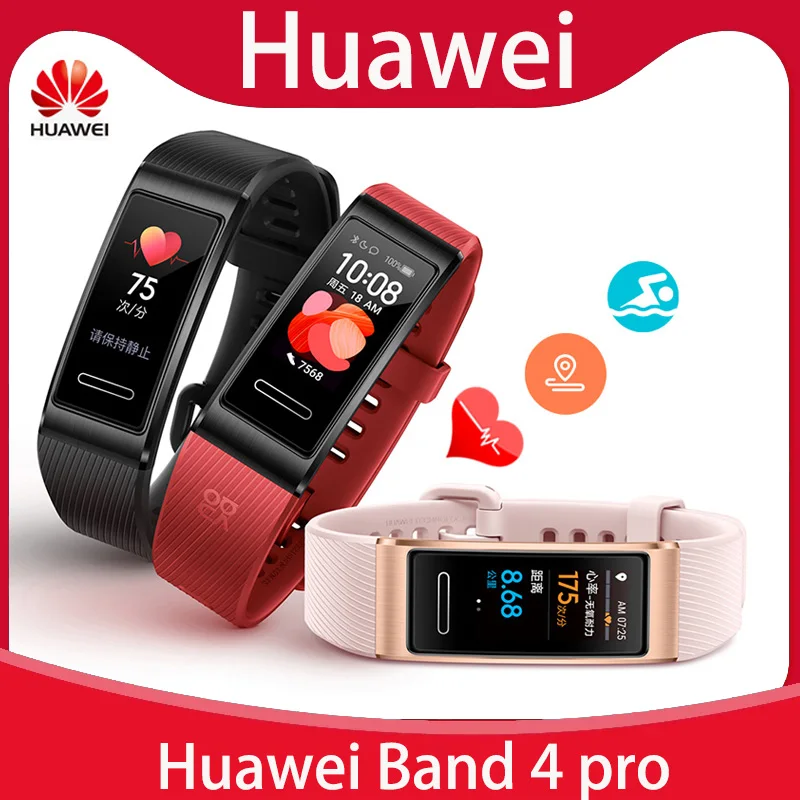

Among the additional features worth considering: two-way voice communication, remote ambient listening, a "do not disturb" button for lessons, and a step counter for monitoring physical activity. However, an excessive number of features is not always an advantage — the simpler the interface, the easier it is for a child to use it.
Smart bracelet for children test: practical aspects of use
A smart bracelet for children test in real conditions reveals several nuances that are not always obvious from the technical specifications. First of all, this is wearing comfort. A student wears the bracelet for 6–8 hours daily, so the strap must be hypoallergenic, soft, and adjustable to fit a child's wrist.
Moisture protection is also important. Children wash their hands, run in the rain, and may spill water — so an IP67 protection rating or higher is practically mandatory. Models without moisture protection quickly fail, as confirmed by numerous user reviews.
Battery life is another critical parameter. A tracker for a child at school should work for at least 2–3 days without recharging. If the bracelet dies by the end of the school day, it loses its purpose as a safety tool. Pay attention to the battery capacity and the manufacturer's stated operating time, but keep in mind that real-world figures are usually 20–30% lower.
After analyzing open sources, the ComfortShop editorial team notes: models with a battery of 600 mAh or more combined with an energy-efficient chip show the best results. This combination allows the bracelet to operate stably for several days even with active geofence usage and occasional calls.
GPS watch for children reviews: what parents complain about
GPS watch for children reviews from parents allow forming an objective picture of advantages and disadvantages. Most often, positive comments concern parents' peace of mind: the ability to see where the child is at any time significantly reduces anxiety levels, especially in the first months of school.
At the same time, typical complaints include location inaccuracy in certain places. This is related to how GPS works in dense urban areas or inside buildings. In such cases, combined positioning via Wi-Fi helps, refining the position to within a few meters.
Another common drawback is the complexity of setup. Some apps have a confusing interface or require registration on Chinese servers. Before purchasing, it is worth checking whether the chosen model has a Ukrainian-language app and whether it works correctly with Ukrainian mobile operators.
Separately, it is worth mentioning the issue of SIM card compatibility. Some bracelets only work with micro-SIM, others with nano-SIM. It is also important that the plan includes a sufficient amount of mobile data, since location transmission happens constantly in the background.
How to choose a children's GPS tracker: practical tips
When you have decided to buy a children's GPS tracker, it is worth paying attention to several key criteria that determine the convenience of daily use. Below are the main parameters to evaluate before choosing a specific model.
- Location quality: availability of GPS + Wi-Fi + LBS for stable operation in any conditions.
- Battery life: battery of 600 mAh or more, providing 2–4 days of operation.
- Protection: IP67 rating or higher for protection against water and dust.
- Connectivity: 4G or 3G support, compatibility with Ukrainian operator frequencies.
- App: Ukrainian-language interface, convenient setup of geofences and notifications.
- SOS button: quick call to multiple numbers with location transmission.
Also pay attention to the type of charging connector. Most modern models use magnetic charging, which is convenient for a child. However, such a cable is easy to lose, so it is worth getting a spare one right away.
Based on the analysis of specifications, ComfortShop recommends choosing models from well-known brands that have official support and software updates. This reduces the risk of compatibility and data security issues.
Conclusion:
A children's GPS bracelet for school is a practical tool for parents' peace of mind and additional child safety, which justifies itself provided the right model is chosen. The key criteria are reliable location determination, battery life, moisture protection, and a convenient app. The ComfortShop editorial team advises paying attention to proven models with support for modern networks and a Ukrainian-language interface, as well as checking current prices and terms directly on sellers' websites.
Frequently Asked Questions
Can a child wear a GPS bracelet to school, or is it prohibited by the rules?
Yes, this is usually allowed since the bracelet functions as a watch, but before purchasing it is worth checking the specific school's internal rules regarding wearing electronic devices.
How accurate is location determination in children's GPS trackers?
Accuracy depends on the type of connection: outdoors via GPS, the error is usually 5-10 meters, while indoors or near high-rise buildings the tracker may rely on Wi-Fi or LBS, which provides less accurate data.
How long does the battery last in a GPS bracelet for a schoolchild and how often should it be charged?
In most models tested by the editorial team, the battery lasts 2-4 days in standby mode with periodic location updates, so the device will need to be charged every 1-2 days with active use.
Is a SIM card required for a children's GPS watch to work, and what additional costs does this involve?
Yes, to transmit location data and make calls, most of these bracelets require a SIM card with mobile internet, so factor in the cost of the operator's plan set by the communication service provider.