When a baby appears in the home, every parent sooner or later thinks about how to make their development as harmonious as possible. Maria Montessori's method has been proving its effectiveness for over a hundred years, but the real question is whether these principles work in the conditions of an ordinary apartment. Is it really enough to buy a few wooden toys for a child to start developing faster? Based on the real experience of parents who have tested the system in practice, the answer is not as clear-cut as it might seem at first glance. That is why the ComfortShop editorial team decided to gather the most honest reviews and observations to help you avoid typical mistakes.
? Table of Contents
Why does the Montessori method cause so much controversy?
The main idea of Montessori pedagogy is to give the child freedom of choice in a prepared environment. On paper, this sounds ideal: the child chooses what to do themselves, and the adult only observes. However, in practice, many parents find that the child ignores expensive sensory materials, preferring ordinary pots or the TV remote control.
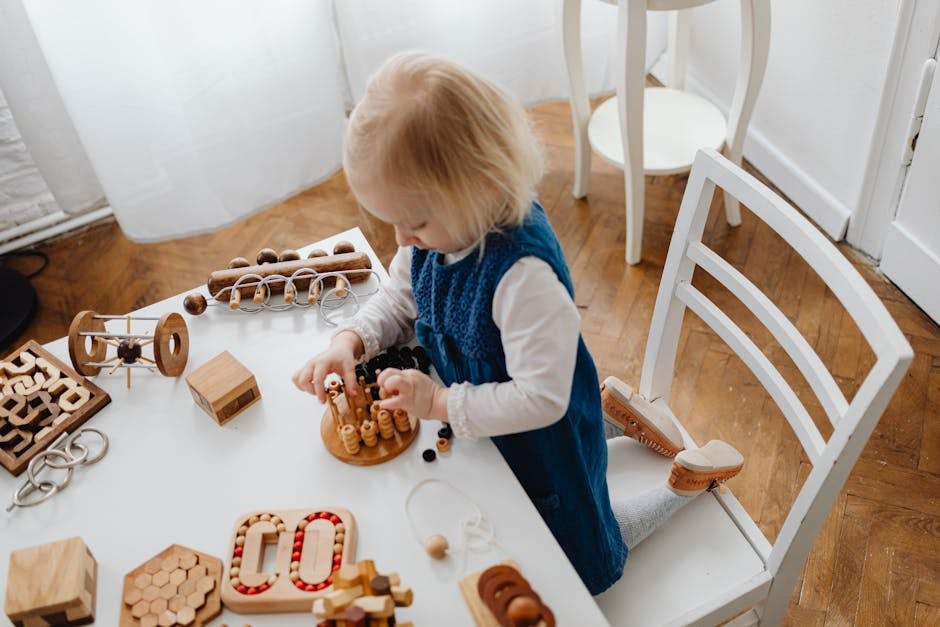
Does this mean the system doesn't work? Not at all. It's just that Montessori method toys require proper presentation. A child won't understand the purpose of a sorting box if they aren't shown how to interact with it. Moreover, parents have to change their own habits: stop interrupting play, allow the child to make mistakes, and not rush to help at the first sign of failure.
First steps: where to start implementing it at home?
The most common mistake beginners make is trying to set up a perfect Montessori environment in one day. Buying a dozen inset puzzles, busy boards, and sorters often leads to the child simply getting lost in an excess of stimuli. ComfortShop experts advise starting small: three or four items that match the child's current skills are enough.
For the youngest (6 months to 1 year), hanging mobiles, rustling bags, and simple wooden rattles are ideal. At 1-2 years old, children love pouring grains, putting items into boxes, and opening lids. It is during this period that Montessori educational toys become a real lifesaver: they teach concentration and coordination of movements.
How to choose the first toy that won't gather dust on the shelf.
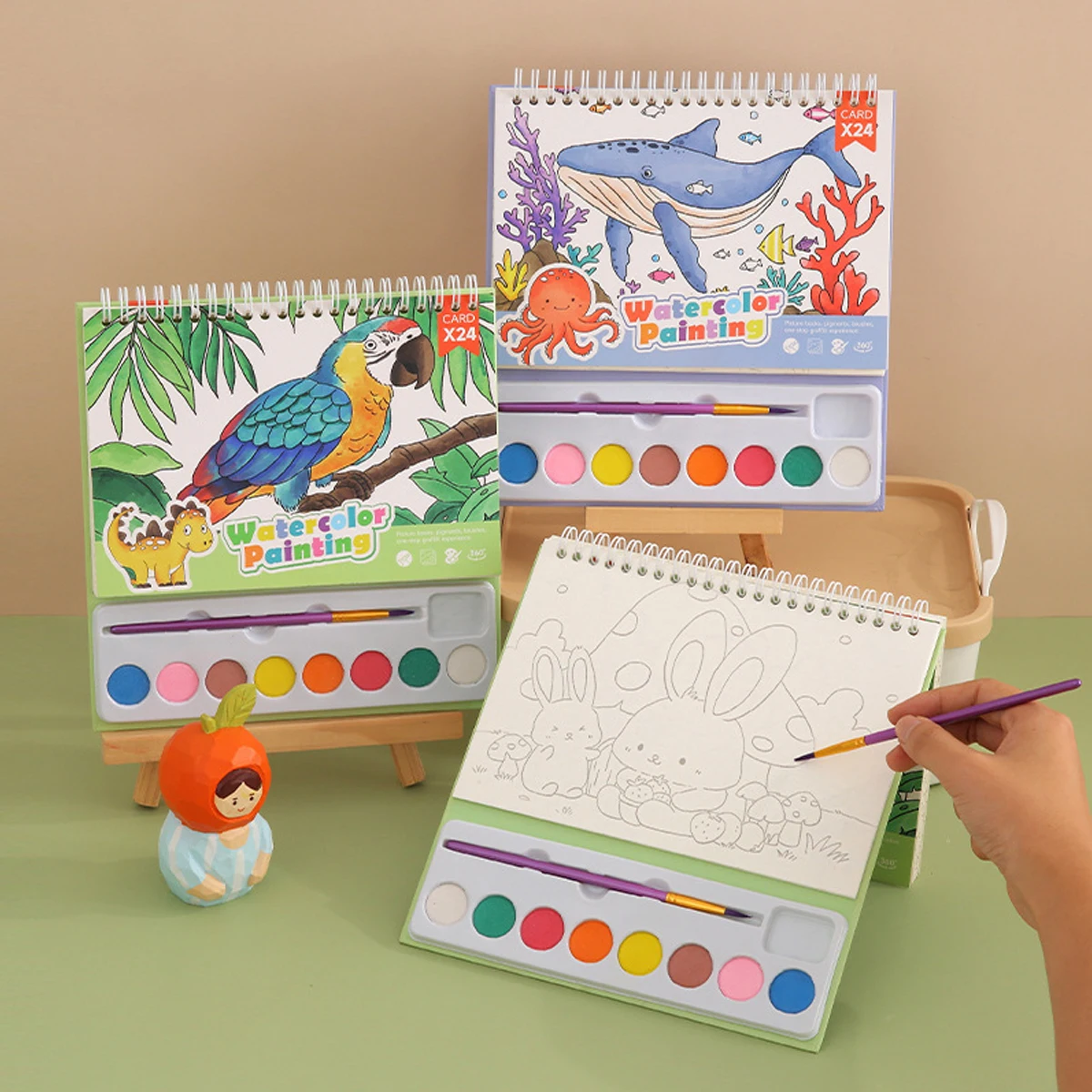
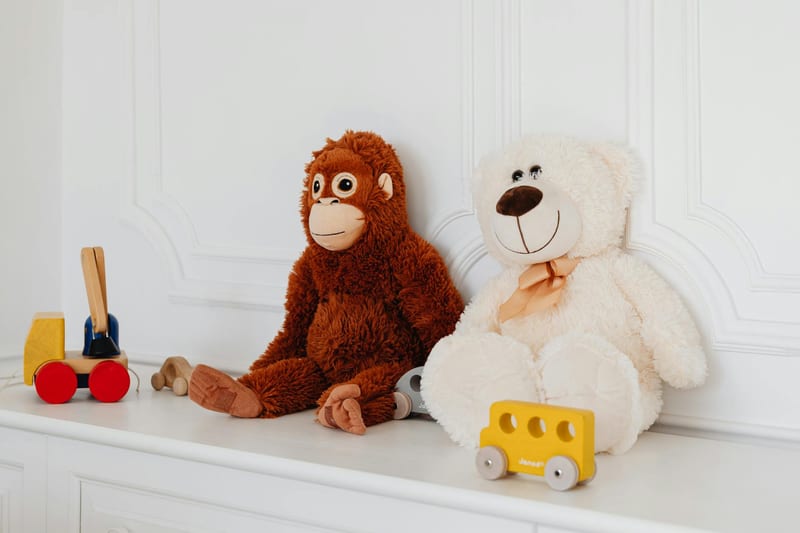
Pay attention to materials: natural wood, fabric, metal. Bright plastic toys that sing and light up usually overload the nervous system and leave no room for the child's own discoveries. The best test is to see if the toy makes the child want to explore it again and again. If interest disappears after five minutes of play, it means it doesn't meet the child's needs.
Real experience: what do parents say about Montessori at home?
Reviews on forums and social media often fall into two camps. Some enthusiastically talk about how their child independently puts away toys and chooses complex logical tasks. Others complain that the method requires too much time and self-discipline from adults. The truth, as always, lies somewhere in between.
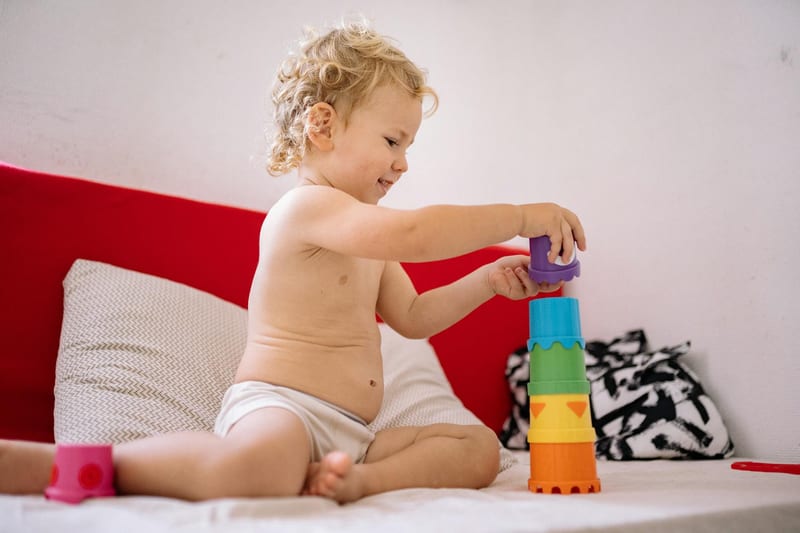
The mother of two-year-old Artem shares: "We started with a minimal set — an inset puzzle, a lacing toy, and a sorter. The first week, my son just scattered the pieces around the room. But when I calmly showed him how to put the shapes together every day, by the third week he assembled everything himself. Now our Montessori at home reviews are only positive: the child has become more focused, finds things to do on his own for 20-30 minutes."
Another mother, Olena, admits: "At first, I bought everything recommended in blogs — a busy board, a soft cube, sound jars. My daughter played with them for a day and forgot about them. It turned out I just didn't consider her interests. Now we use only three toys, but we rotate them every week. The effect is much better."
How to avoid mistakes in choosing: main criteria
For Montessori toys at home to truly work, it's important to follow a few simple rules. First, the toy must be authentic — that is, created to develop a specific skill, not just a beautiful object. Second, it should have a control of error: the child must be able to understand on their own that they did something wrong, without a hint from an adult.
- Materials. Choose natural textures — wood, cotton, metal. They are pleasant to the touch and safe for mucous membranes.
- Functionality. The toy should involve an active action: threading, inserting, pouring, screwing.
- Age appropriateness. Don't buy tasks "for growth." A child quickly loses interest if they can't handle it.
- Minimalism. Better 5 toys that are regularly rotated than 50 lying in one chest.
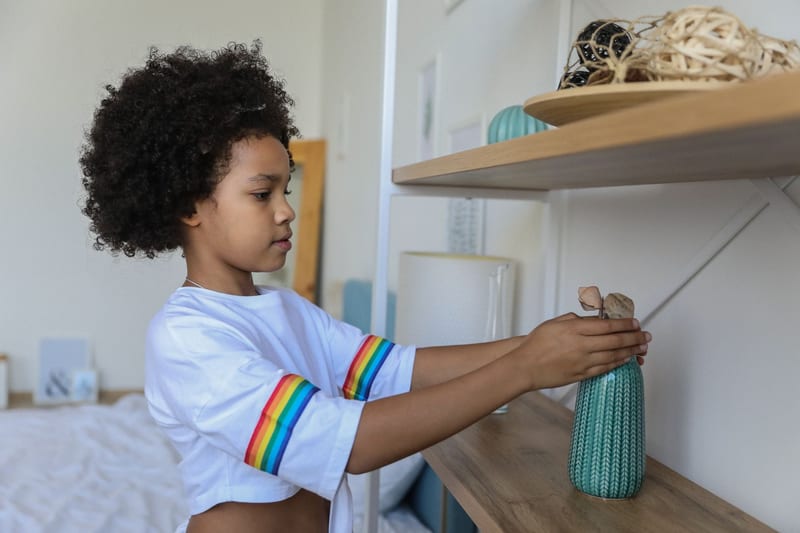
As ComfortShop reviewers note, many parents mistakenly believe that Montessori is only about toys. In reality, 70% of success depends on the organization of space: low shelves, accessibility of materials, absence of unnecessary stimuli. Sometimes it's enough to just remove bright posters from the walls and replace a heavy cabinet with an open shelf for the child to start playing with what is already at home.
Typical mistakes almost everyone makes
Even experienced parents occasionally fall into the traps of stereotypes. The first mistake is excessive overprotection. When a mother constantly prompts: "No, not like that, try differently," the child loses the motivation to explore. The second mistake is comparing with other children. Montessori pedagogy is not about competition, but about an individual pace of development.
The third mistake is ignoring sensitive periods. For example, at the age of 2-3 years, children experience a peak interest in order. If you don't teach them to put things back in their place at this moment, it will be much more difficult to do so later. That is why Montessori for children is not a set of toys, but a way of life that requires attentiveness to the child's needs.
Conclusion:
Real experience shows that the Montessori method at home is not a magic pill, but a tool that works only with a conscious approach. Don't buy everything at once and expect instant results. Start small, observe your child, and don't be afraid to make mistakes. If you choose quality materials and organize the space correctly, the effect will not be long in coming. The ComfortShop editorial team recommends starting with a basic set of 3-4 toys that match your child's age and interests, and gradually expanding the collection.
Frequently Asked Questions
Are Montessori toys at home really better than regular educational toys?
Yes, when used correctly: they teach independence and concentration, but real Montessori experience shows that the main thing is not the toy, but the environment and the child's freedom of choice.
At what age should you start using Montessori method toys?
Montessori for children is suitable from birth, but the first specialized toys (e.g., a mobile or rattles) are introduced from 3-4 months, and simple sorters and inset puzzles from 8-12 months.
Can expensive branded Montessori toys be replaced with homemade ones?
Yes, and this is confirmed by numerous Montessori at home reviews: many Montessori educational toys are easy to make from available materials — boxes, fabrics, cereals, and buttons — which gives the same effect.
How to know when a child is bored with Montessori toys and it's time to change them?
A sign is when the child stops being interested in them or uses them for other purposes; real Montessori experience advises observing the play and offering new materials when the previous ones have already been mastered.