Modern parents increasingly think about their child's safety, especially when the child starts walking to school or extracurricular activities independently. The market offers a multitude of gadgets, but how do you choose a truly reliable and convenient device among them? We decided to conduct our own express test of the most popular models to find out if they are worth their money and if they really help parents stay calm. On the recommendation of the ComfortShop editorial team, we paid special attention not only to technical specifications but also to the real-world experience of use by children of primary school age.
? Table of Contents
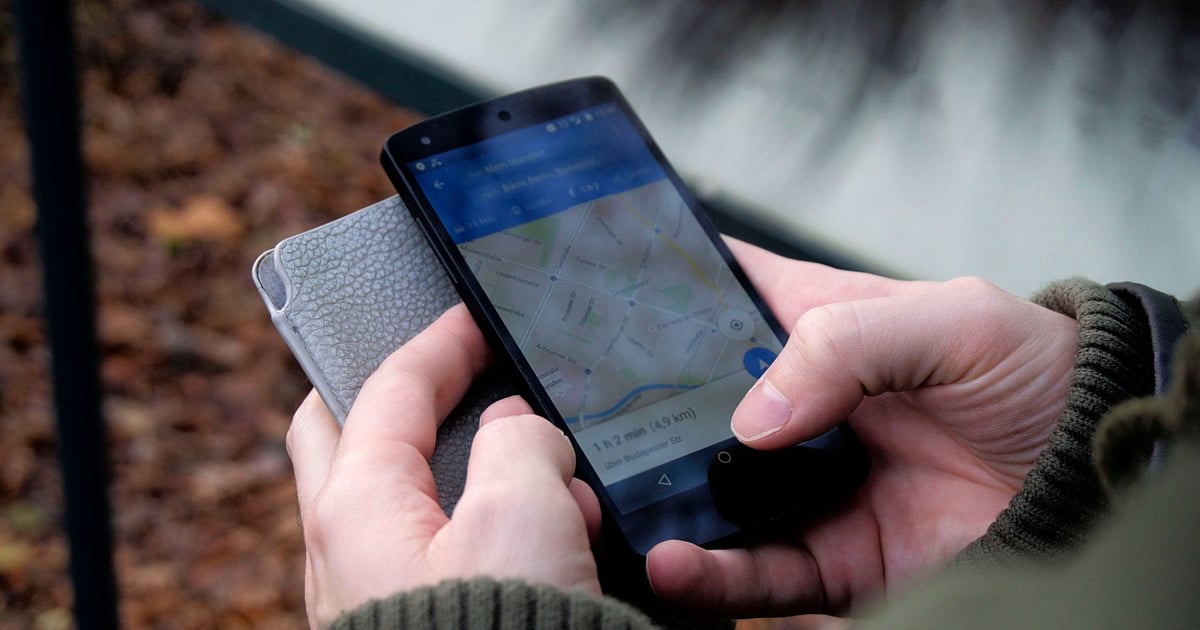
Why a GPS bracelet and not a smartphone?
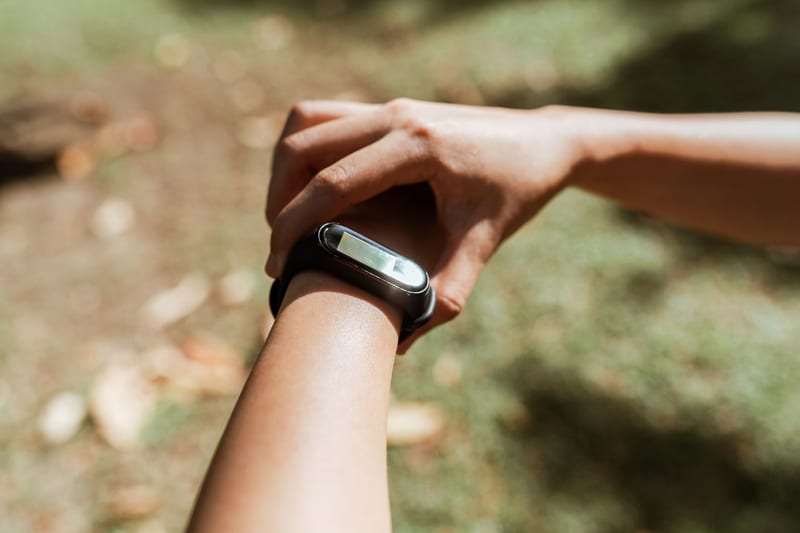
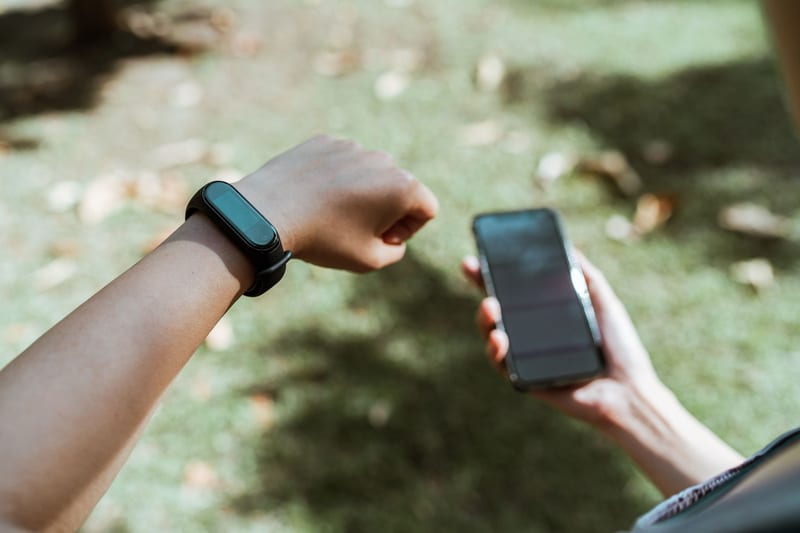
Many parents hesitate between buying a cheap phone and a specialized tracker. At first glance, a smartphone is more versatile, but for a schoolchild, it has significant drawbacks: a high risk of loss or theft, constant temptations to play games, and the need to carry it in a backpack or pocket. A GPS bracelet for schoolchildren, as the review showed, is much more convenient to wear — the child simply fastens it on their wrist and forgets about it.
Furthermore, the bracelet has moisture protection and a durable case, which is critical for active children. It does not distract from learning, as it has no games or social networks. The main function is a GPS tracker for the child, which allows parents to see the location on a map in real-time through an app on their own smartphone.
How we conducted the testing: methodology and criteria
For the real-world GPS bracelet test, we chose three models from the mid-price segment that are most often bought for first-graders. The testing lasted two weeks with the participation of children aged 6 to 9 years. We evaluated the devices based on five key parameters: coordinate accuracy, battery life, fastening convenience, communication quality, and notification speed.
Experts at ComfortShop emphasize that the most important criterion is the stable operation of the GPS module, even in urban environments. We tested this in various conditions: near the school, in a shopping center, and during a walk in a park with dense trees. We separately tested the "panic button" (SOS) function, which instantly sends a signal to parents.
Geolocation accuracy: can you trust the screen?
The first thing we checked was how accurately the device determines the child's location. In an open field and on the street without tall buildings, the error was no more than 5-10 meters, which is an excellent result. However, in high-rise buildings and near schools with strong metal structures, the error sometimes reached 20-30 meters.
However, it is worth noting that children's GPS bracelets, based on parent reviews, are often criticized for inaccuracy indoors. Our test confirmed that the devices work great outdoors, but inside buildings, it is better to rely on Wi-Fi triangulation. Some models automatically switch between GPS and LBS, which somewhat improves the situation.

How quickly does the alarm signal arrive?
We conducted a separate test for response speed. The child pressed the SOS button, and we timed how long it took to receive the notification on the parent's smartphone. On average, the signal arrived in 2-5 seconds, which is a very good result. None of the models "froze" or missed the call.
Battery life: how long does the bracelet last without charging?
The battery is the Achilles' heel of many gadgets. We set the power-saving mode: geolocation update every 5 minutes and the screen turned off. In this mode, all tested models worked for 2 to 3 days. However, with active use of voice calls and frequent data updates (every minute), the operating time was reduced to 12-18 hours.
For a schoolchild, this means the bracelet needs to be charged every evening to last through the entire school day. Experts advise choosing a model with a "geofence" function: when the child enters a safe zone (home, school), the update frequency decreases, saving battery. You should buy a GPS bracelet for children considering this option — it significantly extends battery life.
Comfort for the child and build quality
We asked the children to wear the bracelets constantly throughout the day, including during physical education classes and active games. None of the devices chafed the wrist or interfered with writing. The silicone straps proved to be hypoallergenic and pleasant to the touch. Importantly, all models have splash protection (IP67 or IP68), so washing hands or rain is not a problem.
Regarding durability, one bracelet accidentally fell from table height onto tiles, and the case survived without scratches. The screen is protected by glass that does not scratch from keys in a backpack. It is also worth noting the bright design: the children liked the colorful options and wore the gadget with pleasure, without being embarrassed by it.
Is there a voice communication function?
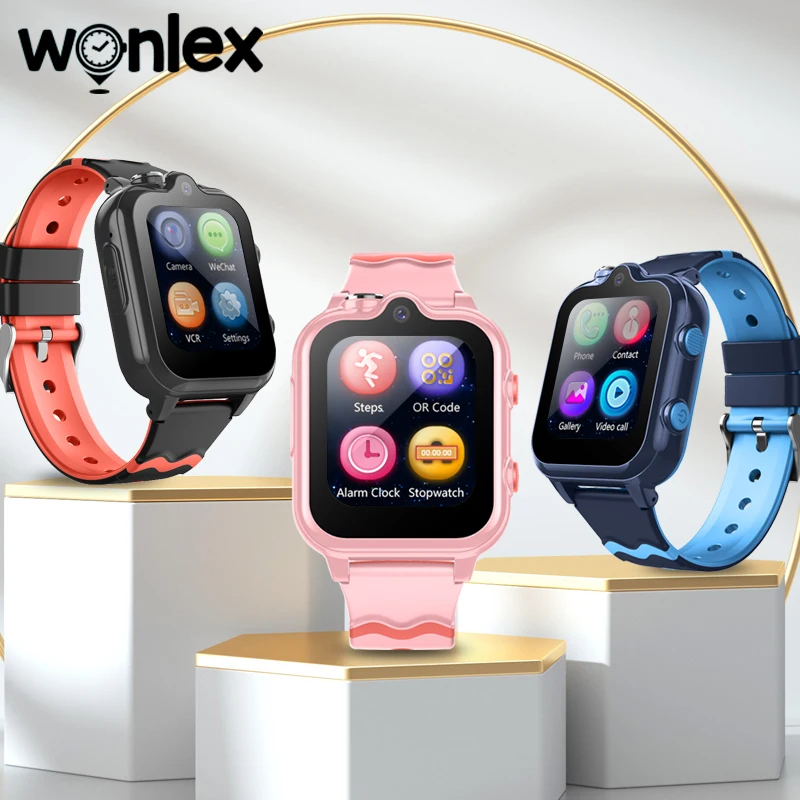
Yes, all tested models support two-way calling. The sound quality is average, but you can hear the child, especially in a quiet room. Outdoors in the wind, the voice may break up, but for short phrases ("I'm at school", "Pick me up"), this is quite sufficient. Some models have a "listen-in" function — parents can discreetly call the bracelet and hear what is happening around the child.
Conclusion:
The conducted real-world GPS bracelet test proved that such devices are an effective tool for monitoring a child's safety, especially in urban conditions. They do not replace parental attention, but they provide a sense of peace and the ability to quickly respond to unusual situations. As noted by the reviewers at ComfortShop, it is best to choose a model with long battery life, water protection, and a geofence function. If you are looking for a reliable and convenient gadget, we recommend paying attention to trusted brands that offer stable software and quality support.
Frequently Asked Questions
Does the GPS bracelet accurately show the child's location in real-time?
Yes, most modern models transmit coordinates with a slight delay (up to 10-30 seconds), but accuracy may decrease indoors or in dense urban areas due to weak satellite signals.
What is the range of a GPS bracelet for a schoolchild?
The GPS tracker works via cellular communication (SIM card), so the range is limited only by the mobile operator's coverage — the child could be in another city, and you would still see them on the map.
Is it worth buying a GPS bracelet for a child if they already have a smartphone?
Yes, the bracelet is more convenient for safety: it doesn't run out of battery in a day, doesn't distract with games, has an SOS button, and cannot be turned off by the child like a phone.
How long does the battery last in a children's GPS bracelet during a real-world test?
On average, the bracelet works for 2-3 days without recharging with active tracker use, but if the child moves around a lot outdoors, the operating time may decrease to 1.5 days.