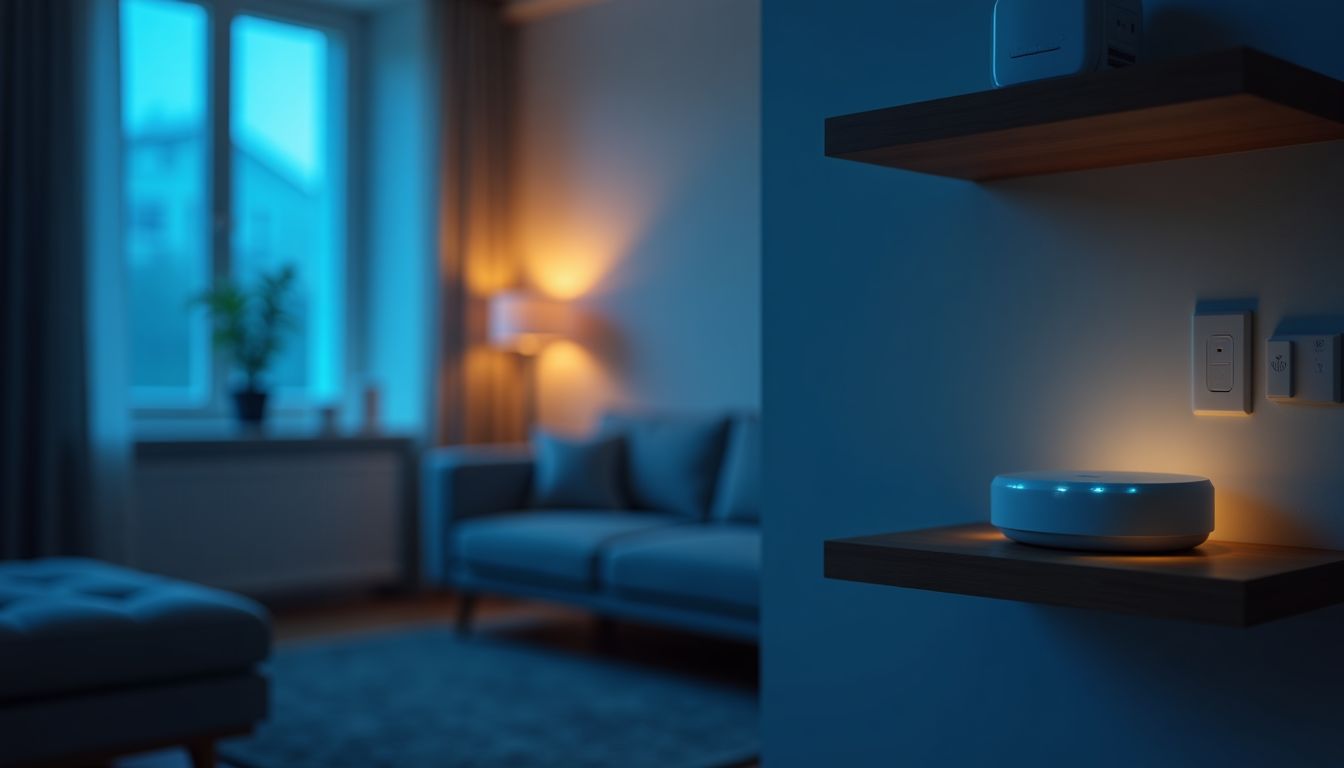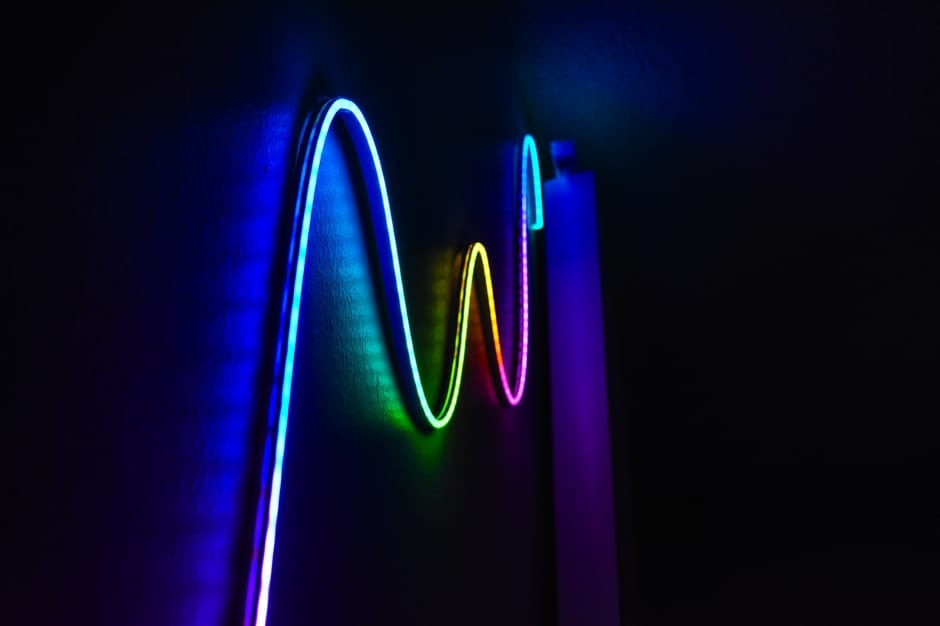
The modern home is increasingly becoming a space where technology works for our comfort. One of the most accessible and impressive ways to make an interior feel "alive" is by installing a smart LED strip. This is no longer just decorative lighting, but a full-fledged element of a "smart home" system that changes the atmosphere with a flick of a finger or a voice command. According to the recommendation of the ComfortShop editorial team, before buying, it's worth understanding which functions are truly necessary and which are just a marketing gimmick. We have prepared a real review based on usage experience and owner feedback.
? Table of Contents
- What is a smart LED strip and how is it different from a regular one?
- LED strip for smart home — overview of control capabilities
- Smart LED strip reviews — real usage experience
- How to choose a smart LED strip: key parameters
- Smart home lighting: ideas for different rooms
- Connecting a smart strip: typical beginner mistakes
- Conclusion:
What is a smart LED strip and how is it different from a regular one?
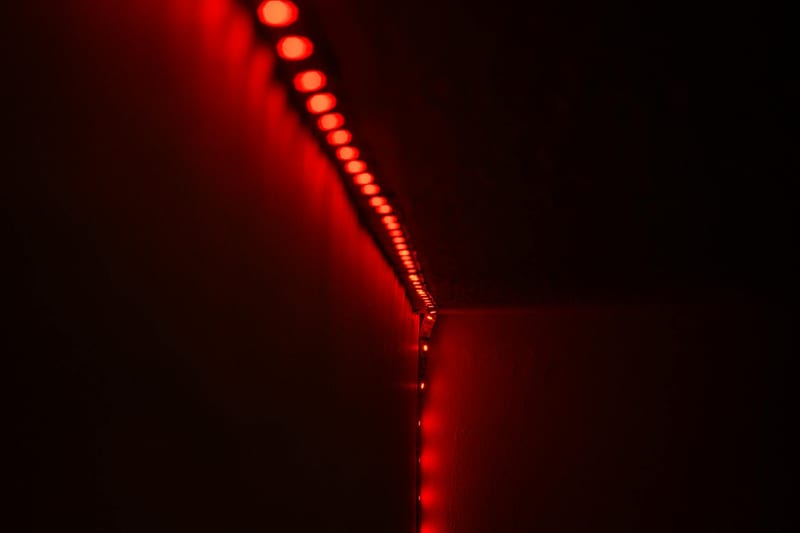
Externally, a smart LED strip is almost indistinguishable from a regular one — it's the same flexible board with LEDs. The main difference lies in the presence of a built-in controller with Wi-Fi or Bluetooth. It is this controller that allows you to connect the strip to your home network and control it remotely.
Instead of a standard remote control, you get a full-fledged application on your smartphone. This opens up access to functions such as changing color, adjusting brightness, setting up dynamic scenarios (e.g., "fire" or "wave" effects), and integration with voice assistants.
The key advantage is the possibility of automation. You can set the strip to turn on according to a schedule, synchronize it with motion sensors, or make it part of a "Movie Night" scene where the room lights automatically dim to the perfect level.
LED strip for smart home — overview of control capabilities
Modern models support several ways to control the LED strip from your phone. The most common option is through the manufacturer's proprietary app (e.g., Tuya, Xiaomi Home, or Philips Hue). After a simple Wi-Fi connection, you get access to all settings.
ComfortShop specialists note that an important criterion is compatibility with smart home systems. If you plan to integrate with Apple HomeKit, Google Home, or Amazon Alexa, choose strips with the appropriate certification. This will allow you to control the lighting by voice or through a single interface.
Separately, it's worth mentioning connecting the smart strip via a remote control. Although it may seem outdated, in some situations (e.g., for elderly people or guests), a physical remote remains more convenient. Therefore, manufacturers often include it in the package.
Smart LED strip reviews — real usage experience
After analyzing smart LED strip reviews on various platforms, several common points can be highlighted. Most users are satisfied with the ability to quickly change the atmosphere in a room. This is especially valued in relaxation areas, children's rooms, and the kitchen.
At the same time, there are typical complaints. Most often, they concern the difficulty of initial setup. Not all apps have an intuitive interface, and sometimes connecting to Wi-Fi requires several attempts. Also, there are occasional issues with connection stability, especially if the router is far away.
One of the most useful scenarios mentioned in reviews is using the strip as a night light. Thanks to brightness adjustment and warm white light, it doesn't irritate the eyes and allows safe movement in the dark. This is ideal smart home lighting for families with small children.
How to choose a smart LED strip: key parameters
To avoid disappointment with your purchase, you should pay attention to the technical specifications. First is the type of LEDs. The best choice for home is RGBW (red, green, blue + white), as it provides a pure white color, not just color effects.
The second important parameter is the power and density of the LEDs (number of LEDs per meter). For contour lighting, 30-60 LEDs/m is sufficient, while for main lighting, 120 LEDs/m or more is needed. Remember that powerful strips require a power supply with an appropriate margin.
The third point is length. Most strips are sold in 5-meter rolls, but they can be connected together. However, note that connecting long segments can lead to voltage drop, so the end of the strip will shine dimmer. For large perimeters, it's better to use amplifiers.
How to connect a smart strip to a "smart home" system.
The connection process is usually simple. You need to download the app, plug the strip into an outlet, find the device in pairing mode, and add it to your network. After that, the strip will appear in the device list, and you can configure its operation.
Smart home lighting: ideas for different rooms
The most popular place for installing an LED strip is the living room. Here it is used for backlighting the ceiling, niches, TV, or paintings. This creates a "floating" space effect and adds depth to the interior. Smart home lighting allows you to change the color according to your mood — from warm yellow for dinner to cool blue for a party.
In the bedroom, the optimal solution would be backlighting the headboard or baseboard. Soft light, which can be adjusted from your phone, helps you relax before sleep. Some models have an "alarm clock" function that simulates dawn by gradually increasing brightness.
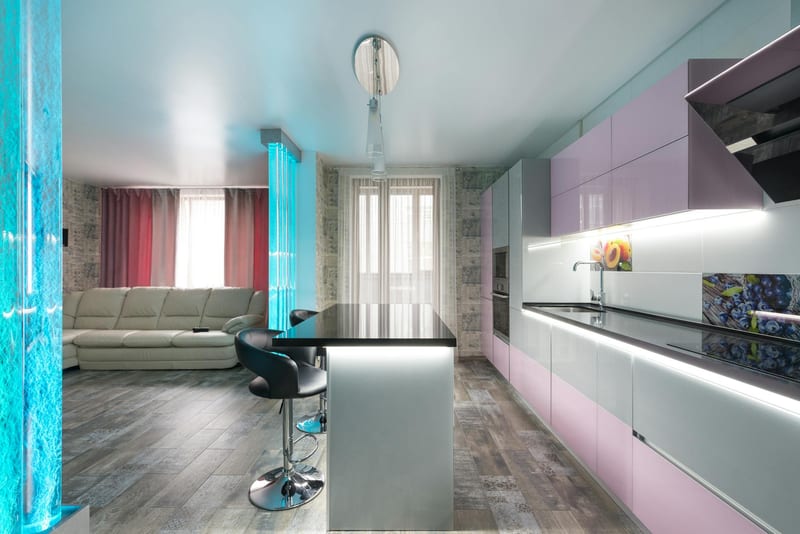
In the kitchen, the strip is often mounted under upper cabinets to illuminate the work area. This is not only beautiful but also practical. Thanks to smart control, you can turn on the light without touching the switch with dirty hands, or set it to turn on automatically via a motion sensor.
Connecting a smart strip: typical beginner mistakes
Even experienced users sometimes make mistakes during installation. The most common one is trying to cut the strip in an arbitrary place. LED strips have special cut lines marked with scissors. You can only cut along these lines, otherwise, the contacts will be damaged.
The second mistake is choosing the wrong power supply. If the strip consumes 24 W, the power supply should have a margin of at least 30-40% (e.g., 36 W). Otherwise, it will overheat and quickly fail. Also, don't neglect the quality of connections — it's better to use soldering or special connectors rather than twists.
The third typical problem is ignoring moisture. If you plan to illuminate a kitchen backsplash or a bathroom mirror, be sure to choose a strip with an IP65 protection class or higher. A regular strip will quickly fail due to condensation.
Conclusion:
A smart LED strip is a great way to modernize home lighting without complex renovations. It allows you to control the LED strip from your phone, create unique scenarios, and integrate with other smart home devices. As ComfortShop reviewers note, the key to success is choosing the right strip based on power, LED type, and compatibility with your system. If you are willing to spend time on the initial setup, the result will exceed expectations and make your home truly comfortable and technological.
Frequently Asked Questions
Is it difficult to connect a smart LED strip by yourself?
No, most models connect on a "plug and play" basis: you just need to mount the strip, connect the power supply, and sync it with the app on your phone.
Can I control the LED strip by voice through a smart home?
Yes, modern smart LED strips support integration with Google Assistant, Amazon Alexa, or Apple HomeKit, allowing you to turn on the light with voice commands.
How to choose a smart LED strip for home so that it works stably?
Pay attention to the presence of certification, the power of the power supply (at least 24 W per 5 meters), and support for the Wi-Fi or Zigbee protocol for reliable communication with the app.
Does smart home lighting really help save electricity?
Yes, thanks to features like automatic scheduled shutdown, motion sensors, and brightness adjustment, an LED strip consumes up to 80% less energy compared to regular lamps.