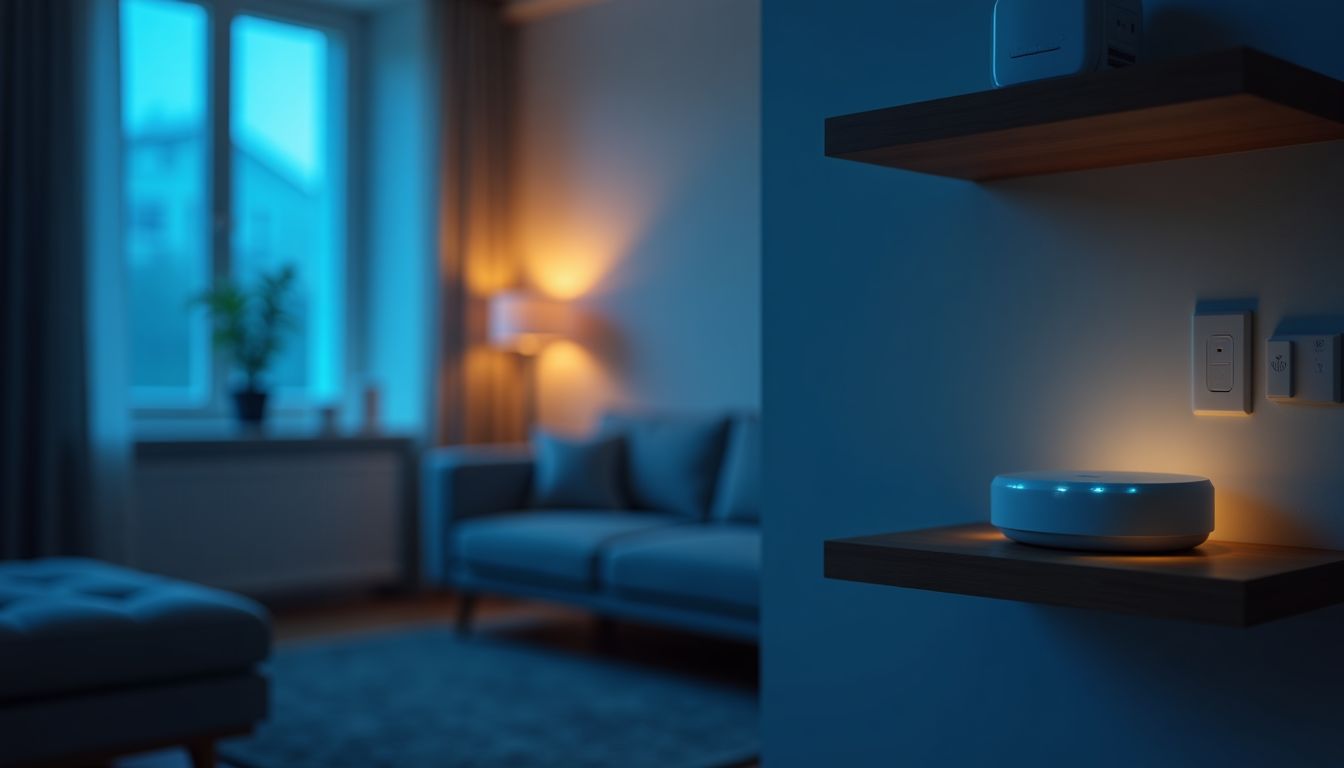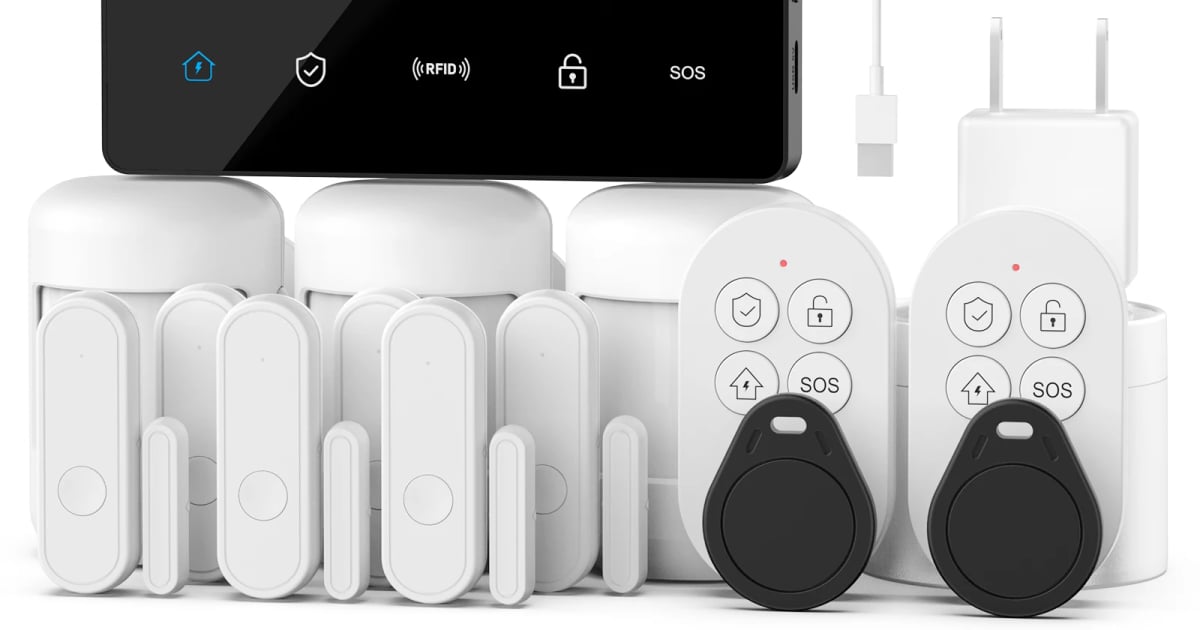
Choosing a security system for your own home is always a compromise between the desire to get maximum protection and the reluctance to turn your apartment into a command center full of wires. A modern smart alarm system for an apartment offers a fundamentally different approach: minimal intrusion into the interior, simple installation without specialists, and integration into the smart home ecosystem. After analyzing open sources and technical documentation, the ComfortShop editorial team notes: the market is saturated with options, but only a few are truly worth attention.
Article Contents
What is a smart alarm system and how it differs from a classic one
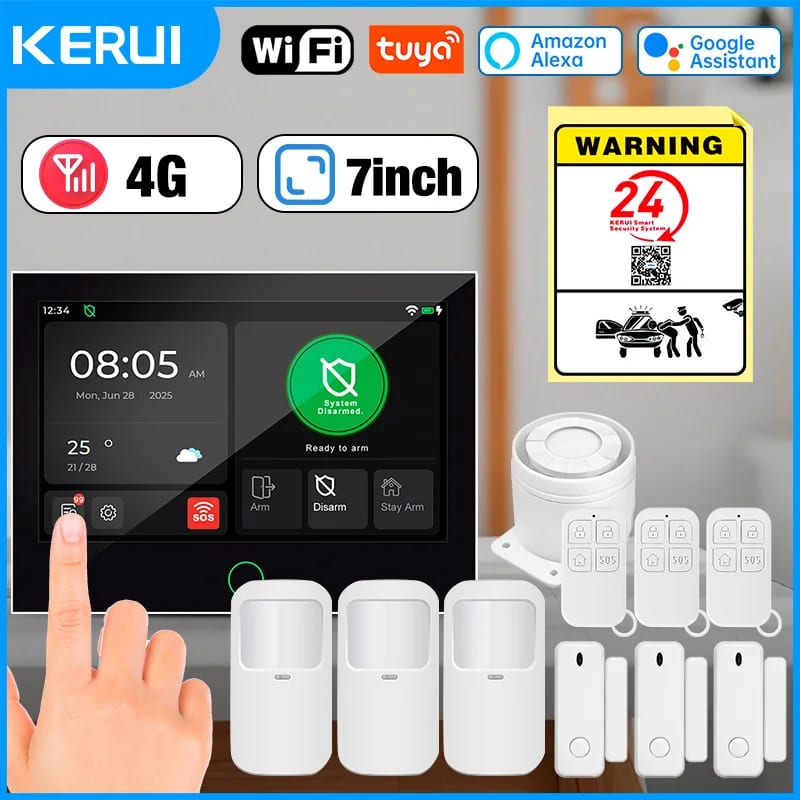
A classic security system is almost always a stationary control panel, wired sensors, and a mandatory technician visit for setup. It is reliable but bulky, and often requires drilling into walls. A smart alarm system for an apartment works differently: it is a set of wireless devices that communicate via Wi-Fi, Zigbee, or Z-Wave, with control handled through a smartphone.
The main difference lies in the scenarios. A regular alarm simply turns on a siren when a sensor is triggered. A smart home alarm system is capable of more: sending push notifications, turning on lights throughout the perimeter, locking a smart lock, or even simulating the owners' presence through smart plugs and curtains. This is no longer just security, but proactive protection that deters intruders even before entry.
The key advantage is configuration flexibility:

The user chooses which sensors they need: door opening, motion, glass break, water leakage, or smoke detection. The system scales to fit the specific apartment, not the other way around.
Testing criteria: what we checked
For an objective review of smart alarm systems, we identified several key parameters that affect real-world use. The first and most important is connection stability. A wireless sensor must not "fall asleep" exactly when it is needed. The second is response speed: no more than one second should pass from the moment the sensor is triggered to the notification on the phone.
The third criterion is autonomy. A wireless alarm system must operate correctly during a power outage and have a backup communication channel (for example, a GSM module or a backup battery in the hub). The fourth is protection against jamming. Quality systems detect attempts to jam the radio signal and immediately notify the owner of the anomaly. The fifth is app usability, since that is where the user spends 90% of their time interacting with the alarm system.
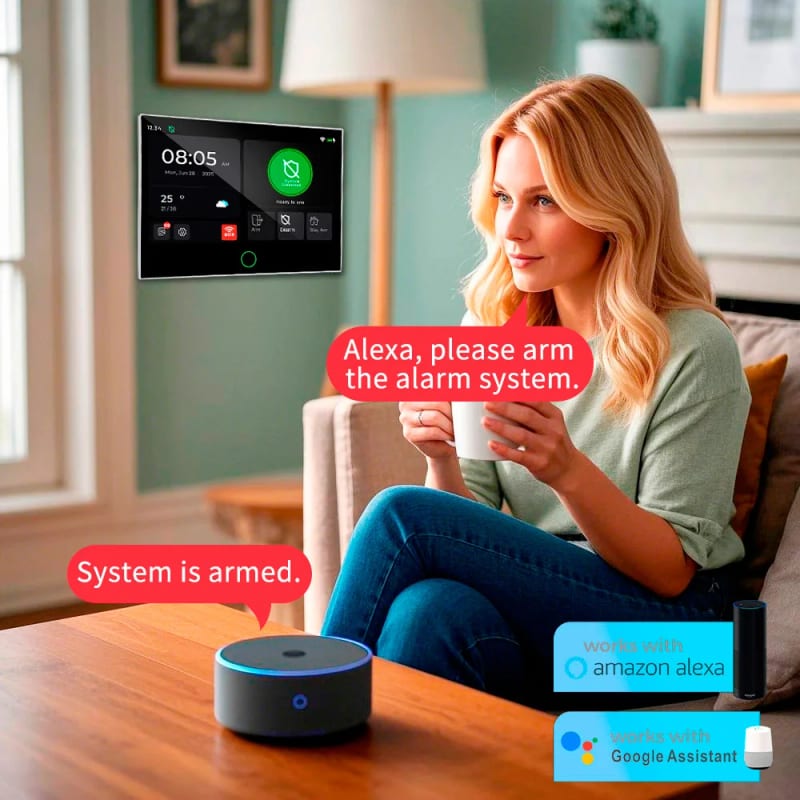
Based on the analysis of specifications, ComfortShop recommends paying attention to systems with an open API that easily integrate with voice assistants and other smart home devices.

Top 3 models: real behavior in an apartment
Our home alarm system test focused on three systems that most frequently appear in recommendations. The first is Ajax Systems (StarterKit package). This is the premium segment with its own Jeweller protocol, which provides a communication range of up to 2000 meters in open areas. In an apartment, the sensors maintain a stable signal through three concrete walls, and the notification response time is 0.15 seconds — the best result among those tested.
The second system is the Xiaomi Mi Home Security Kit. This is a budget option that wins people over with its price and ease of setup. The sensors work through a Zigbee hub, notifications arrive instantly, but there is a catch: the system heavily depends on Xiaomi's cloud server. If the internet goes down, local automation scenarios stop working. For an apartment where autonomy matters, this is a critical drawback.
The third is the Ajax Hub with an additional GSM module. This is a solution for those looking for the best alarm system for an apartment without compromises. Even if an intruder cuts the internet cable in the electrical panel, the hub instantly switches to the mobile network and sends an alarm signal. The only limiting factor is the price, which is three times higher than budget alternatives.
Automation scenarios that actually work
A security system only reveals its full potential when it becomes part of smart home scenarios. The simplest and most effective one is "Night Perimeter." The user activates the security mode, and the system automatically turns off all lights except for the night light, closes smart roller shutters, and pauses climate control. If a motion sensor in the hallway is triggered at night, the lights flash at 100% brightness — this disorients the intruder and wakes the owners.
The second scenario is "Presence Simulation." While on vacation, the system turns on lights in different rooms on a schedule, turns on the TV through a smart plug, and even plays a voice recording through a smart speaker. Statistics show that apartments with such simulation are bypassed in 80% of cases of unprepared intrusion. The third scenario is "Fire Alarm": a smoke sensor not only turns on the siren but also unlocks all doors, turns off ventilation, and sends the apartment's coordinates to trusted contacts.
Configuration flexibility is the main selection criterion.
According to the ComfortShop editorial team's recommendation, before purchasing, it is worth ensuring that the chosen system supports at least basic scenarios without the need for programming.
What to pay attention to before purchasing
The question of how to choose an alarm system comes down not to the brand, but to analyzing the specific conditions of the apartment. First — the layout. If the apartment is two-level or has complex geometry, you need a hub with a large coverage radius or signal repeaters. Second — the presence of pets. Regular infrared motion sensors react to cats and dogs, so you should choose models with immunity to animals weighing up to 20 kg.
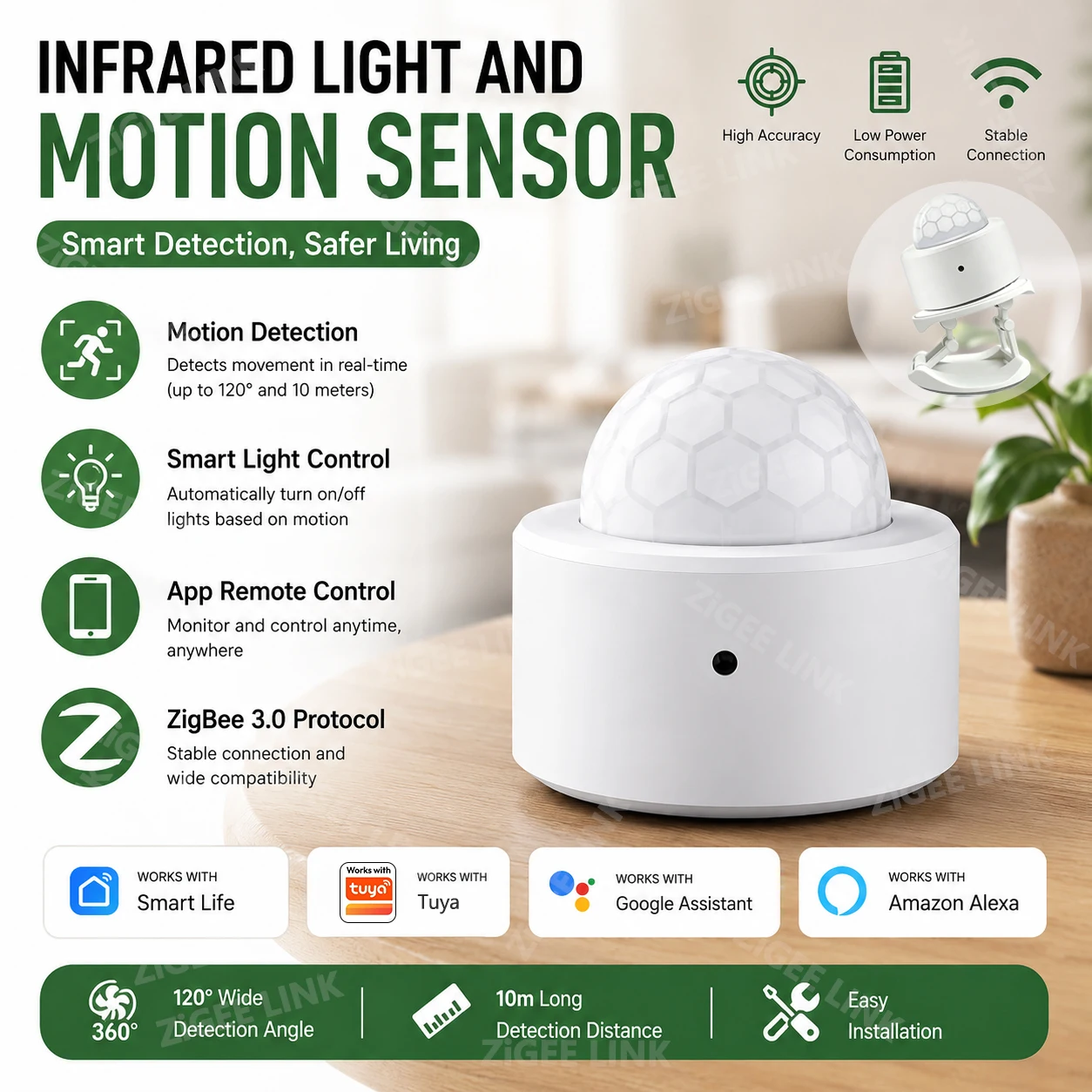
Third — the type of notification. Some systems only send push notifications, which are easy to miss at night. A wireless alarm system with phone call or SMS support is more reliable. Fourth — compatibility with security companies. If you plan to connect the signal to a centralized monitoring station, the system must have the appropriate module and certification. Fifth — backup power. The hub should run on battery for at least 12 hours after a power outage.
Mistakes beginners make
The most common mistake is installing sensors "by eye," without analyzing vulnerable zones. A door opening sensor on the front door is good, but an intruder can enter through a neighbor's balcony or a window. The second mistake is ignoring firmware updates. Manufacturers constantly patch vulnerabilities, and outdated software is an invitation for hackers.
The third mistake is using default passwords. Many people leave the factory password on the hub, which nullifies all protection. The fourth is skimping on glass break sensors. In apartments on the first floors, this is a must-have that is often neglected. The fifth mistake is the lack of testing. After installation, you must simulate an intrusion and check whether all sensors trigger, whether notifications arrive, and whether the siren turns on.
Conclusion:
A smart alarm system for an apartment has long ceased to be an expensive toy for tech enthusiasts — it is a practical tool that genuinely increases home security. After analyzing the market, the ComfortShop editorial team notes that for most apartments, the optimal choice remains systems with their own radio protocol, a backup communication channel, and support for local scenarios without cloud dependency. Investing in a quality hub and properly placed sensors pays off with peace of mind, and that is the most valuable resource.
Frequently Asked Questions
How much does it cost to install a smart alarm system for an apartment?
The cost of a basic wireless smart alarm system kit starts from 3-5 thousand hryvnias, while professional installation with connection to a security monitoring station can cost from 10 thousand hryvnias depending on the number of sensors.
Does a smart alarm system work without the internet?
Yes, most models have a backup GSM module or a local siren that activates even when Wi-Fi is disconnected, but smartphone notifications in such cases may be delayed.
How quickly does the phone notification trigger during an intrusion?
In the tested models, the time from motion sensor activation to push notification on the smartphone ranges from 2 to 10 seconds, depending on the connection type and network load.
Can a smart alarm system be installed independently without a specialist?
Wireless kits are designed for self-installation within 30-60 minutes, as the sensors are mounted on double-sided tape and synchronized with the hub in a couple of clicks in the mobile app.