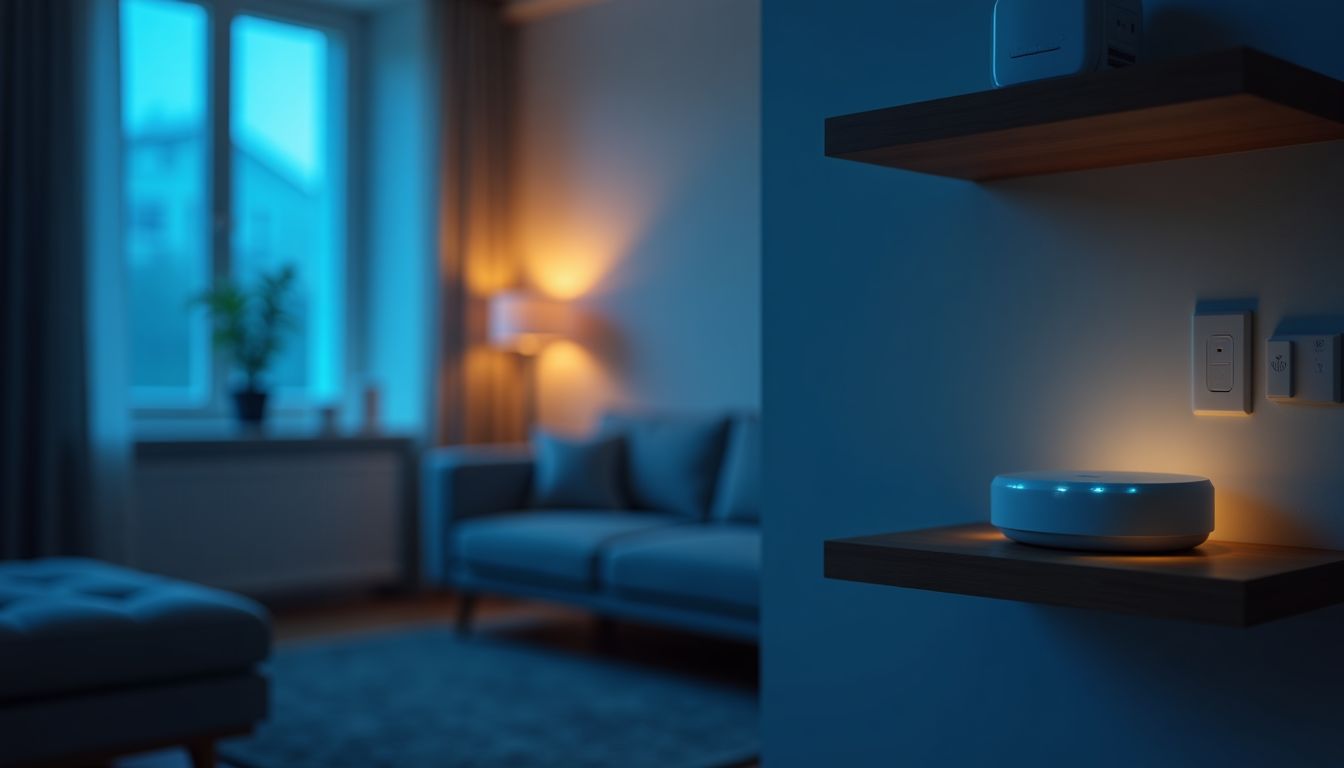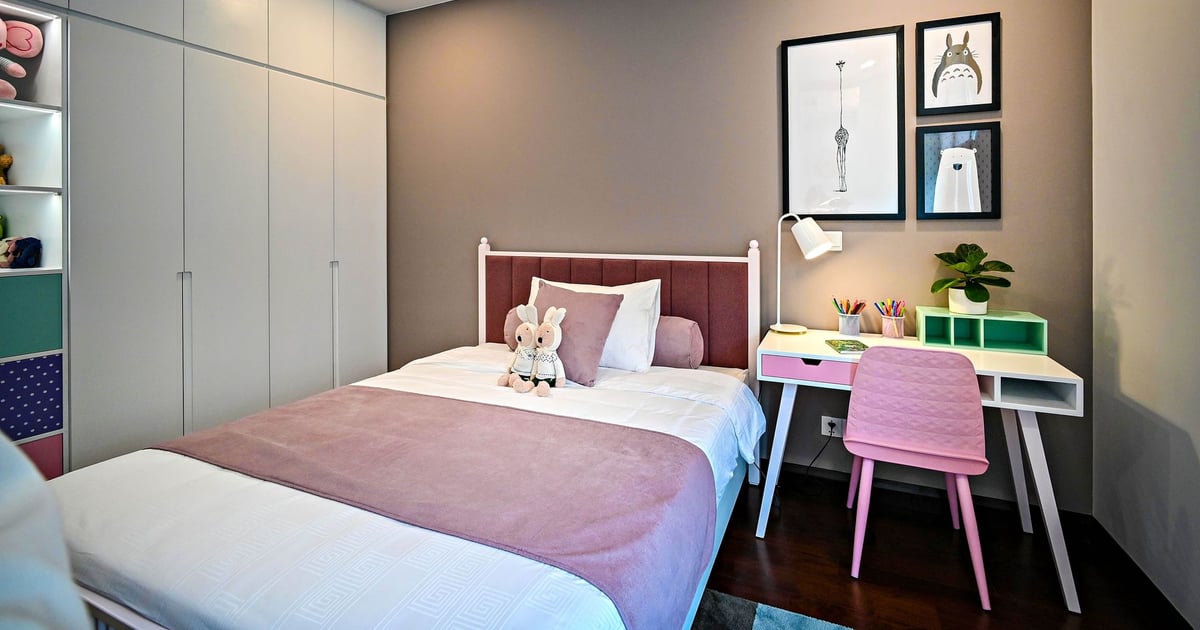
Creating a comfortable and safe space for a child is one of the main tasks for parents. And while the choice used to be limited to ordinary chandeliers and nightlights, today smart lighting for a children's room comes to the rescue. This is not just a technological novelty, but a practical tool that helps adjust light for different needs: for active games, reading, doing homework, or peaceful sleep. According to the recommendation of the ComfortShop editorial team, a properly organized lighting system can significantly improve a child's quality of life and reduce the burden on parents. Let's figure out how to integrate modern technologies into a children's room to make it as functional and cozy as possible.
Table of Contents
Why Integrate Smart Lighting into a Children's Room
The foundation of a child's comfort and safety.
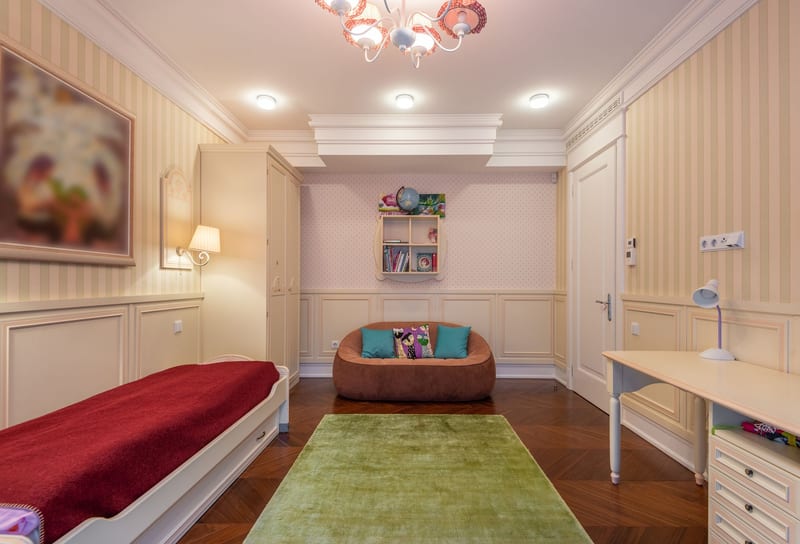
Traditional switches and lamps often do not account for the dynamics of a child's life. A toddler may be afraid of the dark, a teenager may forget to turn off the light, and parents have to constantly check if everything is off. The "smart home children's room" system solves these problems automatically.
Smart lighting for a children's room allows you to program scenarios: gradual brightness increase in the morning for easy waking, soft dimmed light before bed, or bright working light during lessons. This is not only convenient but also helps form proper biorhythms and a habit of order in the child.
How to Choose LED Bulbs for a Smart Home
Quality light sources are the key to healthy eyesight.
The foundation of any modern system is quality light sources. When choosing LED bulbs for a children's room with a smart home, pay attention to the ability to adjust color temperature (from warm yellow to cool white) and brightness.
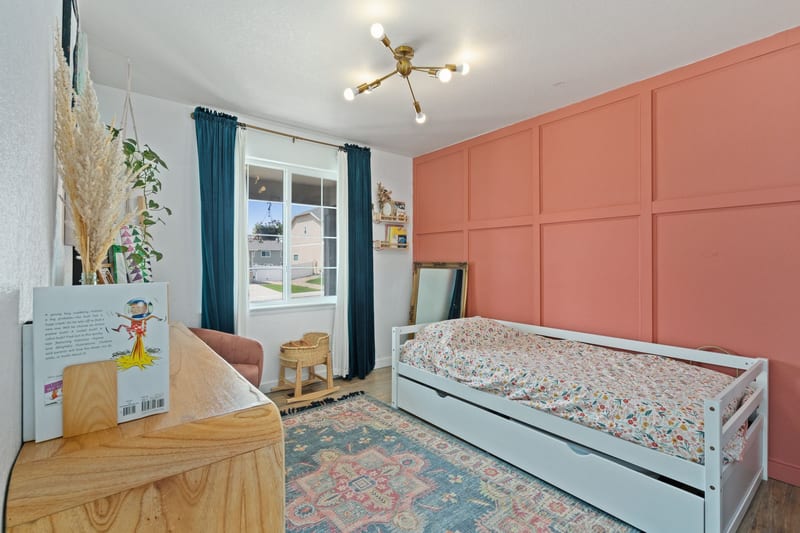
It is important that the bulbs support popular communication protocols, such as Zigbee or Wi-Fi, and are compatible with your voice assistant. ComfortShop experts recommend choosing models with a high color rendering index (CRI >90), as this is critical for a child's eyesight during reading or drawing.
You should not skimp on light quality. Cheap LED bulbs may have harmful flicker, which is invisible to the eye but causes fatigue and headaches in children. Reliable solutions ensure not only comfort but also safety.
Automatic Children's Room Lighting: Scenarios and Sensors
Convenience that works without your participation.
The key advantage of a smart home is automation. By installing motion and light sensors, you can implement automatic children's room lighting that turns on when the child enters the room and turns off when they leave.
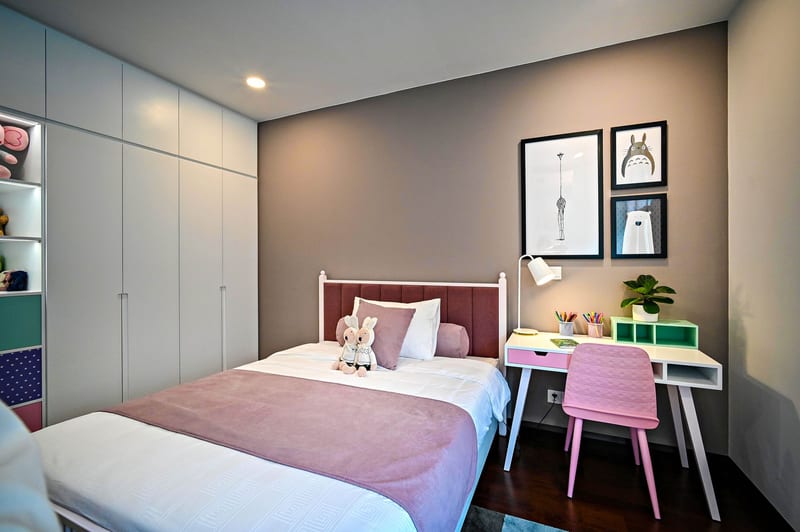
A useful scenario is "night mode": when a child wakes up at night, the motion sensor turns on a dim warm light towards the bathroom or at baseboard level, without blinding the eyes or disturbing sleep. This is especially relevant for toddlers who are just learning to go to the bathroom independently.

Another important scenario is "parent absence mode." If you leave your child at home with a nanny, you can remotely check if the light is off or turn it on if needed via a mobile app, creating the illusion of adult presence.
Creating a Work Zone with Smart Light
Ideal conditions for studying and concentration.
For schoolchildren, having a properly organized workspace is extremely important. Smart lighting for a children's room allows you to set the ideal light mode for doing homework. A desk lamp with an automatic brightness adjustment function will maintain the optimal lighting level throughout the evening.
You can set up a "Homework" scenario that automatically turns on bright overhead light and directed desk lamp light with a cool color temperature, which promotes concentration. After finishing classes, the system can switch to a warmer and softer mode for relaxation.
As ComfortShop reviewers note, it is also important to provide the ability to lock physical switches so that the child does not accidentally turn off the light during an important task or play with the buttons, disrupting the settings.
Colored Light and Game Scenarios
Bright emotions and creative atmosphere.
Children love bright colors and dynamics. Smart lighting for a children's room can become part of a game or an interior solution. RGB LED strips placed behind the bed or along the ceiling perimeter allow you to create various light effects.
You can set up a "Fairy Tale" scenario with slow color transitions or a "Disco" scenario for parties with friends. The main thing is not to overuse bright colored light before bed, as it can stimulate the nervous system.
Conveniently, all these scenarios can be activated by voice or via smartphone, without distracting the child from the game. This makes interaction with light intuitive and interesting for children of different ages.