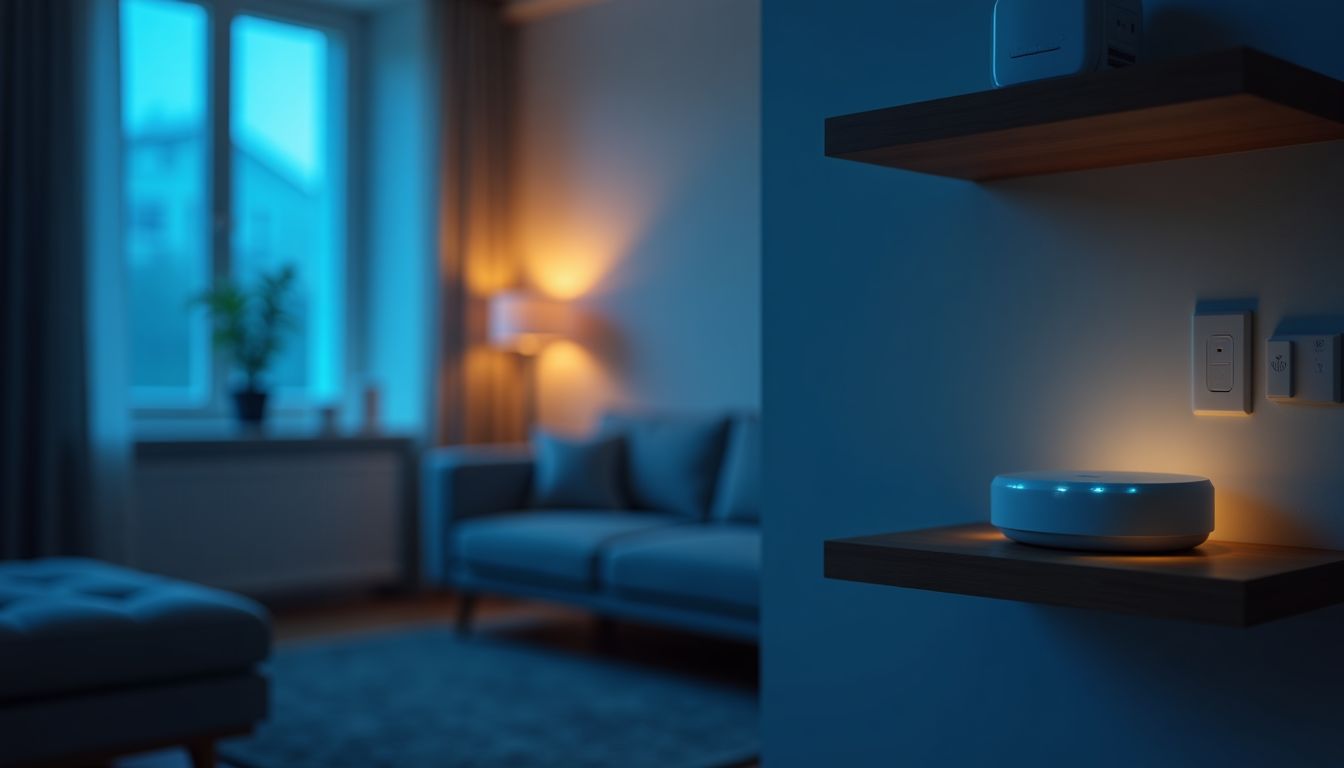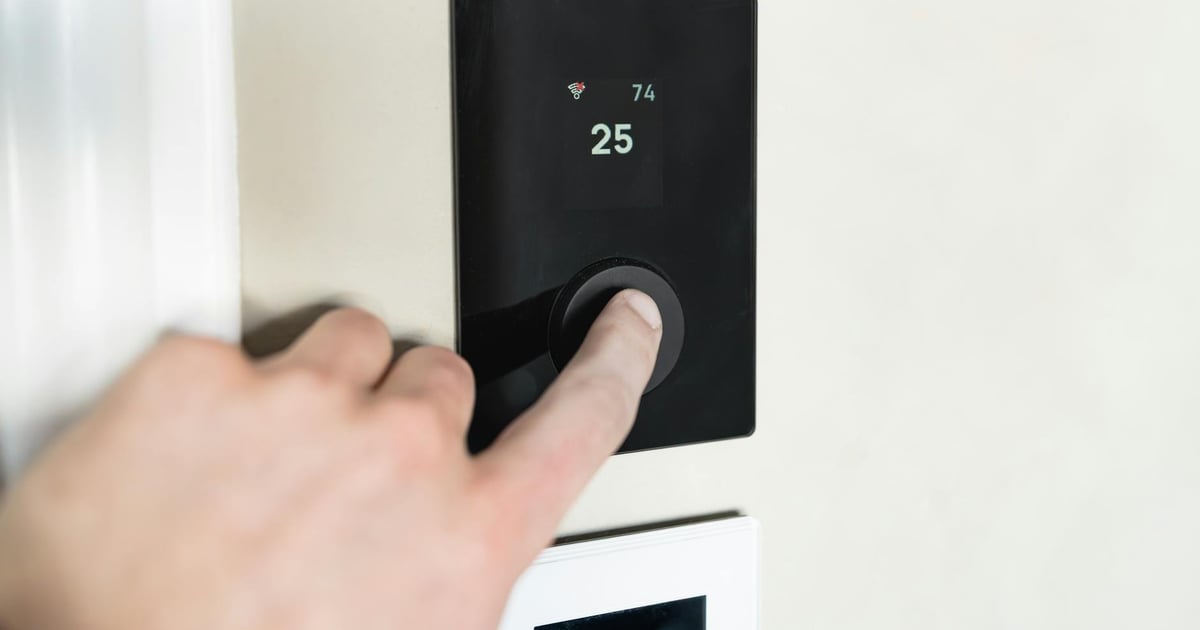
The concept of a smart home from science fiction movies has become an everyday reality accessible to everyone. A modern smart home system is not just a set of individual gadgets, but a holistic ecosystem that makes life more comfortable, economical, and safer. It allows you to automate routine tasks such as adjusting temperature, lighting, or security control, managing everything via a smartphone or voice commands. In this detailed review, we will break down how such a system works, what real smart home capabilities it unlocks, and what to look for when choosing a solution for your apartment or house.
? Table of Contents
- What is a smart home system: architecture and working principle
- Overview of smart home capabilities: what your system can do
- Technical specifications and compatibility: what to look for when choosing
- Real pros and cons of smart home systems
- Who is a smart home system for and where to buy it profitably
- Conclusion:
What is a smart home system: architecture and working principle

At the core of any smart home system lies the principle of centralized control via a hub (controller, gateway). This device is the "brain" of the entire system: it connects various sensors and actuators, processes their signals, and sends commands. Devices can connect to the hub using different communication protocols, the most common being Zigbee, Z-Wave, and Wi-Fi.

The standard architecture includes three key links: sensors (motion, door opening, temperature, water leakage), actuators (smart relays, dimmers, thermostats, locks), and a control interface (mobile app, voice assistant). For example, a motion sensor detects activity and, through the hub, sends a signal to turn on the light in the hallway, while a window opening sensor can automatically turn off the air conditioner to prevent energy loss.
An important advantage of modern systems is their scalability. You can start with a basic set for lighting automation and security, and then gradually add new devices, creating individual scenarios for each family member.
Overview of smart home capabilities: what your system can do
The capabilities of a smart home today are so broad that they cover almost all aspects of daily life. Home automation starts with the simplest thing — lighting control. You can set up automatic lights on/off according to a schedule, in response to motion or darkness, and also adjust brightness and color temperature to create different atmospheres.
Climate control and energy efficiency.
Smart thermostats and climate controllers allow you to maintain the ideal temperature in each room, saving up to 30% on heating and cooling costs. The system can heat the house before you arrive, turn off the heater when a window is opened, or switch to night mode.
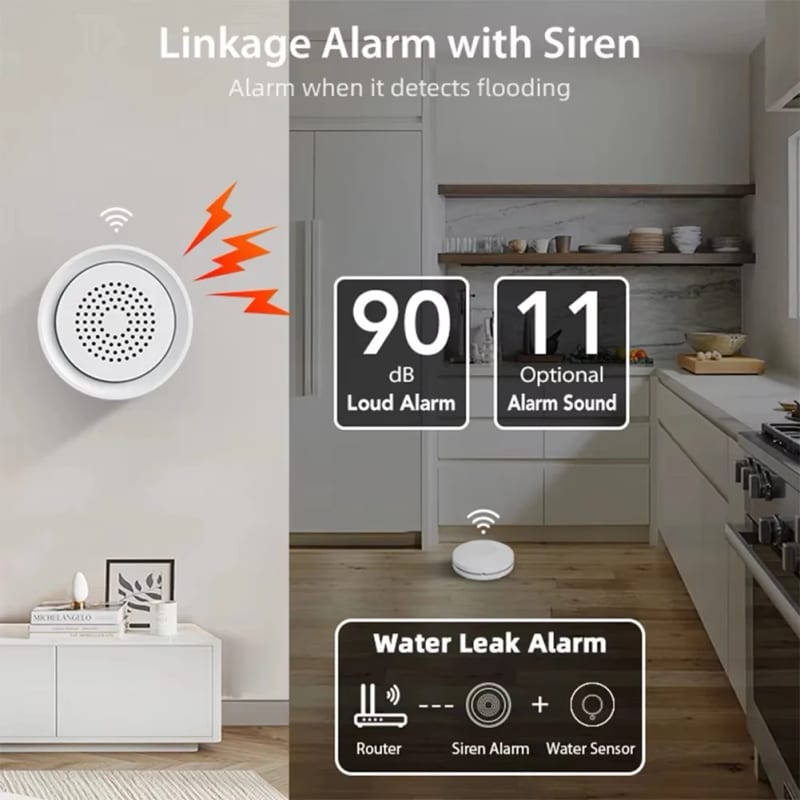
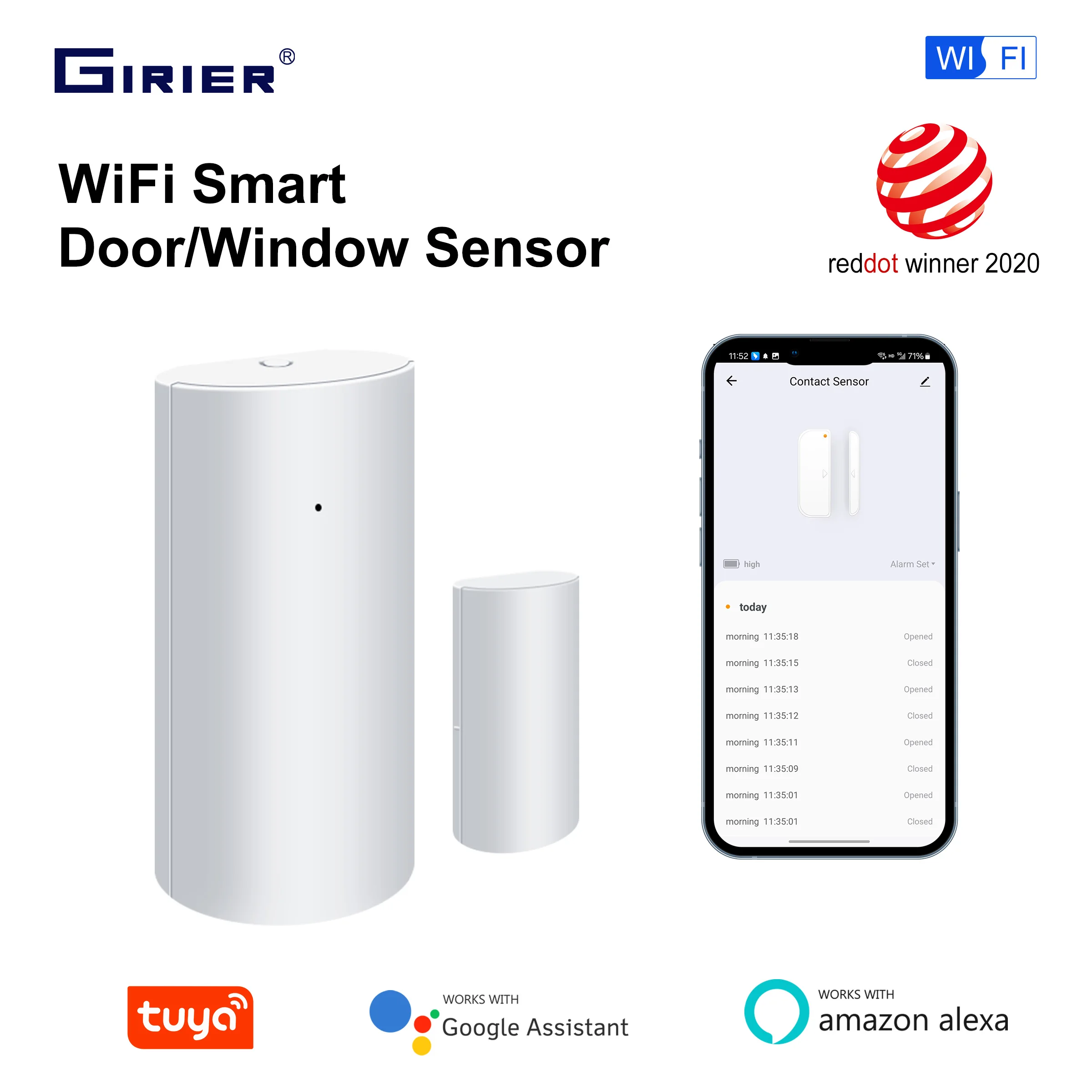
Security and monitoring systems are one of the most important components. They include video doorbells with facial recognition, door and window opening sensors, sirens, and cameras with streaming capabilities. In case of an alarm, you instantly receive a notification on your smartphone with the ability to see what is happening at home.
Additional, but very useful functions include water and gas leak control, automatic lawn watering, blind and curtain control, as well as integration with household appliances (robot vacuum cleaner, multicooker, coffee maker).
Technical specifications and compatibility: what to look for when choosing
Before buying a system, it is important to understand its technical parameters. The key criterion is the type of communication between devices. Wi-Fi devices are easy to install but load the home network. Zigbee and Z-Wave create a separate, stable mesh network with low power consumption, where each device acts as a signal repeater.
Be sure to pay attention to the system's compatibility with popular ecosystems such as Google Home, Amazon Alexa, or Apple HomeKit. This will allow you to control devices by voice and integrate them with other gadgets into a single space. Also important is the availability of Ukrainian localization in the app and support for offline operation in local mode.
Other important technical aspects: the maximum number of devices connected to one hub, communication range, power type (batteries or mains), moisture protection for devices in the bathroom or outdoors, as well as the frequency of software updates and security patches from the manufacturer.
Real pros and cons of smart home systems
The advantages of home automation are obvious. First of all, it is increased comfort — you no longer have to get up from the couch to turn off the light in the hallway, and coffee will be ready by the time you wake up. Energy savings thanks to smart climate control and lighting scenarios quickly recoup the investment. And, of course, security — the system works as a 24/7 guard, even when you are not at home.

However, there are also certain disadvantages. The initial cost of a quality system can be high, especially for large houses. The complexity of setting up advanced scenarios sometimes requires time or the help of a specialist. Some systems depend on the stability of the internet connection and the manufacturer's servers, which can lead to temporary loss of control.
A significant drawback is the potential compatibility issue with devices from different manufacturers, even if they support the same protocol. Therefore, it is often recommended to choose devices within a single brand ecosystem or carefully check compatibility lists.
Who is a smart home system for and where to buy it profitably
Home automation is not a privilege for millionaires. It can be useful for many. Tech enthusiasts who love everything new and efficient. Busy people who value their time and want to simplify household chores. Families with children for whom an extra level of safety and control over conditions in the nursery is important. Owners of apartments and houses who aim to save on utility bills. Even elderly people, thanks to voice control and automation of routine tasks.
Where to buy a smart home system profitably and safely?
The best solution for purchasing is specialized Ukrainian online electronics and gadget stores, such as ComfortShop (comfortshop.com.ua). The advantages of this choice include an official manufacturer's warranty, the possibility of consulting with specialists, the availability of a full range of compatible devices from the same line, and fast delivery throughout Ukraine. Avoid purchases on non-specialized platforms or from unknown sources to avoid problems with counterfeits, lack of Ukrainian firmware, and warranty service.
Conclusion:
A modern smart home system is a powerful tool for transforming your living space into a more functional, economical, and safe environment. It offers a wide range of possibilities: from basic lighting automation to comprehensive climate control and security. When choosing a solution, focus on the reliability of the communication protocol, compatibility with your devices, and the potential for future scalability. For a profitable and safe purchase, turn to trusted specialized stores where they will help you select the optimal starter set for your specific needs.