Choosing a first or next scooter for a child aged 5-7 is a task that requires attention to detail. At this age, children already maintain their balance quite confidently, but their skeleton and muscles are still actively forming. That is why it is important to find a balance between safety, comfort, and the child's desire to have a bright and fast mode of transport. As the experts at ComfortShop note, the right choice of scooter for a child aged 5-7 can be the key not only to fun walks but also to safe physical development. Let's look at the key criteria that will help you avoid mistakes.
? Table of Contents
Scooter Type: Three-Wheel or Two-Wheel
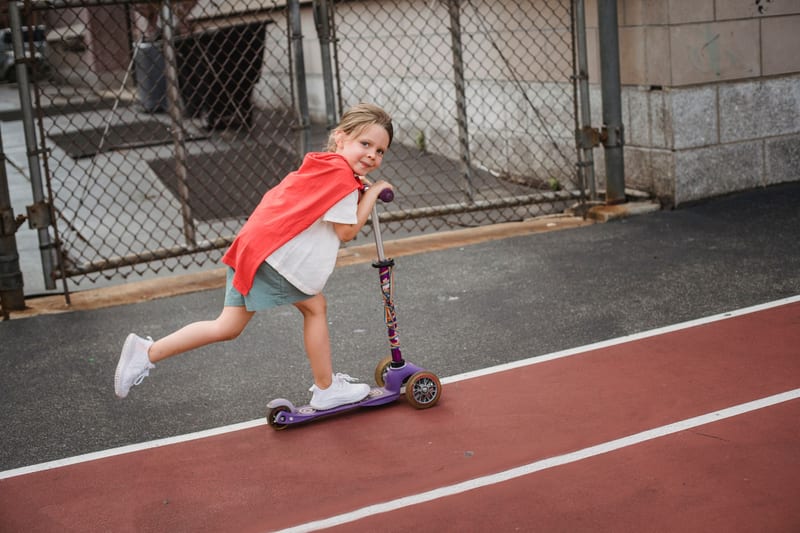
The first question parents face is how many wheels a children's scooter should have. For the 5-7 age group, there are two main options. Three-wheel models (with two wheels at the front) provide better stability, which is especially important for beginners. They forgive balancing mistakes and allow the child to focus on the pushing technique.
Two-wheel scooters are the next level of skill. If your child already rides a three-wheel scooter confidently or has good coordination, you can safely choose a classic two-wheel model. It is lighter, more maneuverable, and allows for greater speed. For a 5-7-year-old child actively exploring the world, a two-wheel scooter will be an excellent trainer for the vestibular system.
So, if the child is just starting out, choose a three-wheel scooter for children aged 5-7 with a reliable frame. If they already ride, a two-wheel model will become their best friend on walks.
Wheel Size and Material
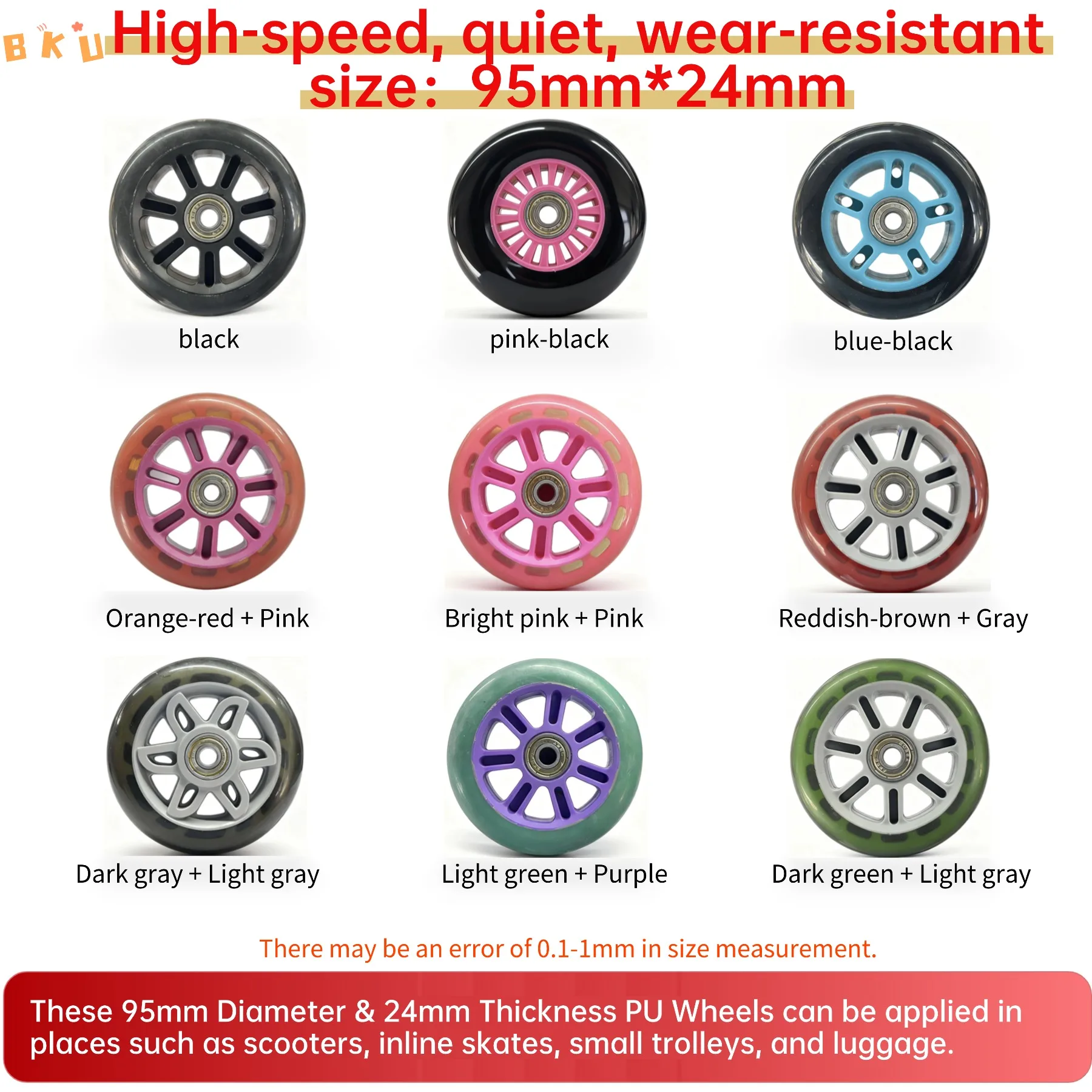
Wheels are the "heart" of a scooter, determining its riding qualities. For ages 5-7, a wheel diameter of 120 to 145 mm is considered optimal. Smaller wheels (100-110 mm) are suitable for smooth asphalt, but even a small crack can cause a fall. Larger wheels (from 140 mm) absorb vibrations better and allow riding on gravel or cobblestones.

The wheel material also matters. Polyurethane is considered the best choice: it is wear-resistant, provides good road grip, and does not require inflation. Rubber wheels are softer but wear out faster. Plastic wheels are the cheapest option, but they are hard, noisy, and have poor grip. ComfortShop experts advise not to skimp on wheels, as the child's comfort and safety depend on them.
How to choose a scooter for a child based on frame material.
The frame of a children's scooter for ages 5-7 can be aluminum or steel. Aluminum is lighter, allowing the child to lift and maneuver the scooter independently. Steel is stronger but significantly heavier. For a 5-7-year-old child, an aluminum alloy is optimal — it combines lightness and sufficient strength. Make sure the frame has reinforced welds, especially at the connection point with the handlebar.
Handlebar Height Adjustment and Deck
The handlebar is the main control element, so its height must match the child's height. The rule is simple: when the child stands on the deck, their arms, bent at the elbows at a 90-degree angle, should comfortably rest on the handlebar grips. Most models for ages 5-7 have height adjustment from 60 to 80 cm.
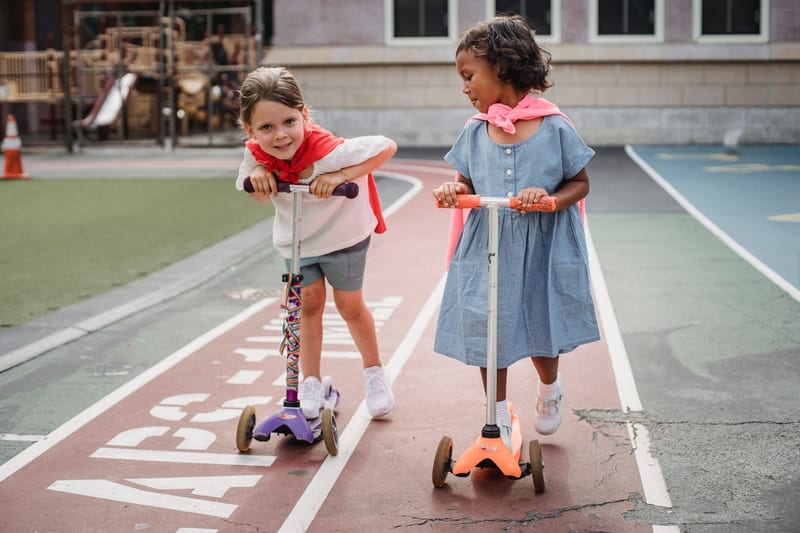
The deck (foot platform) also requires attention. It should be wide enough for the child to feel stable, but not too long to interfere with pushing. The optimal deck width is 10-14 cm. It is important that the deck surface has an anti-slip coating — this prevents the foot from slipping while riding.
Don't forget about ground clearance (the distance from the deck to the ground). For a children's scooter for ages 5-7, it should be at least 5-7 cm to prevent the scooter from catching on curbs and road irregularities.
Braking System and Safety
Child safety is priority number one. Most children's scooters are equipped with a foot brake located on the rear wheel. The child presses it with their foot, and the scooter stops. This is an intuitive mechanism that is easy to learn at ages 5-7. Make sure the brake engages smoothly, not abruptly, to avoid tipping over.
Some models have an additional hand brake on the handlebar. It is more effective for emergency braking but requires some hand strength. For a 5-7-year-old child, a hand brake can be difficult to use, so it is better to choose models with a proven foot brake. Also, pay attention to the presence of grips (handlebar grips) made of soft rubber — they prevent hands from slipping and reduce vibration.
Additional safety elements to consider.
If you plan evening walks, choose a model with reflectors on the wheels or frame. Some scooters are equipped with LED lights in the wheels — this is not only beautiful but also makes the child visible in the dark. Don't forget about a protective helmet, elbow pads, and knee pads — they are mandatory for any age.
Scooter Weight and Portability
A 5-7-year-old child does not yet have great physical strength, so the scooter's weight should be comfortable. The ideal option is a model weighing between 2.5 and 4 kg. A heavier scooter will be difficult to carry up stairs or maneuver. Lightweight aluminum models are the best choice for this age.
Portability is also important for parents. The scooter's folding mechanism should be simple and reliable. Many models are equipped with a button or clamp that allows folding the scooter in one motion. This is convenient for storage in a car trunk or hallway. If you travel often, choose a model that folds down to a compact size.
Conclusion:
When choosing a scooter for a child aged 5-7, pay attention to the wheel type, frame material, handlebar adjustment, and braking system. Three-wheel models are suitable for beginners, while two-wheel models are for experienced riders. According to the recommendation of the ComfortShop editorial team, the best option is a lightweight aluminum scooter with polyurethane wheels of 125-140 mm diameter and a foot brake. Such transport will last more than one season and give the child a lot of positive emotions.
Frequently Asked Questions
What wheel diameter is best to choose for a scooter for a child aged 5-7?
For a child aged 5-7, a wheel diameter of 120-145 mm is optimal: smaller wheels are suitable for smooth roads, while larger ones provide better cross-country capability and stability on uneven surfaces.
Is it worth buying a scooter with adjustable handlebar height?
Yes, be sure to choose a model with adjustable handlebar height, as children grow quickly, and this will allow using the scooter for several years, not just one season.
What frame material is best for a children's scooter for ages 5-7?
The best choice is an aluminum frame — it is lightweight, durable, and does not rust, making it easier for the child to control and transport the scooter.
Does a child aged 5-7 need shock absorbers on a scooter?
Shock absorbers are not mandatory for this age, but if the child will often ride on uneven roads or dirt, they will make the ride more comfortable and reduce stress on the joints.