When choosing the first stroller for a baby, parents often face a dilemma: which is better — the time-tested classic 2-in-1 or the versatile 3-in-1 system? Both options belong to the transformer category and offer different levels of convenience and functionality at various stages of a child's growth. This choice determines not only the comfort of walks but also the family budget, as the price difference can be significant. In this article, we will compare 2-in-1 and 3-in-1 strollers in detail, break down their key features, advantages, and disadvantages, so you can make an informed decision, knowing all the nuances.
? Table of Contents
What is a 2-in-1 stroller: design and capabilities
A 2-in-1 stroller is a transformer that combines two main configurations on a single frame: a stroller seat and a car seat carrier. The stroller seat usually consists of a deep bassinet for newborns, which later converts into a seat for an older child. The second configuration is a special group 0+ car seat that attaches to the same frame using an adapter.
The main advantage of such a system is safety and mobility in the first months of a baby's life. You can, without disturbing a sleeping child, move the car seat from the car to the stroller frame and continue your walk. However, it is important to understand that the car seat in a 2-in-1 set is often more basic in features compared to separate top-tier models.
After the child outgrows the car seat (usually by 9-12 months or 13 kg), the system loses its "duality" and functions exclusively as a stroller. Thus, a 2-in-1 stroller is ideal for urban conditions, frequent car use, and parents who value simplicity of transformation.
3-in-1 stroller: maximum features from birth
A 3-in-1 system is an extended version of the transformer, which includes three stages: a car seat carrier, a stroller bassinet, and a stroller seat. Unlike the 2-in-1 model, here the deep bassinet often acts as a separate component, rather than a convertible seat. This ensures maximum comfort for the newborn, as the bassinet is designed exclusively for sleep and has optimal back firmness.
Three stages of development in one system:
1. First stage (0-6 months): Using the deep bassinet on the frame for long walks in the fresh air. 2. Second stage (0-12 months): Car seat attached to the frame for trips and short movements. 3. Third stage (6 months – 3-4 years): Stroller seat installed on the frame after the child begins to sit independently.
This system is ideal for families who plan to use one stroller for a long time, often walk for half days, and want to provide the newborn with the best sleeping conditions. The disadvantages are a more bulky design, weight, and, usually, a significantly higher price compared to 2-in-1.
Comparison table: key differences
To clearly see the difference, pay attention to the key parameters of both systems.
2-in-1 stroller:
• Configurations: Stroller seat (bassinet/seat) + Car seat.
• Bassinet: Often a converted seat, less deep.
• Weight and dimensions: More compact and lighter.
• Price: Lower than 3-in-1 systems.
• Ideal for: City, car, parents looking for the best value for money.
3-in-1 stroller:
• Configurations: Separate deep bassinet + Car seat + Stroller seat.
• Bassinet: Separate module, focused on healthy sleep for the infant.
• Weight and dimensions: More massive and voluminous system.
• Price: Higher due to more components.
• Ideal for: Long walks from birth, families who do not plan to buy a separate bassinet.
Advantages and disadvantages of each system
Each type of stroller has its strengths and weaknesses, which should be assessed considering your lifestyle.
2-in-1 stroller: Its main advantage is versatility and maneuverability. It is lighter, easier to fold, carry into transport, or store. Financially, it is a more advantageous option if you do not want to overpay for a separate bassinet. The main drawback can be considered less ideal sleeping conditions for a newborn in a converted seat compared to a deep bassinet.
3-in-1 stroller: An undeniable plus is maximum comfort for the child at every stage, especially in the first six months. You get a complete "all-in-one" set. The disadvantages are obvious: high cost, heavy weight of the entire system, and the need for more storage space. Also, such a stroller may be less maneuverable in dense urban traffic.
Accessories for enhanced comfort: universal holder
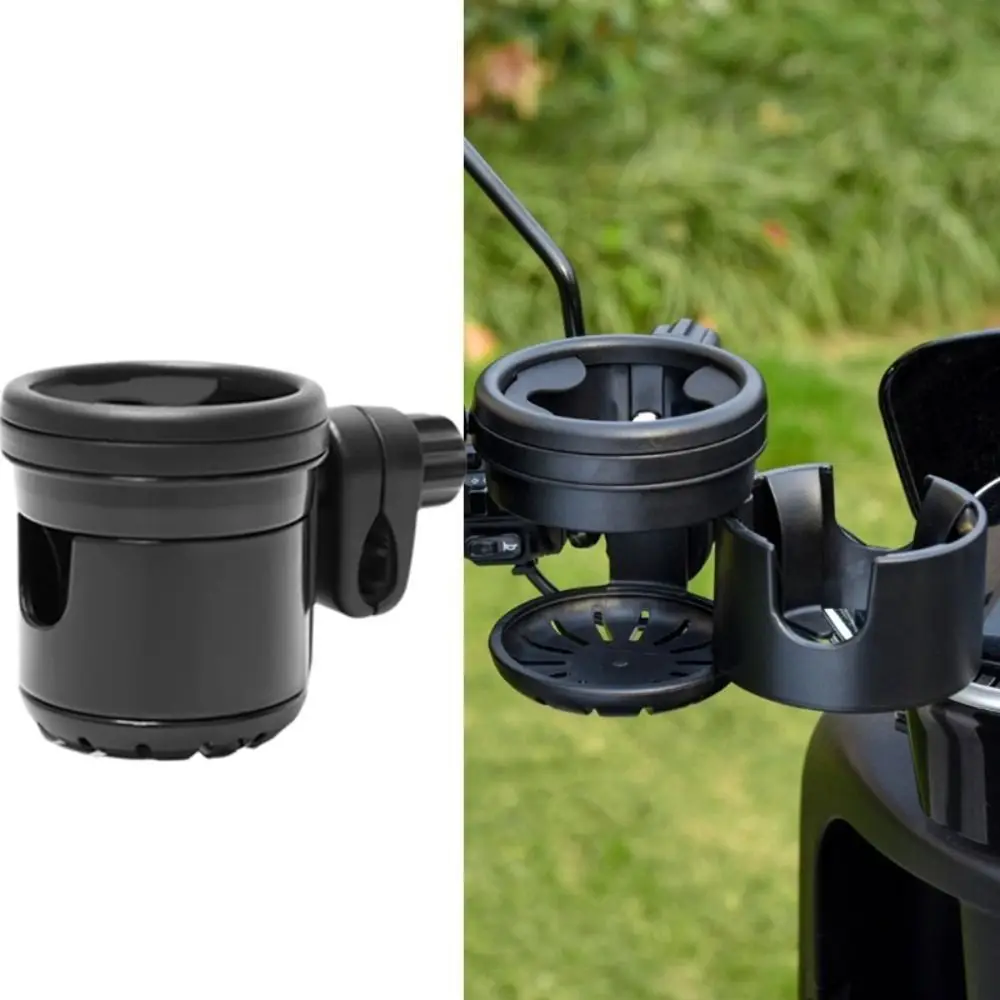
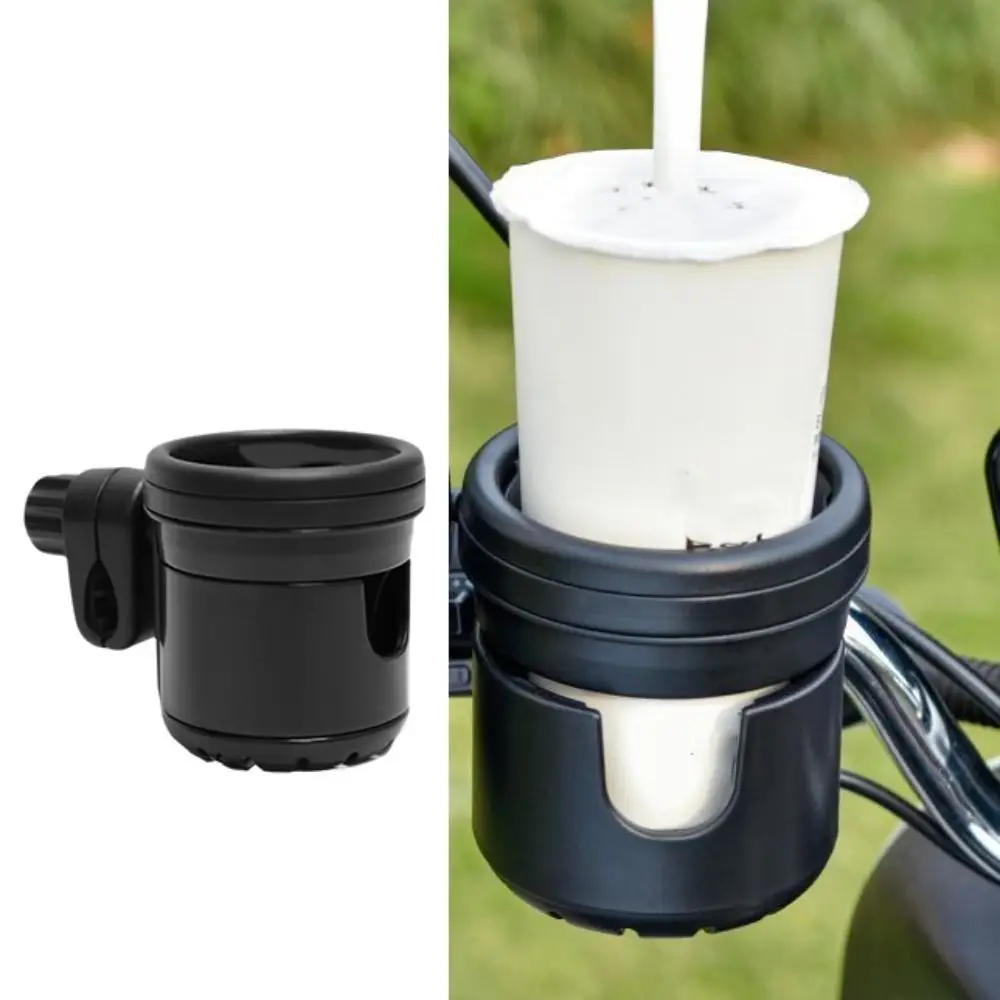
Regardless of which system you choose — 2-in-1 or 3-in-1 — parental comfort during walks can be significantly improved with useful accessories. One such must-have item is a universal bottle or cup holder.
For example, Rotating 2 in 1 Stroller Cup Holder Universal Black Mount is a practical solution that fits any model of baby stroller. It allows you to securely fasten a bottle of water, coffee, or baby juice within reach, freeing up your hands for steering the stroller or using your phone. The non-slip surface keeps the container in place even on uneven roads, and the rotating mechanism allows you to conveniently adjust the angle.
Such small items as a holder, handle organizer, or rain cover make using any stroller much more pleasant and convenient, regardless of its price and configuration.

Conclusion:
The choice between a 2-in-1 and 3-in-1 stroller depends on your priorities, budget, and plans. If you are looking for a maneuverable, lighter, and more budget-friendly model, frequently use a car, and are willing to compromise on the bassinet — choose a 2-in-1 system. If your priority is maximum comfort for the child from birth, you plan long walks, and are ready to invest in a complete set — a 3-in-1 stroller will be your choice. Both options are excellent solutions; the main thing is to assess their suitability for your specific lifestyle.