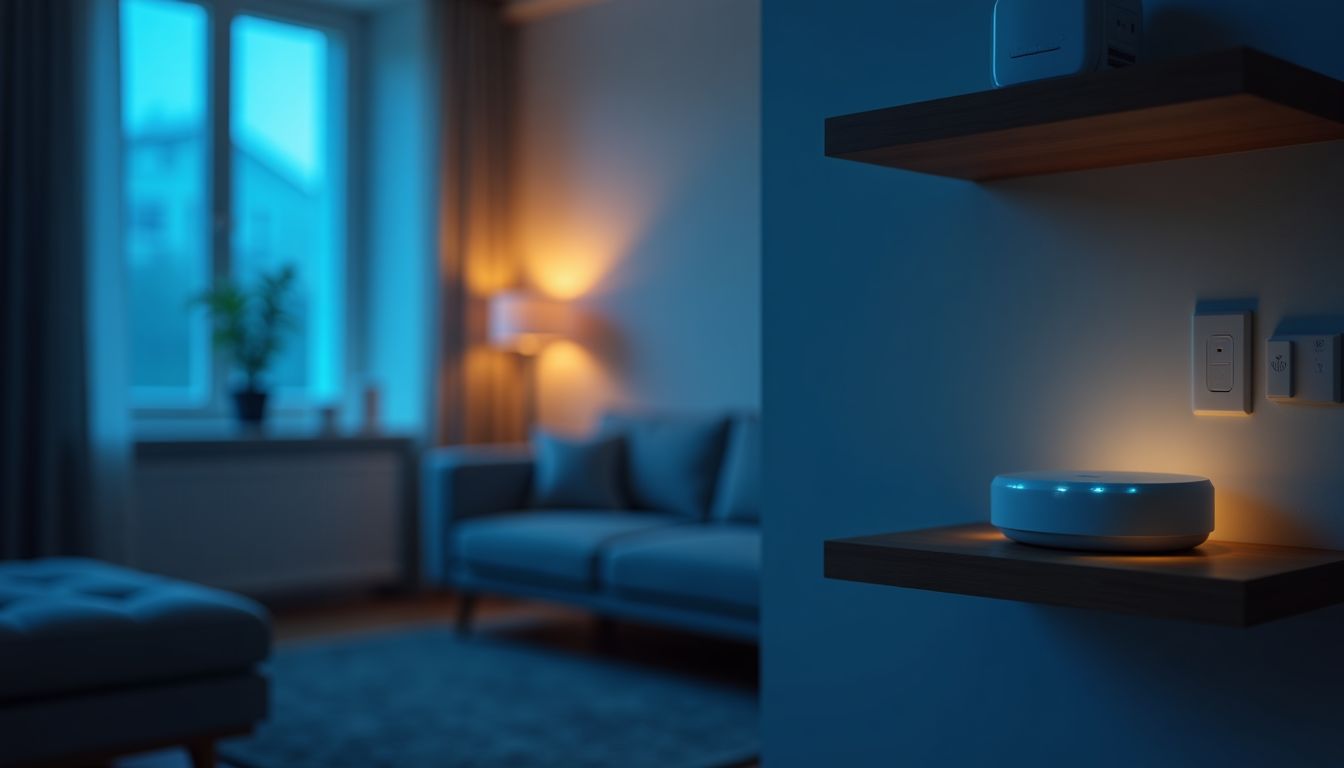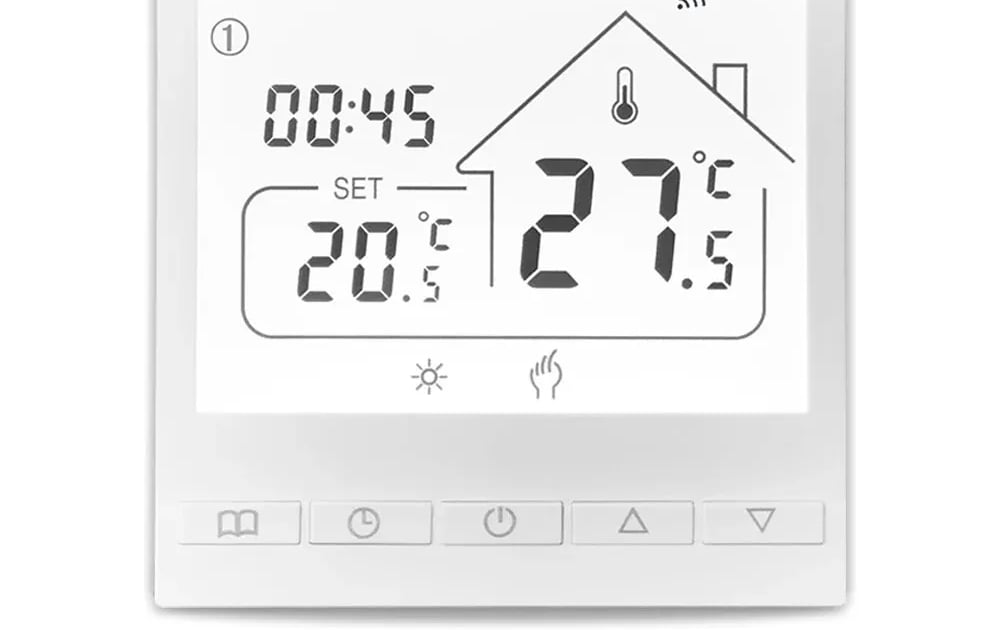
Winter is a true test for any heating system, especially when it comes to a city apartment with centralized heating. Apartment owners often face two extremes: unbearable stuffiness when radiators are blazing at maximum, or cold during the off-season. It is in such conditions that a smart thermostat in winter transforms from an interesting gadget into a vital tool for creating a comfortable microclimate. This material is not just a review, but an attempt to simulate a real smart thermostat test in the conditions of a typical Ukrainian apartment, based on technical specifications and user reviews.
Article Contents
- Why an apartment needs a smart thermostat: starting conditions of the test
- Operating scenarios: how we simulated a winter week
- Integration into a smart home system: more than just a timer
- Economic efficiency: numbers and feelings
- Typical mistakes during installation and operation
- Test results: comfort versus conservatism
- Conclusion:
Why an apartment needs a smart thermostat: starting conditions of the test
Before talking about the results, it is worth defining what problem the device solves. The classic heating system in an apartment building often lacks flexible regulation, and mechanical heads installed on radiators provide only approximate control. Smart home heating automation allows reaching a fundamentally different level: the system itself adapts to your lifestyle schedule, weather conditions, and even humidity levels.
For a clean experiment, let's imagine a standard two-room apartment with an area of 50-55 square meters with cast-iron radiators and an autonomous gas boiler, since it is precisely this configuration that provides maximum room for temperature control in the apartment. According to the recommendation of the ComfortShop editorial team, the optimal scenario for such conditions is installing a programmable thermostat with remote access via Wi-Fi, as this allows evaluating the full potential of the device, not just its basic timer functions.
The goal of the test is simple: to check whether a modern gadget can provide stable temperature, significantly reduce energy consumption, and relieve residents of constantly manually adjusting valves.
Operating scenarios: how we simulated a winter week
The smart thermostat test involved simulating various life situations that arise during the heating season. We divided the trial into several key stages to evaluate the system's response to changing conditions.
The first stage — "Workday." From 8:00 to 18:00, no one is in the apartment, so it makes sense to lower the temperature to 17°C to avoid heating empty rooms. At 17:30, the thermostat should begin warming up so that by the time residents return at 19:00, the rooms are at a comfortable 22°C. The second stage — "Night sleep." From 23:00 to 07:00, the temperature drops to 19°C, which promotes healthy sleep and significant heat savings in winter.
The third stage — "Weekend day," when residents are home all day and need a stable 22-23°C without sharp fluctuations. Operation in extreme mode was also tested separately, when the temperature outside dropped to -15°C, as well as the "Vacation" scenario, which involves maintaining a minimum of 12°C to prevent the system from freezing.
Integration into a smart home system: more than just a timer
A modern thermostat review for an apartment is impossible without assessing its ability to integrate into a broader ecosystem. The most advanced models available in the ComfortShop range support Zigbee and Wi-Fi protocols, which opens the way to creating complex automation scenarios.
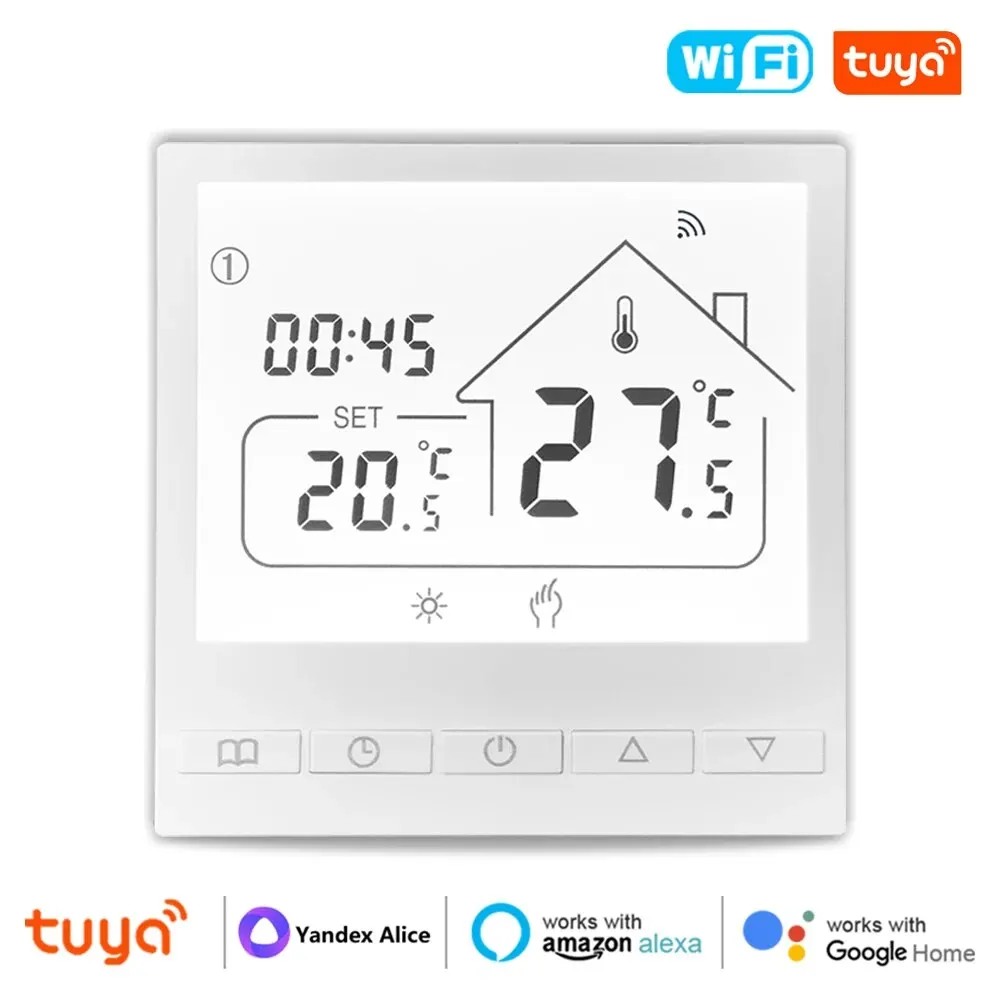
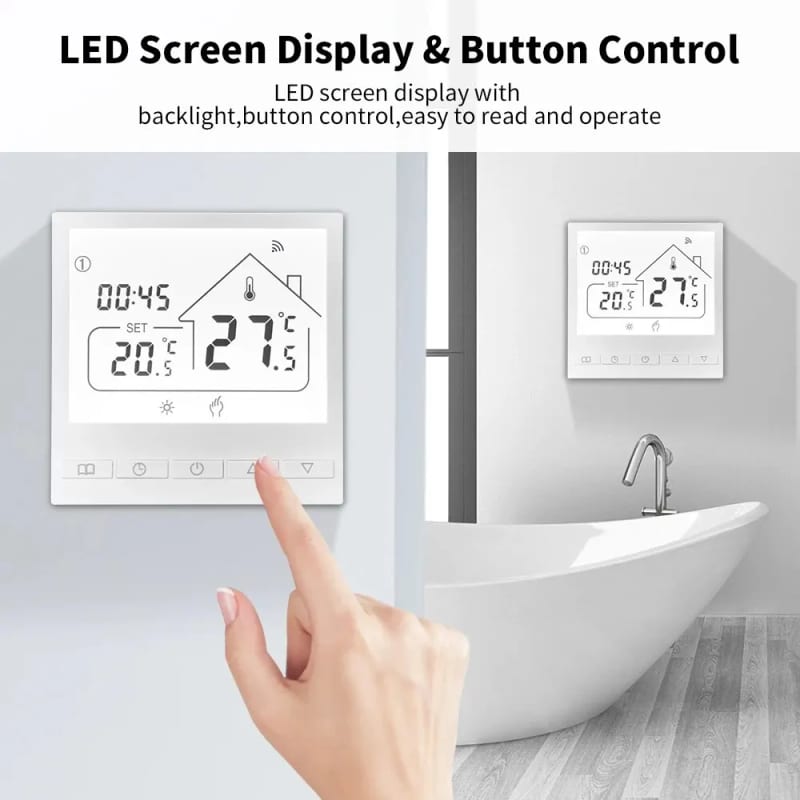
For example, a window opening sensor can automatically switch the thermostat to ventilation mode, stopping the heat supply so as not to heat the outdoors. A presence sensor turns on the heating only when people are in the room. And a connection with a weather station allows the system to respond in advance to a sudden cold snap, increasing the intensity of warming before the apartment's walls have time to cool down.
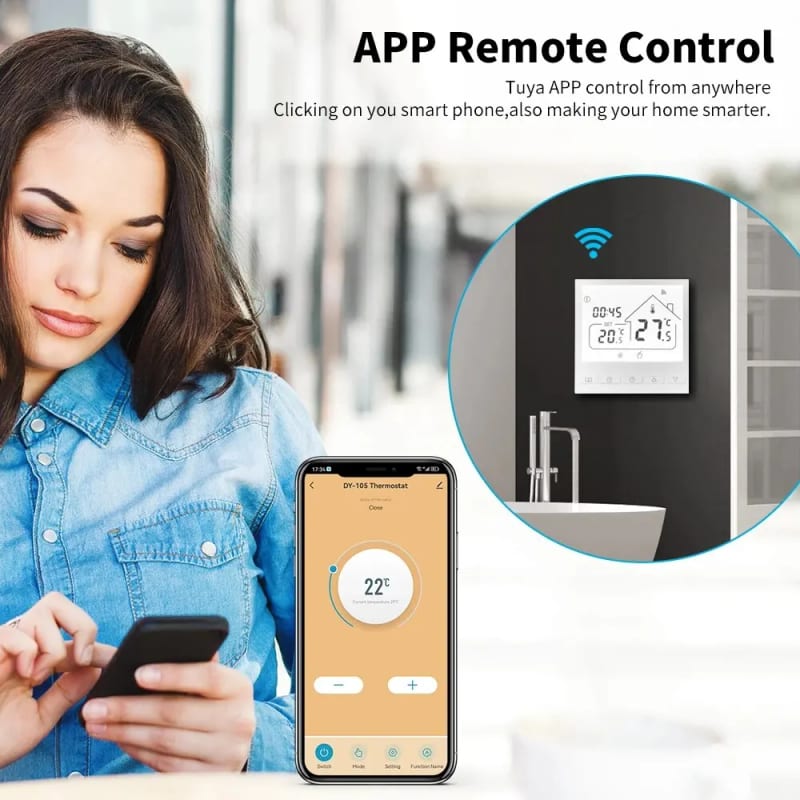
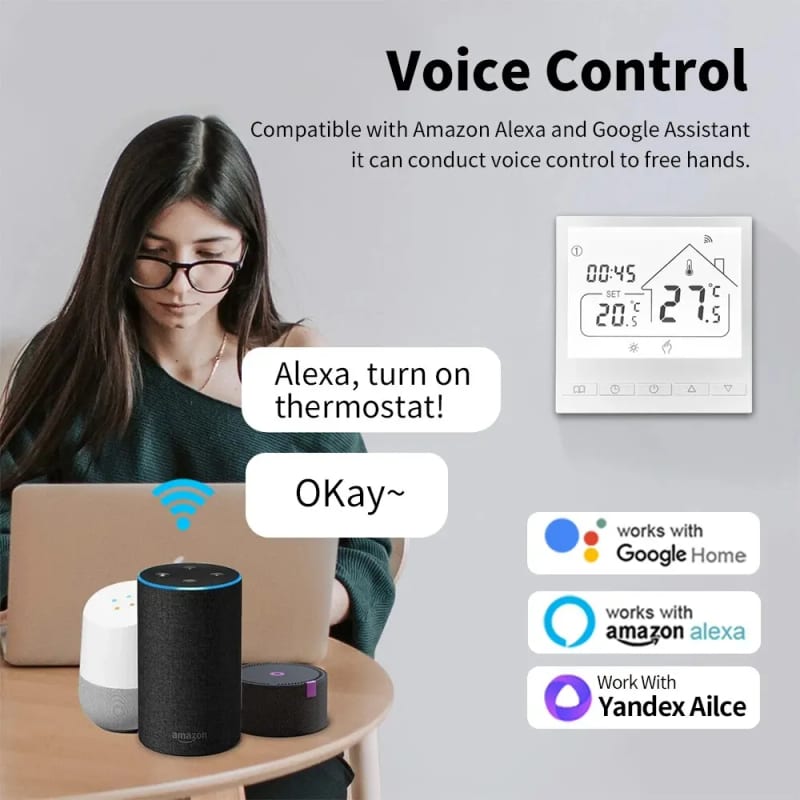
After analyzing open sources, the ComfortShop editorial team notes that models with an open API or support for voice assistants bring the most benefit in apartments. This allows controlling the heating by voice or through a single application together with lighting and security, which is the true essence of the concept of smart home apartment heating.
The key success factor is not power, but algorithms.
Economic efficiency: numbers and feelings
The main question that concerns everyone considering buying such a device is: will it pay for itself? The answer depends on the type of heating, but the general trend is obvious. For apartments with an individual gas boiler, heat savings in winter can reach 20-30% of previous costs, especially if the temperature was previously regulated manually and chaotically.
If we are talking about centralized heating with heat meters, the effect will be somewhat smaller, but still noticeable — about 10-15%. This is achieved by lowering the temperature at night and during residents' absence. It is important to understand that a smart thermostat in winter does not create heat out of nothing; it only optimizes its consumption, eliminating wastefulness.
Separately, it is worth noting the psychological comfort: when you wake up in a warm bedroom rather than a chilled room, or return from work to an already heated home, this is perceived as a significant improvement in quality of life that is difficult to measure in money.
Typical mistakes during installation and operation
During testing, several nuances emerged that can ruin the impression of even the best device. The most common mistake is choosing the wrong location for installing the main unit or temperature sensor. If you place it in a draft, near a window, or above a hot radiator, the readings will be incorrect, and the system will operate with errors.
Another problem is overly aggressive economy settings. Trying to lower the temperature to 15°C during periods of absence can result in the system not having time to warm up the apartment by the time you return, especially during severe frosts. You need to find a balance between savings and response speed. According to the recommendation of the ComfortShop editorial team, the delta between "home" and "economy" temperatures should not exceed 4-5°C.
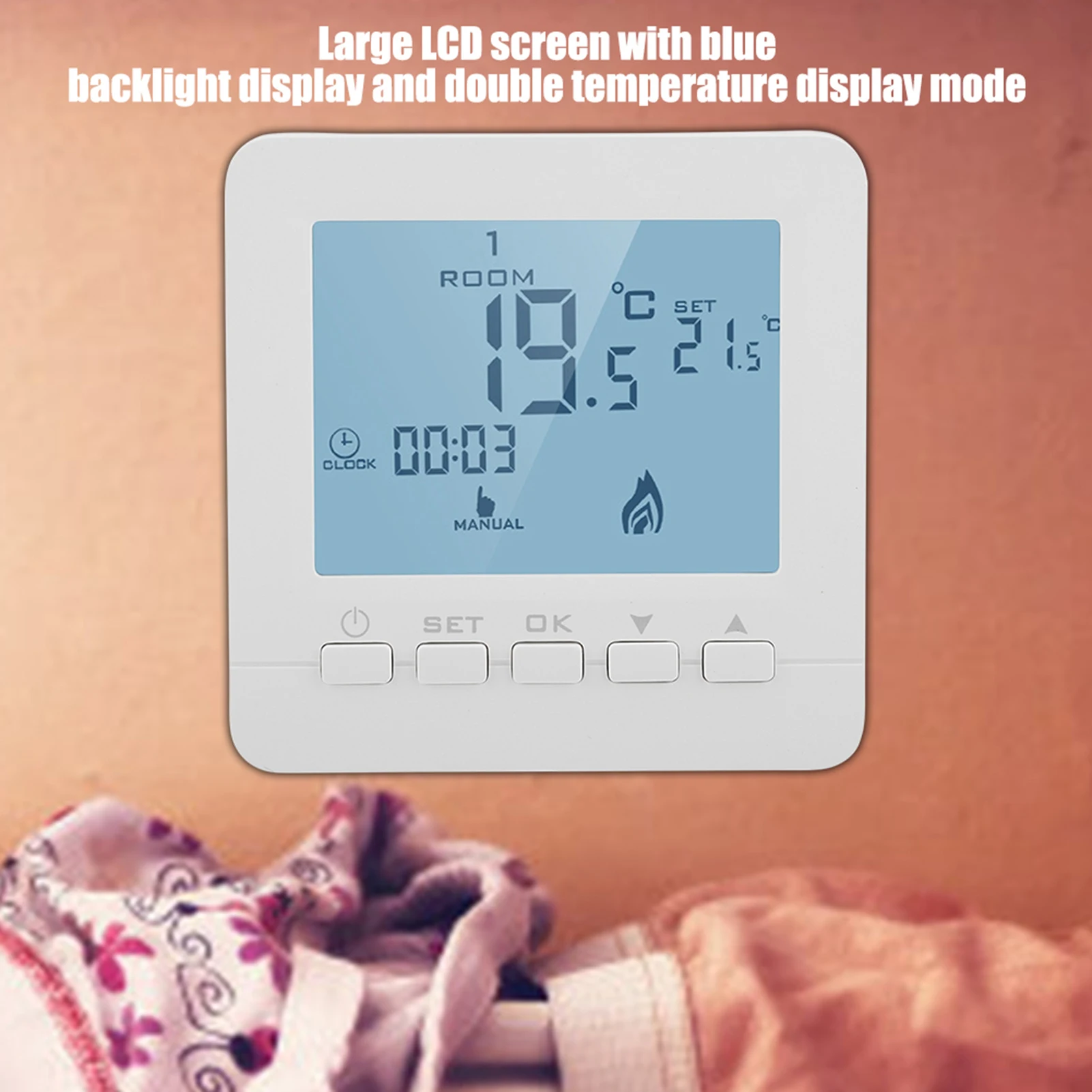
Also, do not neglect calibration. Cheap mechanical thermostatic heads have significant error, while high-quality electronic models with the ability to correct readings allow you to configure the system with an accuracy of 0.1°C, which is critical for stable temperature control in the apartment.
Test results: comfort versus conservatism
The conducted analysis shows that modern devices are fully ready for Ukrainian realities. They maintain temperature stably, respond quickly to changes, and have intuitive applications that even a person far from technology can master. Smart home heating automation has ceased to be the domain of geeks and has become a mass-market product.
The only significant barrier remains the initial cost of a quality set, but given the constant rise in energy tariffs, the payback period is constantly shrinking. Moreover, the comfort of stable warmth without daily manipulation of valves is an argument that is difficult to refute.
Conclusion:
The smart thermostat test under winter conditions demonstrates that this device is not a luxury but a rational tool for a modern apartment. It provides noticeable heat savings in winter, increases the level of daily comfort, and easily integrates into a smart home ecosystem. Based on the analysis of characteristics, ComfortShop recommends paying attention to models with Wi-Fi support and the ability to create flexible schedules, as it is these that provide maximum benefit in urban apartment conditions.
Frequently Asked Questions
Does a smart thermostat really save heat in winter in an apartment?
Yes, on average it allows reducing heating costs by 10–15% thanks to automatically lowering the temperature when you are not home and precisely maintaining a comfortable level without overheating.
How does a smart thermostat in winter affect radiators if the apartment has centralized heating?
It does not regulate the water temperature in the riser, but it controls the valve or boiler (if there is one), which allows reducing the heat supply to a specific room without affecting neighbors.
Is it difficult to install a smart thermostat in an apartment with old pipes?
In most cases, installation takes about 30 minutes and does not require replacing radiators — it is enough to have standard threading for the thermostat head.
What to do if the Wi-Fi in the apartment is unstable — will heating automation still work?
The thermostat will continue to execute the set schedule autonomously, but you will lose the ability to remotely control the temperature through the application until the connection is restored.