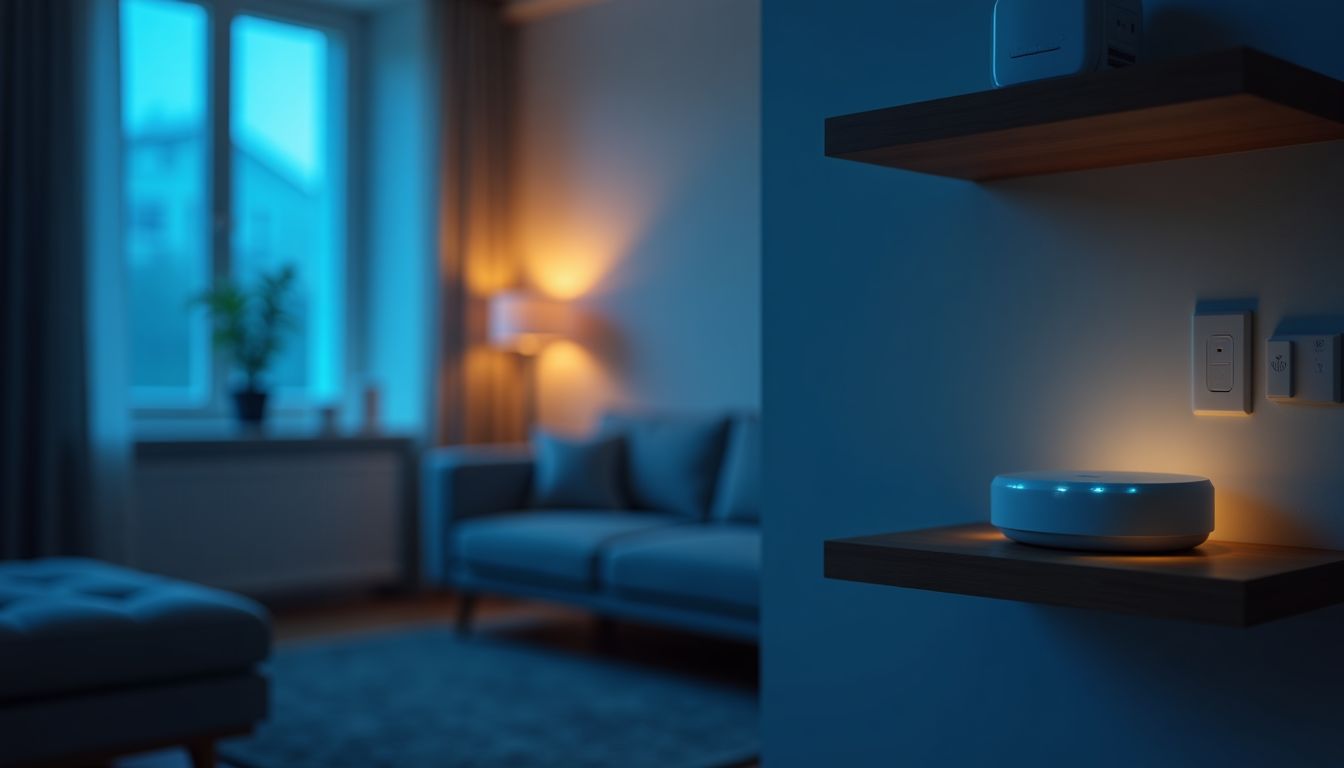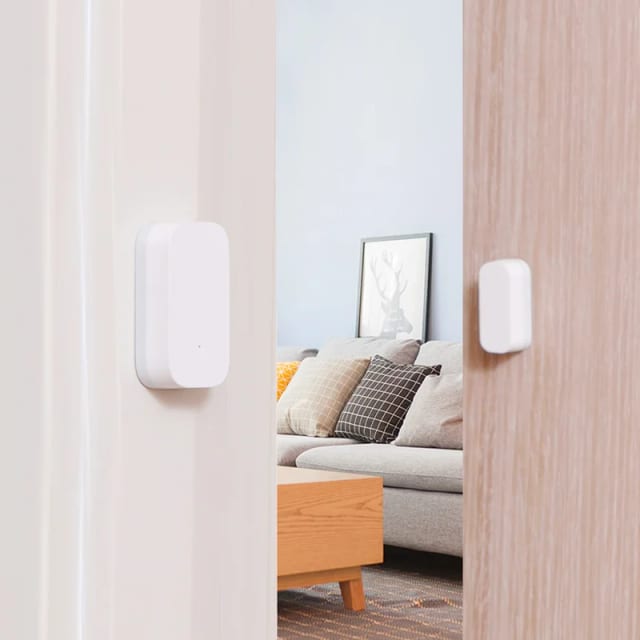
Creating a smart home in an apartment is not science fiction, but a modern reality accessible to everyone. The two most popular ecosystems on the market, Xiaomi Mi Home/Smart and Apple HomeKit, offer different approaches to home automation. The choice between them often comes down not only to the price of devices, but to the philosophy of use, integration with your existing gadgets, and the desired level of control. The Chinese Xiaomi ecosystem is famous for its wide range and affordability, while Apple HomeKit is a standard of security, privacy, and seamless integration within the iOS environment. In this article, we will compare both systems in detail to help you make an informed choice for your apartment.
? Table of Contents
Philosophy and Ecosystem: Open vs. Closed
The main difference between Xiaomi and Apple HomeKit lies in their architecture and approach to compatibility. The Xiaomi ecosystem (under the Mi, Mijia, Aqara brands) is built around hubs that support various communication protocols such as Zigbee, Bluetooth, and Wi-Fi. This is a more open system, often compatible with devices from other manufacturers that support the same standards or work through the Tuya Smart platform.
Apple HomeKit, on the other hand, is a closed but extremely integrated ecosystem. Any device with the "Works with Apple HomeKit" logo has been certified by the company, guaranteeing a high level of security, operational stability, and easy setup through the "Home" app on iPhone or iPad. Here, everything "works out of the box" without needing to install additional apps from manufacturers.
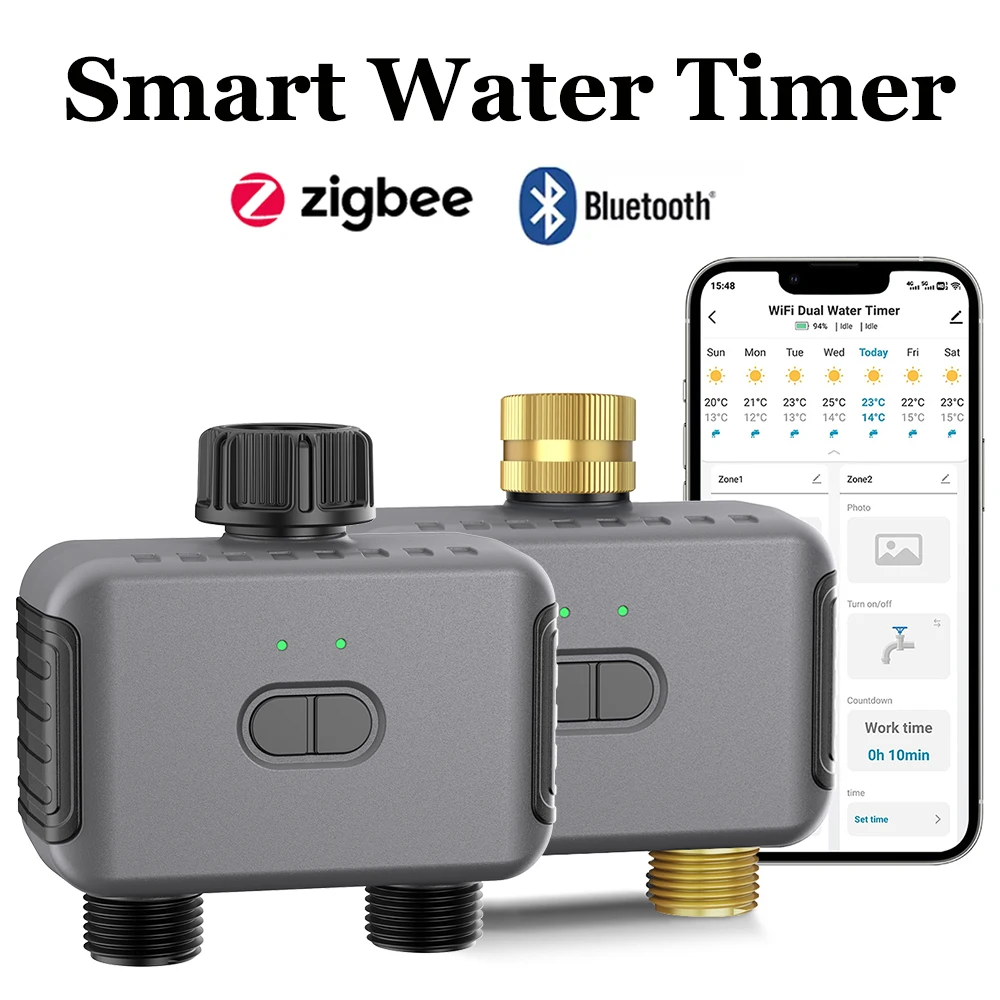
Thus, Xiaomi offers flexibility and a wide choice, including niche solutions like a smart watering timer for plants Tuya Smart, while HomeKit is primarily a premium segment focused on privacy and hassle-free operation within its own environment.
Device Range and Availability
In terms of the variety of smart home gadgets, Xiaomi has an undeniable advantage. The market features hundreds of devices: from basic light bulbs and sockets to complex air purification systems, robot vacuum cleaners, and even kitchen gadgets. Many of them have an attractive price, making the gradual "smartening" of an apartment very accessible.
Apple HomeKit: smaller selection, higher price, guaranteed quality.
The range of devices certified for HomeKit is significantly narrower, and their cost is usually higher. However, you are paying not just for the brand, but for guaranteed build quality, materials, data encryption level, and flawless operation with the Siri voice assistant. For many users, this advantage is worth the extra cost.
It is important to note that some devices, like the mentioned Tuya watering timer, can be integrated into both systems through additional hubs or software bridges, but in HomeKit this often requires extra setup effort.
Control and Integration: Apps and Voice Assistants
Controlling a Xiaomi smart home is primarily done through the proprietary Mi Home app or Smart Life (for Tuya-based devices). The interface may seem overloaded due to the large number of devices and settings, but it is quite flexible. The system supports voice control via Alice, Google Assistant, and Amazon Alexa.
The main advantage of Apple HomeKit is the native "Home" app, built into iOS, iPadOS, and macOS. It has a simple, intuitive interface that is easy for even a non-tech-savvy person to master. All devices from different manufacturers are gathered in a single logical interface without the need to jump between apps.
Voice control via Siri is the most integrated and secure, as many commands are processed locally on the device rather than in the cloud. For users who daily use iPhone, Mac, and Apple Watch, this creates a seamless interaction experience.
Automation and Security
Both systems offer powerful tools for creating automated scenarios. In Xiaomi, you can set up complex conditions based on time, device status, geolocation, and sensors. However, some advanced features may require using the Chinese server region or additional plugins.
Data security is a critical aspect. Apple has placed special emphasis on it. All communication between HomeKit devices and the iPhone is encrypted. Many commands are executed locally, minimizing data transmission over the internet. The situation with Xiaomi is more complex: the company's servers are located in different regions (including China), which may raise privacy concerns for some users.
For an apartment where personal data security is a priority, HomeKit offers more transparent and reliable conditions. Xiaomi, on the other hand, allows creating equally functional but cheaper security and monitoring systems based on its own sensors.
What to Choose for an Apartment: Practical Recommendations
The choice between a Xiaomi smart home and Apple HomeKit depends on your priorities, budget, and existing devices.
Choose the Xiaomi ecosystem if:
- Your budget is limited, but you want the widest possible range of devices.
- You are not tied to the Apple brand and use Android smartphones.
- You need niche or very affordable solutions (e.g., a smart garden timer).
- You are willing to spend time on fine-tuning and exploring capabilities.
It is worth investing in Apple HomeKit if:
- You are deeply integrated into the Apple ecosystem (iPhone, Mac, iPad, Apple Watch).
- Data security and ease of use are critically important to you.
- You value premium device quality and a unified standard.
- You are willing to pay more for stability and flawless integration.
Conclusion:
Xiaomi and Apple HomeKit represent two different worlds of the smart home: open, flexible, and affordable versus closed, integrated, and premium. For an apartment where the main criteria are budget and gadget variety, the Xiaomi ecosystem will be an ideal start. If you prioritize privacy, hassle-free operation with your Apple devices, and are ready for investment, HomeKit offers an unparalleled user-friendly experience. Both systems are capable of transforming your apartment into a modern, comfortable, and automated space.