Article Contents
- What is a video baby monitor with a breathing monitor and why is it needed
- How a breathing monitor for children works
- Key advantages of a video baby monitor with a breathing sensor
- How to choose a video baby monitor with a breathing monitor: key criteria
- Potential drawbacks and limitations
- Who should buy a video baby monitor with a breathing monitor
- Conclusion:
What is a video baby monitor with a breathing monitor and why is it needed
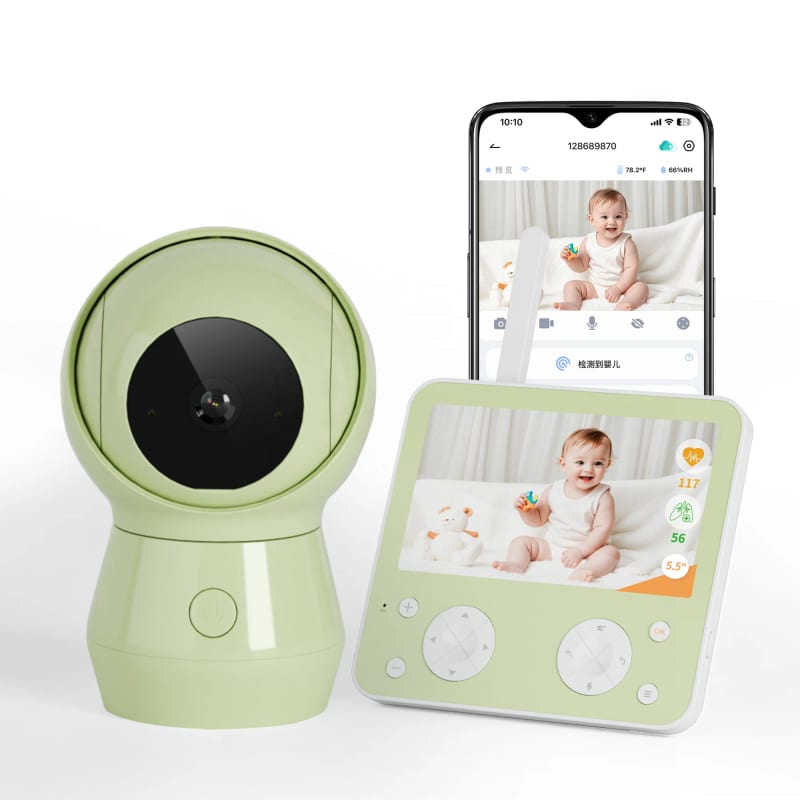
The arrival of a newborn changes everything, and the biggest concern for parents is the safety of the baby's sleep. Modern technology offers solutions that help monitor a child's condition even from a distance. One such device is a video baby monitor with a breathing monitor — a gadget that combines visual monitoring with tracking the baby's breathing movements.
Unlike standard models, a video baby monitor for infants with a breathing sensor can alert parents to potential danger in time. If the child's breathing slows down or stops for a certain period, the device emits an audible alarm. This is especially important in the first months of life, when the risk of sudden infant death syndrome causes the most concern.
According to the recommendation of the ComfortShop editorial team, such a device should be viewed not as a replacement for parental attention, but as an additional monitoring tool that reduces anxiety and allows parents to rest more peacefully, knowing that the baby is under supervision.
How a breathing monitor for children works
A breathing monitor for children operates using different technologies, and the accuracy and convenience of use depend on this. The most common options are sensor pads placed under the mattress, or clips attached to the diaper. Both types detect movements associated with breathing and transmit a signal to the parent unit.
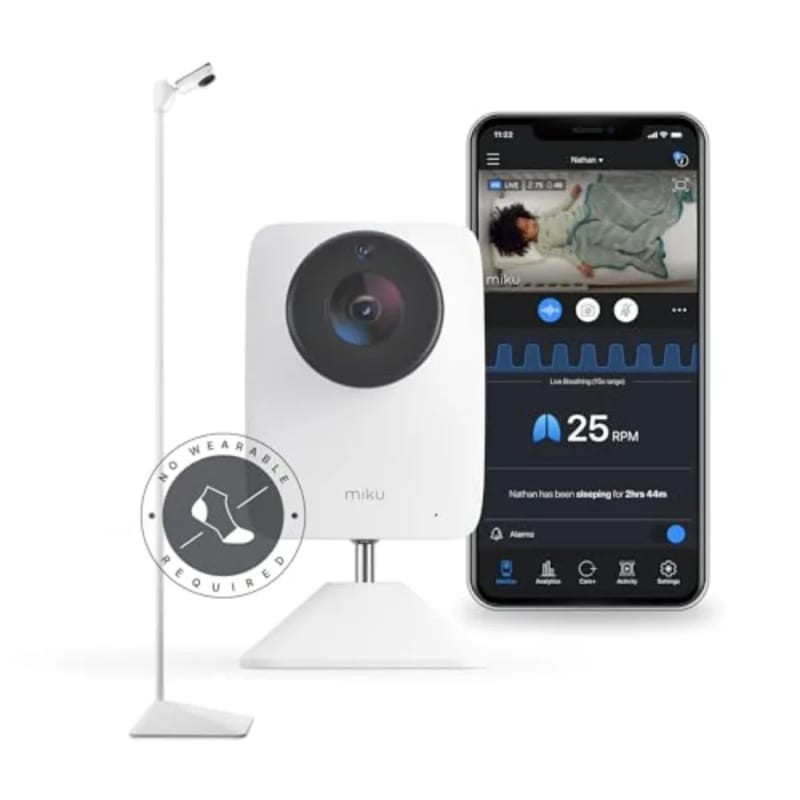
The sensor pad is placed under the mattress in the crib. It picks up the slightest vibrations caused by the breathing movements of the child's chest. If no movement is detected within 15–20 seconds, an alarm is triggered. The clip sensor works similarly but attaches directly to clothing or a diaper, making it more portable.
After analyzing open sources, the ComfortShop editorial team notes that both types have their advantages. The pad does not come into contact with the child's body, but it may produce false alarms if the baby moves to the corner of the crib. The clip is more sensitive, but it requires proper attachment to avoid skin irritation.
Key advantages of a video baby monitor with a breathing sensor
A video baby monitor with a breathing sensor combines observation and vital sign monitoring functions. This allows parents not only to hear but also to see the child, as well as receive instant notifications about any changes in their condition. Such a comprehensive approach significantly increases the safety level of an infant's sleep.
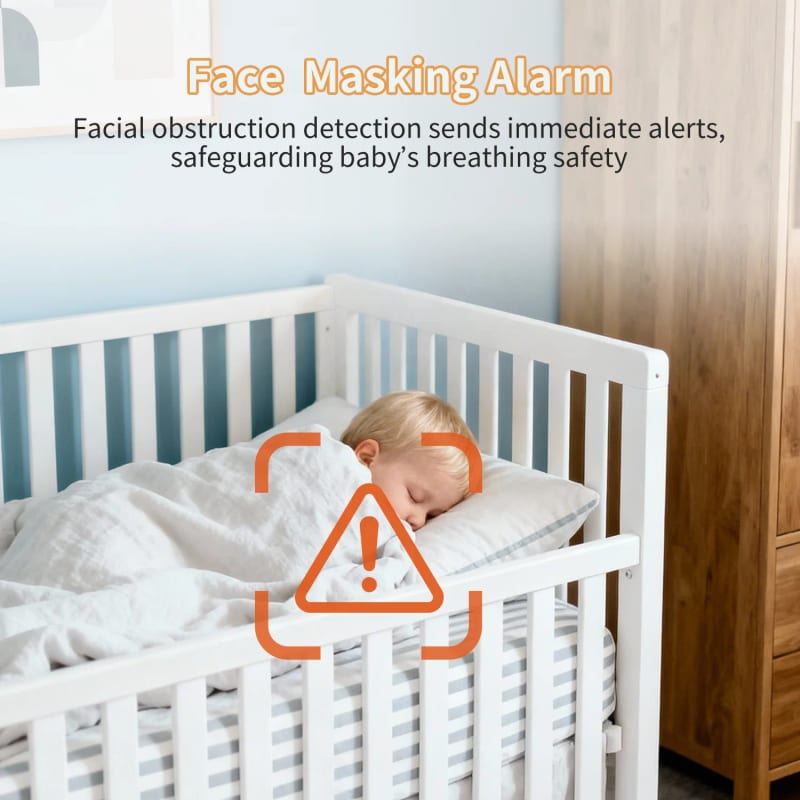
Among the main advantages, the following should be highlighted:
- Peace of mind for parents — the device significantly reduces anxiety, especially during night sleep, allowing you to relax and not constantly check the baby.
- Timely alert — in case of respiratory arrest or a significant slowdown, the monitor immediately signals, which can be critical in emergency situations.
- Combined functionality — you get both a video nanny and a breathing monitor in one device, which saves space and simplifies use.
- Sleep tracking — many models record sleep quality and baby activity, helping to establish a daily routine.
- Mobility and convenience — modern models have a compact parent unit with a long battery life and a stable signal over a long distance.
Thus, a video baby monitor with a breathing sensor is not just a fashionable gadget, but a practical assistant that provides an additional level of control and safety for the baby.
How to choose a video baby monitor with a breathing monitor: key criteria
When choosing a video baby monitor with a breathing monitor, it is important to consider several key parameters that affect both the convenience and reliability of the device. First of all, pay attention to the type of breathing sensor: a pad under the mattress or a clip on clothing. The pad is suitable for newborns and does not require contact with the skin, while the clip is more accurate but may cause discomfort.
The second important criterion is the video quality and the presence of night vision. A good baby monitor should provide a clear image even in complete darkness, so that parents can see the baby at any time. Also, pay attention to the viewing angle and the ability to rotate the camera remotely.
An equally important factor is the battery life