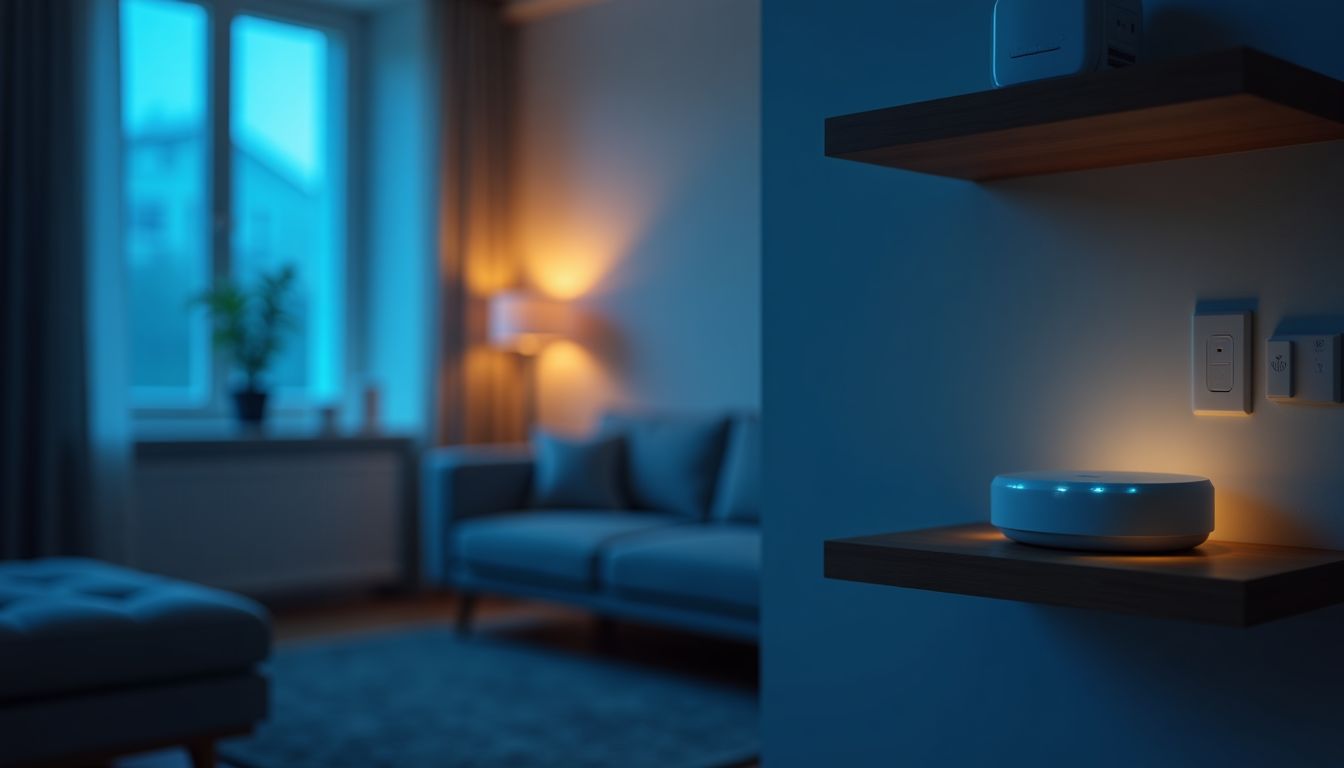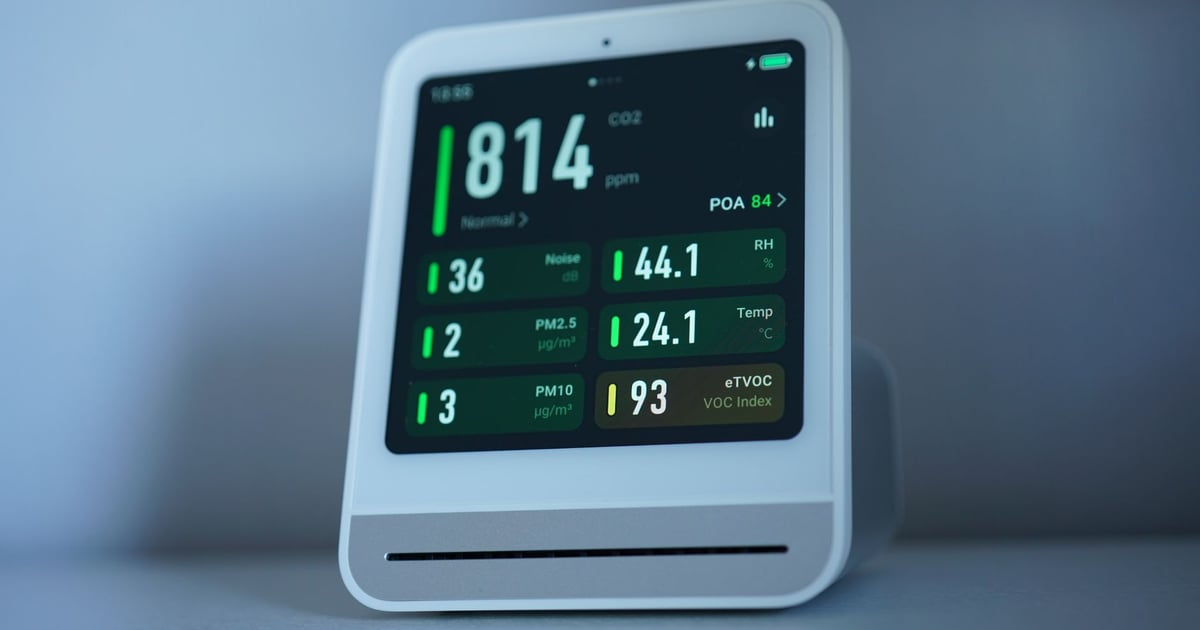
Creating your own smart home system starts with choosing the central element — the hub. This device acts as the brain of the entire ecosystem, connecting sensors, light bulbs, thermostats, and other devices into a single network. Without a reliable hub, even the best smart devices will work separately and inefficiently. According to the recommendation of the ComfortShop editorial team, before purchasing equipment, it is worth carefully studying the technical nuances and protocol compatibility, as this determines whether your home will truly become smart.
Article Contents
What is a smart home hub and why is it needed
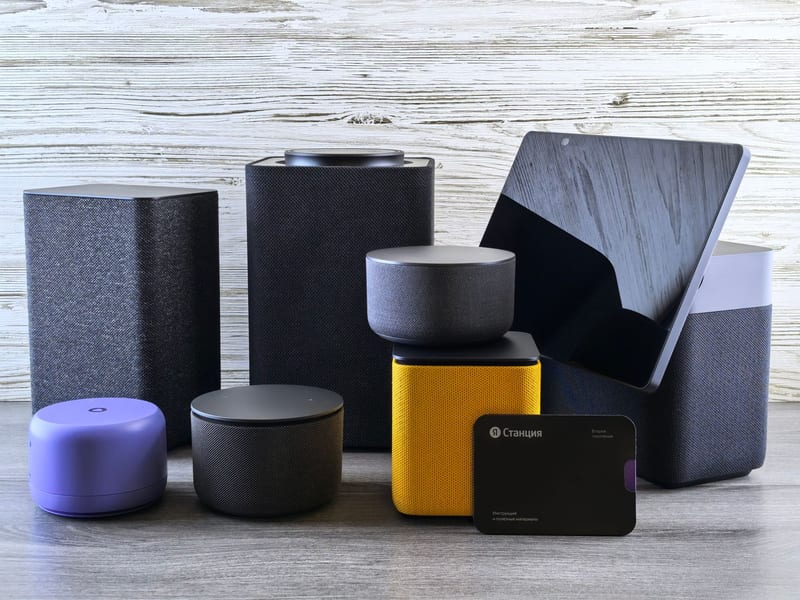
A hub (controller, gateway, control center) is a physical device or software that coordinates the operation of all connected gadgets. It receives signals from sensors, processes them, and sends commands to executive devices. For example, when a motion sensor detects activity, the hub turns on the light or launches the "Evening" scenario.
Without a hub, each device works autonomously and cannot interact with others. That is why the question "which smart home hub to choose" is key at the start of the project. If you plan to automate at least a few zones in your apartment, a central controller will become a mandatory element of the system.
Main communication protocols: Wi-Fi, Zigbee, Z-Wave
The most important criterion that influences how to choose a smart home hub is the supported protocols. Most modern hubs work with Zigbee or Z-Wave, and also have built-in Wi-Fi for internet connection. Zigbee is an energy-efficient protocol that allows creating a mesh network: each device amplifies the signal, increasing the coverage area.
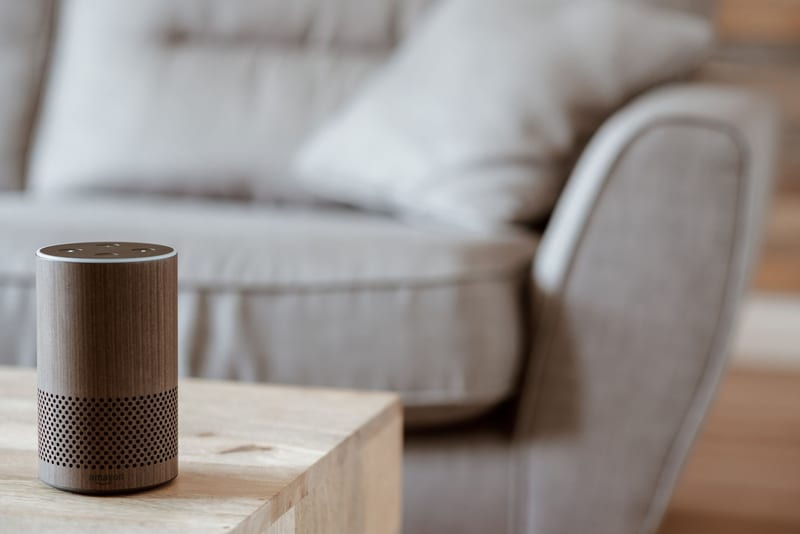
Z-Wave also uses a mesh topology but operates on a different frequency, which reduces interference from Wi-Fi. In Ukraine, Zigbee devices are the most common, so when choosing, it is worth giving preference to this protocol. Wi-Fi hubs are easier to set up but consume more energy and can put a load on the home network.
Which protocol to choose for Ukrainian realities.
In conditions of unstable power supply, it is important that the hub can work with devices that have low power consumption. Zigbee and Z-Wave are ideal for this. ComfortShop experts advise paying attention to models that support both protocols — this will provide maximum flexibility when expanding the system in the future.
Compatibility with ecosystems: Google Home, Apple HomeKit, Alexa
Before purchasing a hub, make sure it integrates with your favorite voice assistant or mobile app. The most common ecosystems in Ukraine are Google Home and Apple HomeKit. If you use an iPhone, choose a hub with HomeKit support to control all devices through the native app.

Some hubs, for example, from Aqara or Xiaomi, have their own applications that are not always user-friendly for Ukrainian users. Therefore, when choosing a smart home hub, a review of local capabilities is critical. Make sure the app supports the Ukrainian language or at least has an understandable interface in English.
Local control vs cloud services
One of the most important aspects for Ukraine is the ability for local control without internet access. Cloud hubs depend on the manufacturer's servers and become useless during network outages. In contrast, local controllers process commands within the home network, guaranteeing operation even when the internet is disconnected.
For example, Hubitat or Home Assistant on Raspberry Pi allow you to create a fully autonomous system. If you are looking for the best smart home hub in Ukraine considering frequent blackouts, choose models with support for local scenarios. This will allow automation to work even when the provider is not providing services.
Number of connected devices and power
Each hub has a limit on the number of simultaneously connected devices. For a small apartment with 10-15 devices, a budget controller will suffice, but if you plan to automate a house with 50+ sensors, light bulbs, and sockets, you need a more powerful hub. Pay attention to models with mesh network support — they can handle up to 100+ devices.
The speed of command processing is also important. Cheap hubs may have a delay of 1-2 seconds, which is annoying for daily use. If you need an instant response, choose controllers based on powerful processors. Remember that the smart home hub price in Ukraine often correlates with its performance, so you should not skimp on quality.
How to estimate the required hub power.

Make a list of all the devices you plan to connect and add 20% reserve. This will help avoid a situation where in a year you have to buy a new hub due to a lack of resources. ComfortShop reviewers recommend choosing models with the ability to expand through additional gateways.
Budget and price in Ukraine
Prices for hubs in Ukraine range from 1000 UAH for simple Wi-Fi models to 15,000 UAH for professional controllers. The price is influenced by supported protocols, processor power, availability of local control, and brand. For example, the popular Aqara Hub M2 costs about 2500-3000 UAH and supports Zigbee and HomeKit.
If you are looking for a budget solution, pay attention to the Sonoff ZBBridge or Xiaomi Gateway 3. They cost up to 2000 UAH and are great for getting started. For large systems, consider the Hubitat Elevation or Home Assistant Yellow, which cost from 8000 UAH. Overall, which hub to choose depends on your current needs and future plans.
Conclusion:
Choosing a smart home hub is an investment in the comfort and security of your home. The best solution for Ukraine is a controller with support for Zigbee or Z-Wave, local control, and compatibility with popular voice assistants. Do not forget to consider the number of future devices and the possibility of expanding the system. ComfortShop experts advise starting with a small hub from a trusted manufacturer and, as needs grow, moving to more powerful models.
Frequently Asked Questions
Which smart home hub works best in Ukraine?
The best options for Ukraine are considered to be hubs from Aqara (for example, M2 or M1S) and Xiaomi, as they support the popular Zigbee and Wi-Fi protocols, have an affordable price, and work stably with local servers.
Do I need a smart home hub if all devices are on Wi-Fi?
Yes, a hub is still needed for centralized control, automation of scenarios, and reducing the load on your router, as a large number of Wi-Fi devices can cause network failures.
Which protocol should I choose for a hub: Zigbee or Z-Wave in Ukrainian conditions?
For Ukraine, it is better to choose Zigbee, as it is cheaper, has a wider selection of compatible devices on the market, and operates on the free 2.4 GHz frequency, while Z-Wave uses licensed frequencies that may differ in different regions.
How much does a quality smart home hub cost in Ukraine?
The price of a quality smart home hub in Ukraine varies from 1500 to 6000 hryvnias, depending on the brand, supported protocols, and additional features, such as a built-in speaker or light sensor.