? Table of Contents
Key Parameters for Selection
Choosing your first robot vacuum can seem like a daunting task due to the variety of models and features. However, by focusing on a few key technical specifications, you can narrow down your search and find the ideal assistant. The main thing is to clearly define what tasks the device should perform in your home: whether it's daily maintenance in an apartment with hard floors, dealing with pet hair, or cleaning on multiple floors.
Before looking at additional features, it's worth evaluating the basic parameters. These include battery capacity, which determines the operating time, and the dustbin volume. For a medium-sized apartment (up to 70-80 m²), a battery lasting 90-120 minutes and a dustbin with a capacity of 0.4-0.5 liters will be sufficient. As ComfortShop reviewers note, these indicators are the optimal balance between performance and ease of maintenance.
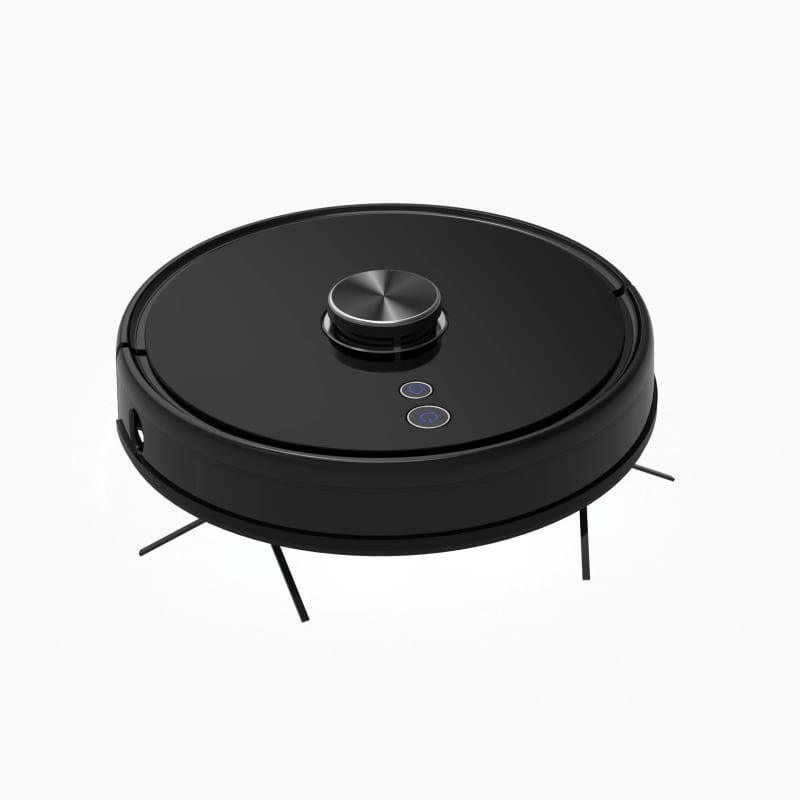
Another important criterion is the type of navigation sensors. Budget models often use infrared sensors and operate on a random algorithm, which can leave uncleaned areas. More expensive and efficient robots are equipped with a laser lidar (LIDAR) or cameras, allowing them to build an accurate map of the room and clean methodically, sector by sector.
Types of Navigation and Mapping
The heart of a modern smart vacuum is its navigation system. How quickly, efficiently, and thoroughly the cleaning is done depends on it. You may encounter three main types of navigation, each with its own advantages and limitations.
Random Navigation (Chaotic or Random Navigation).
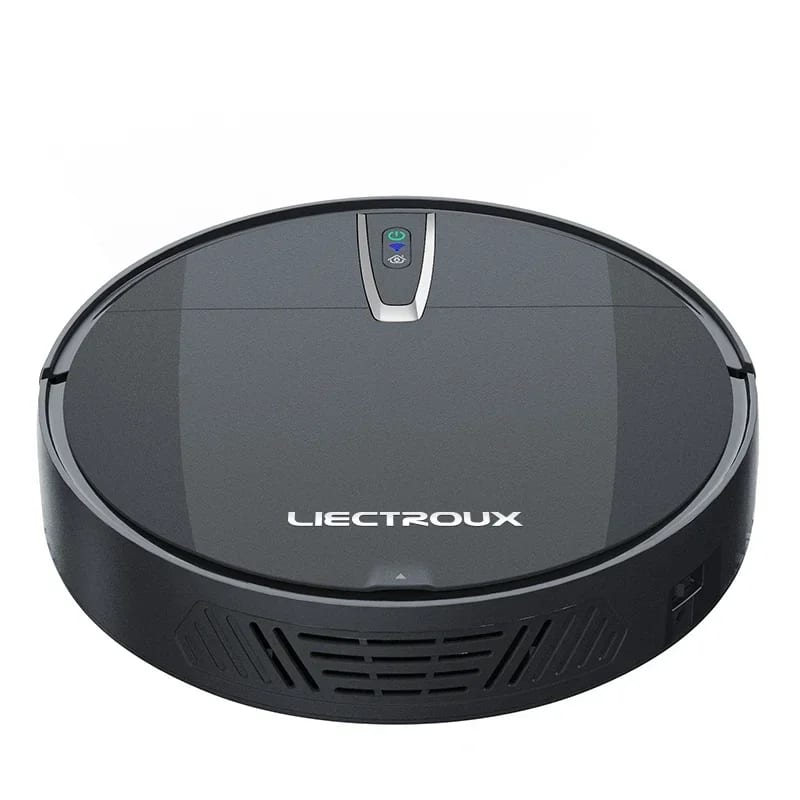
This is the simplest and cheapest method. The robot moves in a random direction, bouncing off obstacles. Its main drawback is low efficiency: it can pass over the same spot several times and miss others. This option is only suitable for very small rooms or as a supplementary device for in-between cleanings.
Systematic Navigation systems are a step forward. These include models with lidar or a camera. Lidar creates an accurate 2D map of the room, allowing the robot to move in clear, rectangular routes (like a "snake" pattern). Cameras orient themselves using visual landmarks on the ceiling and walls. Such robots remember the layout, allow you to set virtual walls, no-go zones, and schedule cleaning for individual rooms via a smartphone app.
Suction Power and Filtration
Suction power is the main indicator of a vacuum's "strength." It is measured in Pascals (Pa) or Air Watts (AW). For effective collection of dust and debris from various surfaces, including medium-pile carpets, a power range of 2000-2500 Pa is sufficient. Higher values (from 3000 Pa) will be useful in homes with high-pile carpets or if you have shedding pets.
It is important that the power is adjustable. ComfortShop experts advise paying attention to models with automatic power boost when a carpet is detected. This saves battery charge when cleaning hard floors and ensures deep carpet cleaning. The quality of filtration is no less significant. The best choice for allergy sufferers and for maintaining clean air in the home is a vacuum with a high-grade HEPA filter (e.g., HEPA 13 or 14), which traps up to 99.95% of fine dust particles, pollen, and allergens.
Additional Features and Smart Home Integration
Modern robot vacuums are not just devices for collecting dust. They are full-fledged participants in the smart home ecosystem. Their functionality significantly enhances user convenience. The ability to control via a mobile app is considered an essential option. It allows you to start, stop cleaning, create schedules, view room maps, and configure zones.
Useful additions also include:
- Voice control. Integration with assistants like Amazon Alexa, Google Assistant, or Apple Siri allows you to give commands by voice.
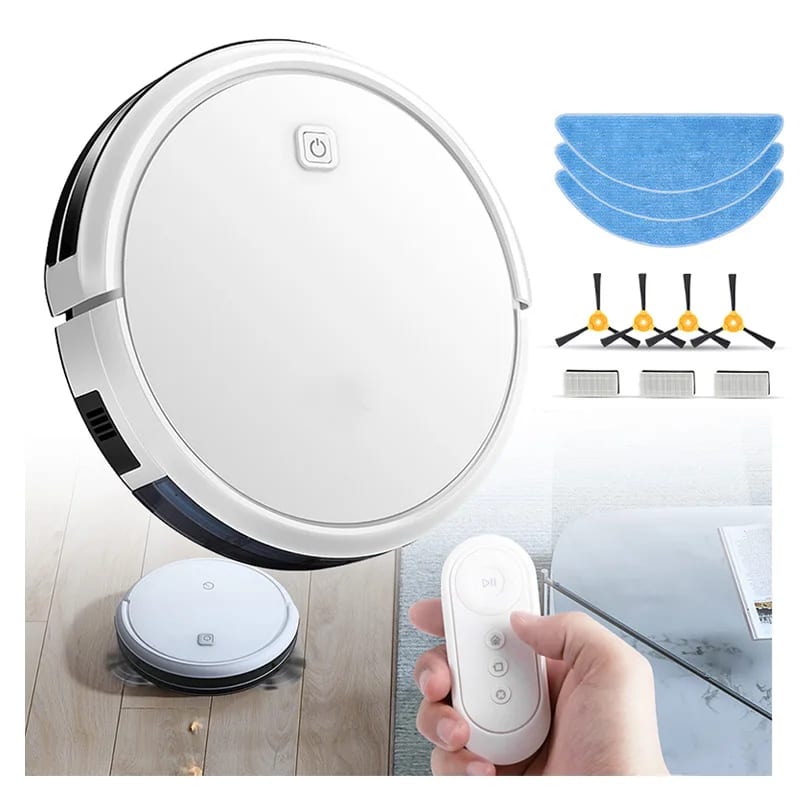
- Mopping module. A special tank with a microfiber cloth that wipes the floor as it goes. Important: this is "damp mopping," not pressure washing.
- Automatic charging station. The robot returns to its base to recharge on its own and then resumes cleaning from where it stopped.
- Auto-empty dustbin. The most advanced feature: the vacuum automatically empties its dustbin into a bag on the base, allowing you to go weeks without maintenance.
What to Look for When Buying
Before you buy a robot vacuum, it's worth considering not only the technical specifications but also the features of your home. Make a short checklist to help you make the final decision.
Pre-purchase checklist:
1. Floor type. Do you have mostly hard surfaces (parquet, laminate, tile) or high-pile carpets? The answer will determine the necessary suction power.
2. Presence of obstacles. Are there many pieces of furniture with low legs, wires on the floor, or thresholds higher than 2 cm? This may require a model with improved clearance.
3. Presence of pets. If so, you definitely need an effective brush mechanism (often a combination of a brush and a rubber roller) for collecting hair that doesn't get tangled, and a powerful filter.
4. Cleaning area. Determine the total area to assess the required battery capacity and dustbin size.
Conclusion:
Choosing the best robot vacuum for an apartment or house is about finding a balance between your needs, home features, and budget. For most users, the optimal choice will be a model with a mapping system (lidar or camera), adjustable suction power, a HEPA filter, and app control.
According to the recommendation of the ComfortShop editorial team, before buying, it's worth carefully studying real reviews of a specific model, especially regarding reliability and obstacle handling. A properly selected robot vacuum will become a true helper, maintaining cleanliness and freeing up your time for more important matters.
Frequently Asked Questions
Which robot vacuum is best to buy for an apartment with carpet?
For an apartment with carpet, choose a model with high suction power and a V-shaped brush that effectively combs out hair and dirt from the pile.
Do I need a robot vacuum with a mopping function?
Yes, if you want a complete clean, models with a mopping function (e.g., with a water tank and cloth) effectively remove dust and dirt.
What should I look for when reading reviews about robot vacuums?
In reviews, it's important to evaluate the real battery life, navigation quality, and reliability without getting stuck in conditions similar to yours.
Can a robot vacuum be integrated into a smart home system?
Many modern models support voice control via Google Assistant or Alexa and smartphone control through an app.