Pet owners know well that fur, fluff, and small debris become an integral part of the interior, especially during shedding season. Daily manual cleaning takes a lot of time, so a robot vacuum for pets turns from a luxury into a necessity. Modern models can independently maintain cleanliness, collecting fur from floors and carpets while you attend to other matters. According to the recommendation of the ComfortShop editorial team, choosing the right device depends on several key characteristics that should be carefully analyzed before purchase.
? Article Contents
Suction Power and Brush Type
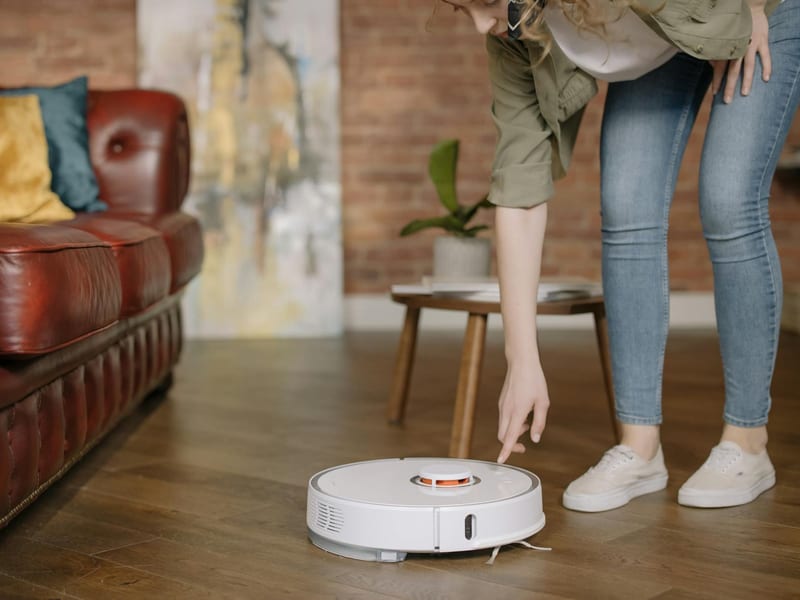
The main criterion that determines the efficiency of fur cleaning is suction power. For homes with pets, you should choose models with a rating of at least 2000-2500 Pa, and preferably higher. It is sufficient suction force that allows you to extract fur from the depths of carpeting and gaps between parquet boards.
An equally important element is the brush design. For collecting fur, models with a turbo brush equipped with rubber fins or specially shaped bristles are ideal. They prevent long hair and fur from winding around the roller, which significantly simplifies maintenance. Some manufacturers offer brushes with an antibacterial coating, which is also a plus for allergy sufferers.
Dustbin and Water Tank Capacity
If you have several pets or one large breed that sheds heavily, the dust container volume should be at least 400-500 ml. A small dustbin will quickly fill with fur, and the robot will have to return to the base for emptying much more often, reducing cleaning efficiency.
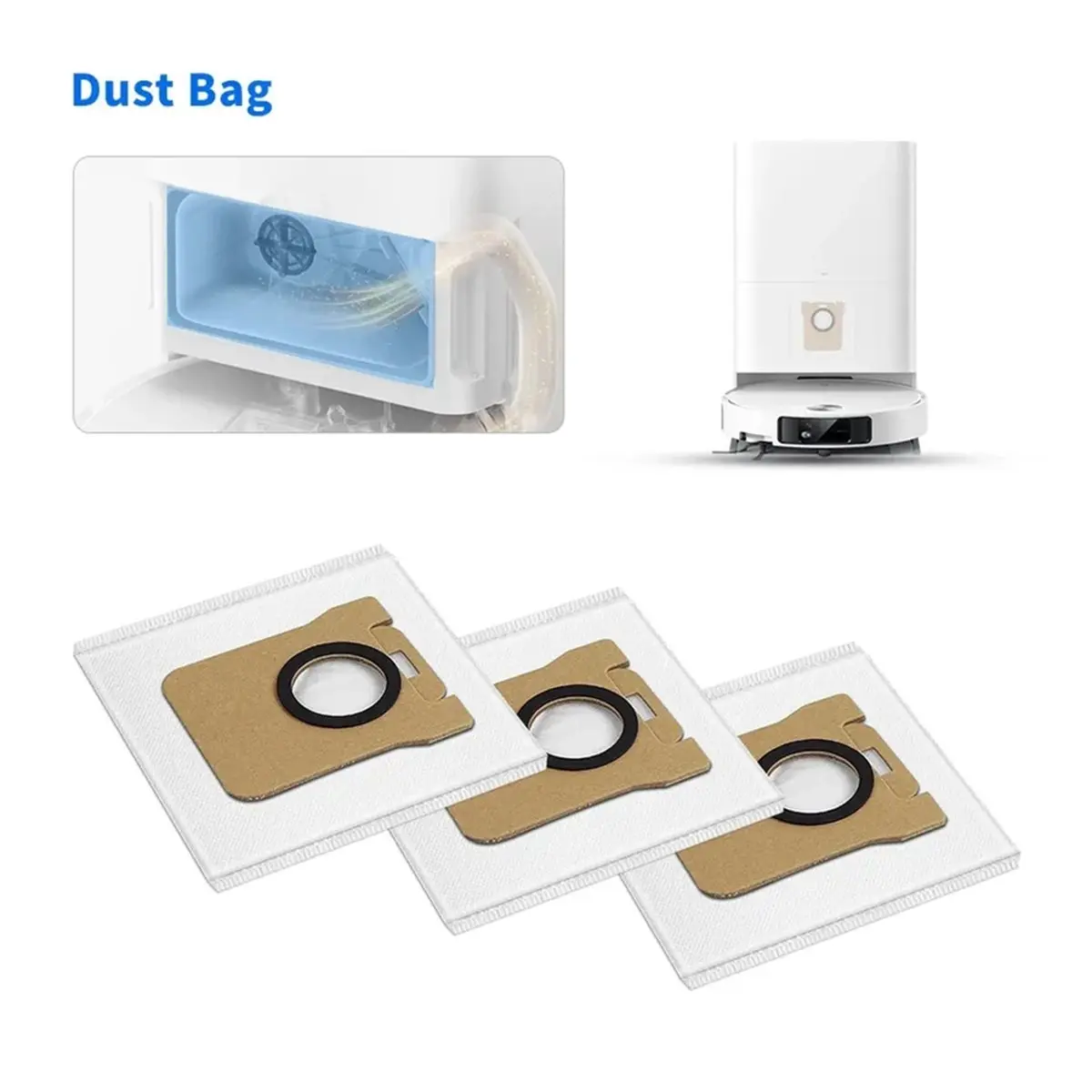
For those who want to automate the process as much as possible, it is worth paying attention to models with a self-cleaning function — a station that independently extracts debris from the robot's container into a large bag. This is especially convenient when the vacuum works daily. ComfortShop experts also advise checking for a HEPA filter, which traps the smallest particles of fur and pollen, which is important for maintaining a healthy indoor climate.
Navigation and Obstacle Overcoming
A robot vacuum for fur must not only clean well but also navigate spaces where there are bowls, toys, and pet beds. Modern models use laser scanning (LDS) or cameras to build a map of the room. Laser navigation is considered more accurate and effective in the dark, allowing you to start cleaning at night.
Pay attention to the height for overcoming thresholds. If you have high-pile carpets or door thresholds between rooms, the robot should have a clearance of at least 2 cm. Also useful are obstacle detection sensors to prevent the device from getting stuck under furniture or tangling power cords.
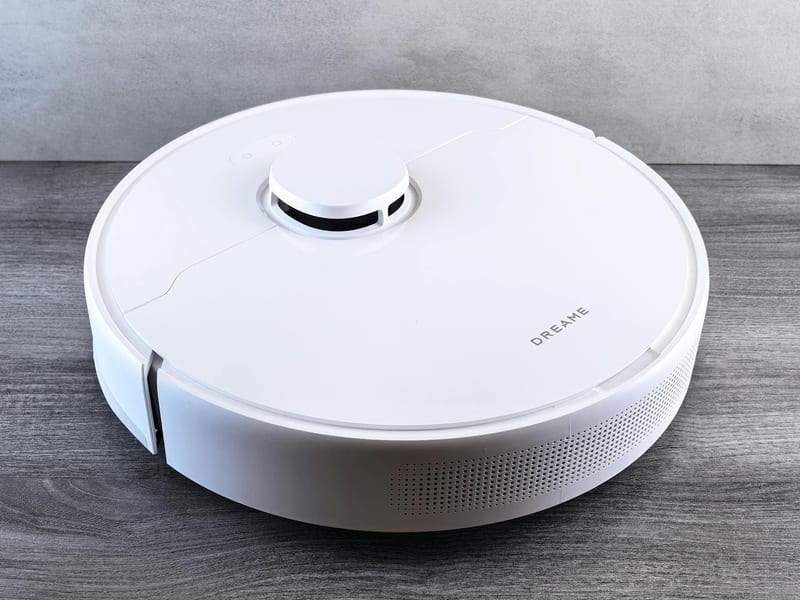
How to choose a robot vacuum that is not afraid of large amounts of fur.
Noise Level and Pet Safety
It is important that the device does not scare your pet. Although most modern robots operate relatively quietly (55-65 dB), some animals may be nervous about the sound or movement of the device. Before purchasing, it is worth checking the noise level of a specific model, as well as the availability of a "night cleaning" mode, which operates even more quietly.
Safety is also a top priority. Choose models with soft bumpers and collision sensors. Some robots have a function for detecting living creatures and can avoid colliding with an animal lying on the floor. Also, make sure that small parts that a pet could detach are securely fastened.
Mopping and Disinfection Function
For homes with pets, mopping is almost mandatory, as it helps remove not only fur but also paw prints, saliva, and potential allergens. Most robot vacuums have a mopping mode, but they differ in effectiveness. It is best to choose models with electronic water flow control, which do not flood the floor but only slightly moisten it.
Some premium models offer a disinfection function using an ultraviolet lamp or special solutions. This is especially relevant if animals have access to the bed or sofa, and you want to minimize the risk of spreading bacteria. Remember that regular mopping significantly improves indoor air quality.
Conclusion:
Choosing a robot vacuum for pets is an investment in your comfort and cleanliness. The main criteria should be high suction power, a reliable turbo brush that does not tangle fur, and a sufficient dustbin volume. Do not forget about quality filtration and the mopping function. As ComfortShop reviewers note, the best robot vacuum for pets is one that fits perfectly into your lifestyle and does not require constant intervention. Choose smart technology that will give you free time and a clean home.
Frequently Asked Questions
Does a robot vacuum for pets really collect fur better than a regular one?
Yes, models for pets have a more powerful suction motor and a special turbo brush that does not get tangled in fur, ensuring efficient cleaning of fur from carpets and hard floors.
What dustbin volume is needed if I have two dogs?
For a household with two pets, it is recommended to choose a robot vacuum with a container volume of at least 500 ml or a model with a self-cleaning function, otherwise you will have to empty it after each cleaning cycle.
Is it worth buying a robot vacuum with a mopping function for a home with pets?
Yes, mopping helps remove fur residue that the brush did not collect, as well as washes away allergens and dirt from paws, making the air in a smart home cleaner.
How often do I need to clean the robot vacuum if it collects pet fur daily?
It is recommended to clean the container and brush after each cleaning, and wash the filter once a week, so that the robot vacuum for fur does not lose power and does not spread odors around the house.