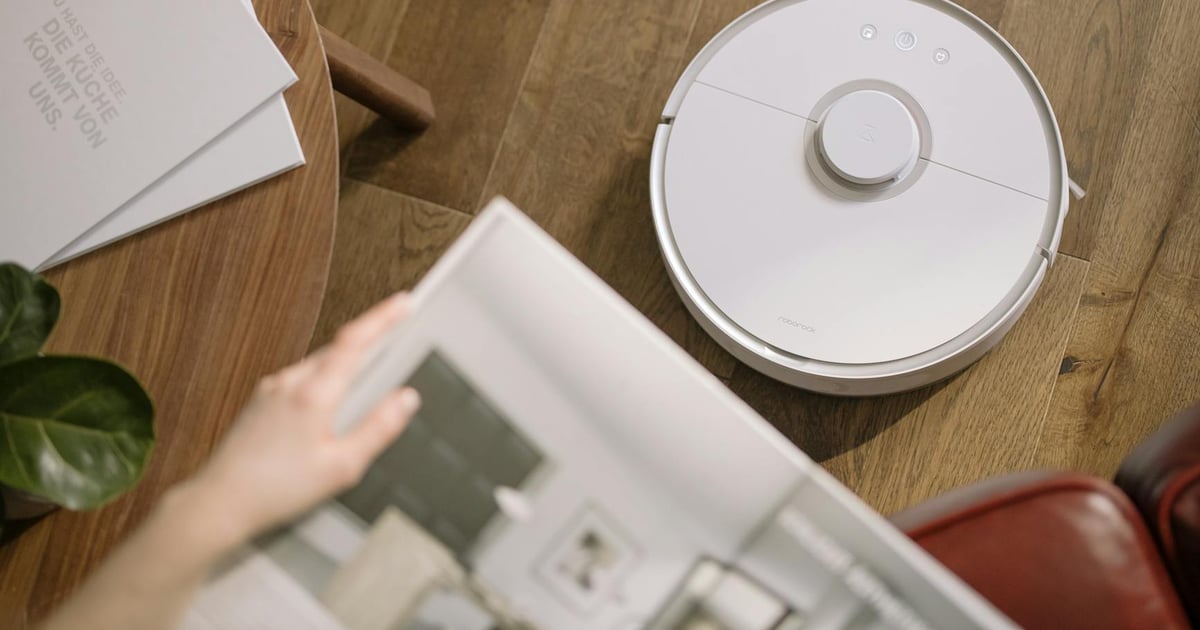
The modern home appliance market offers dozens of robot vacuum models, but not all of them are capable of effectively washing floors. Often, manufacturers add a wet mopping function merely as a marketing gimmick, while in practice, the device only slightly dampens the surface, smearing the dirt. To choose a truly effective assistant, it's worth understanding the technical nuances that distinguish real mopping from imitation. According to the recommendation of the ComfortShop editorial team, before purchasing a robot vacuum with a mopping function, you should pay attention to the type of water tank, the water supply system, and the material of the cloth.
? Table of Contents
Why a regular cloth doesn't wash, but only smears

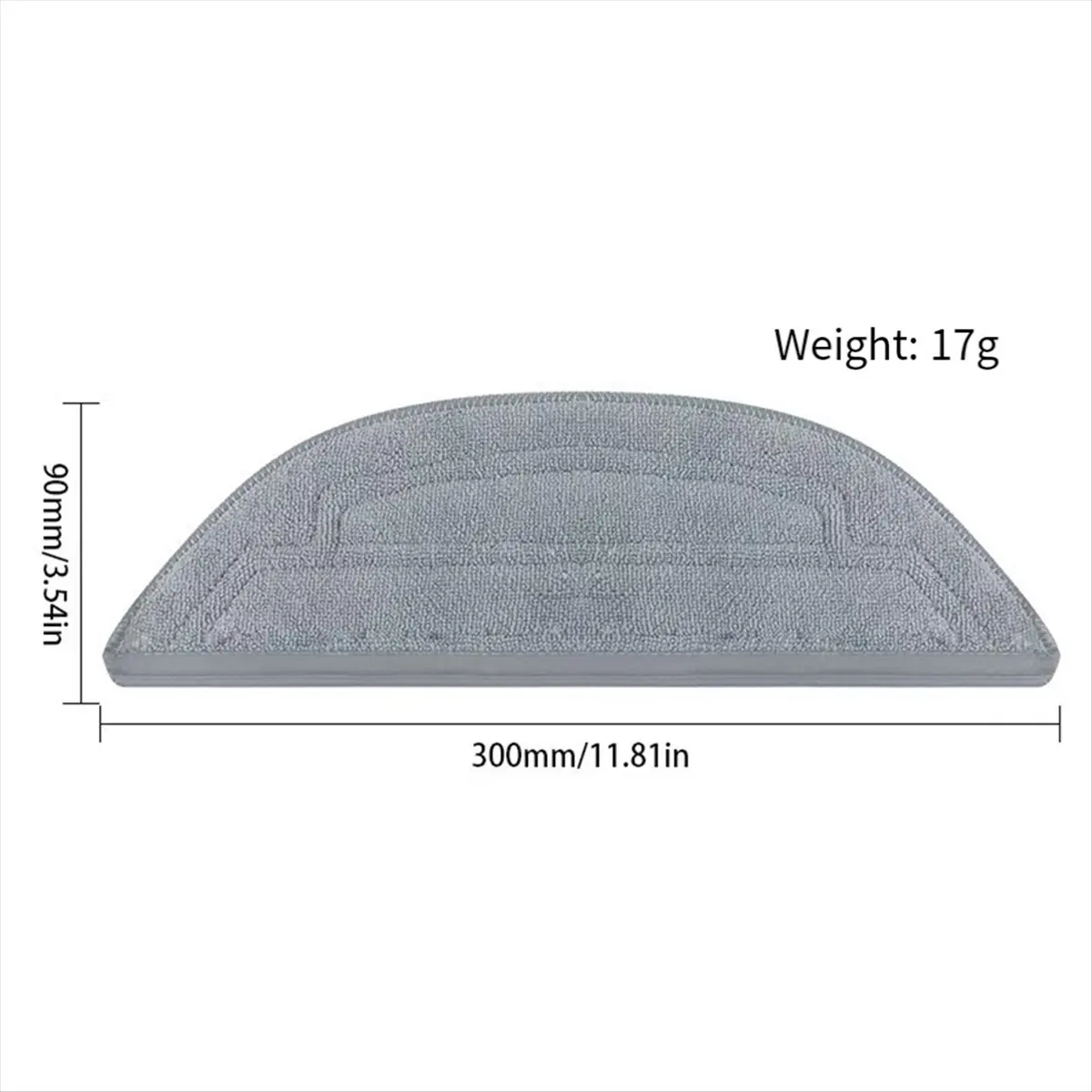
Most budget models are equipped with a passive wet mopping system. This means a microfiber cloth is attached to the robot's body, which is moistened manually or via gravity-fed water. This approach does not provide sufficient pressure on the surface, so dust and light dirt are collected, but dried stains or greasy marks remain untouched.
Real mopping requires active interaction with the floor. If the robot simply drives, pressing a damp cloth with its own weight, it is more of a preventive refresh than cleaning. To choose a robot vacuum for wet mopping that actually works, look for models with vibrating or rotating attachments that create friction and lift dirt from the floor covering.
Active mopping: vibration and rotating brushes
The most effective modern robot vacuums use cloth vibration technology with a frequency of up to 3000-4000 movements per minute. This allows mimicking the motion of a human hand while mopping with a mop. This approach significantly improves cleaning quality even on glossy surfaces, where streaks are usually visible.
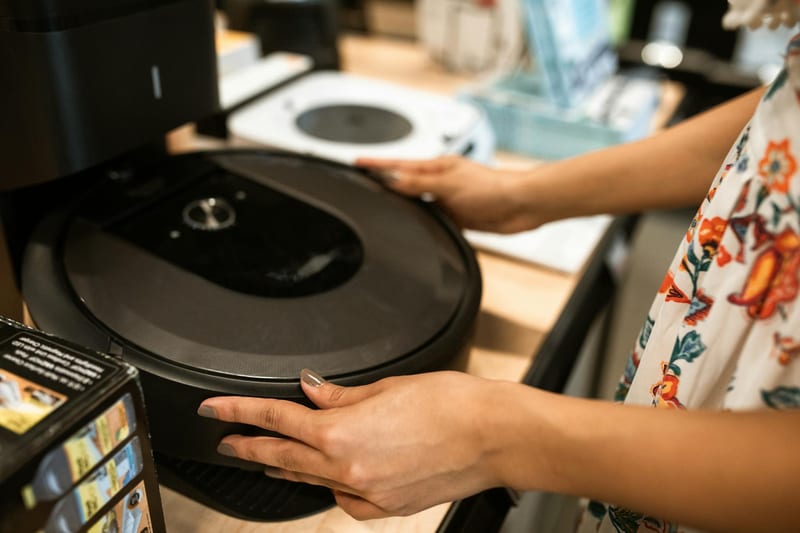
Another option is rotating round attachments that work on the principle of electric mops. They have their own motor, rotate at high speed, and press against the floor. Specialists at ComfortShop note that it is precisely such systems that can handle kitchen grime or shoe marks in the hallway, whereas passive cloths leave them on the surface.
Water tank and dosing system
An important criterion for how to choose a robot vacuum for wet mopping is the volume of the clean water tank. For effective mopping of an apartment of 60-80 m², a tank of at least 250-300 ml will be needed, otherwise the robot will have to return to the base for refilling. Also, pay attention to the presence of an electronic dispenser that regulates the amount of water depending on the floor type.
Some models have a separate tank for collecting dirty water, which is a sign of real mopping, not just wiping. Such a system prevents leaving puddles and spreading dirt, as the used water is sucked back into the container. This fundamentally distinguishes premium robots from budget counterparts.

How to recognize quality wet mopping in the specifications.
Read the function description carefully: if the manufacturer indicates "wet mopping" without specifying the type of water supply or cloth material, it is almost guaranteed to be an imitation. Look for mentions of an electromagnetic valve, pump, or mapping system that automatically increases water flow in the kitchen and decreases it on parquet.
Compatibility with different floor types
A robot vacuum that truly mops must be able to adapt to the floor material. For laminate and parquet, excessive moisture is dangerous, so it is important that the robot can lift the cloth or stop water supply on carpets. Some models can even detect the floor type using sensors and change their operating mode.
For tiles and stone, a more aggressive program with high water consumption and intense friction is needed. If you have mixed flooring at home, choose a model with a "carpet mode" function that automatically lifts the wet attachment to avoid wetting the pile. This is especially important if you plan to use the robot for daily cleaning.
Navigation and mapping for precise mopping
The quality of mopping directly depends on how evenly the robot traverses the surface. Chaotic movement leads to missed spots and repeated passes, increasing cleaning time. Modern models with laser or camera mapping build an accurate map of the room and move along a logical trajectory.
Furthermore, the robot's ability to recognize areas with higher dirt levels is important. In the ranking of robot vacuums with mopping, the highest positions are occupied by models that can mark "hot spots" on the map and return to them for repeated mopping. This allows achieving results close to manual cleaning.
Additional features that enhance efficiency
When choosing a robot vacuum with a mopping function, pay attention to the presence of a self-cleaning dock station. Some models can wash the cloths with hot water and dry them, preventing unpleasant odors and bacteria. This is especially relevant for families with children or allergy sufferers.
- Automatic cloth lifting — allows not wetting carpets and transitioning from tile to laminate without stopping.
- Spot mopping mode — the robot concentrates on a small area, making several passes with maximum water flow.
- Smart home compatibility — the ability to start cleaning by voice or on a schedule via a smartphone.
If you aim to create a truly automated home care system, it's worth considering models that integrate with popular ecosystems. As ComfortShop reviewers note, a robot vacuum for a smart home should not only mop but also maintain itself to minimize your involvement in the process.
Conclusion:
To choose a robot vacuum that truly mops, rather than just imitating the process, focus on three key parameters: the presence of an active friction system (vibration or rotating discs), a separate tank for dirty water, and intelligent navigation with mapping. Do not trust cheap models with passive cloths — they will only refresh the floor but will not remove dried dirt. Invest in technology with a self-cleaning function and adaptation to different floor coverings, and your home will always be impeccably clean without extra effort.
Frequently Asked Questions
How is a robot vacuum with a mopping function different from a regular one?
The main difference is the presence of a water tank and a special attachment (cloth or disc) that actively wets and wipes hard floors, rather than just driving over them with a damp rag.
How to choose a robot vacuum for wet mopping that actually removes stains?
Look for models with an electromagnetic water supply valve that allows you to adjust the wetting intensity, and a vibrating or rotating attachment — this provides the friction necessary to remove dried stains.
Can a robot vacuum that truly mops replace a mop?
Yes, but only for maintenance cleaning: it handles dust and light dirt on hard floors perfectly, but for deep cleaning with chemicals and strong friction, a manual mop will still be needed.
What parameters are important in the ranking of robot vacuums with mopping for a smart home?
Key ones are the water tank volume (from 200 ml for effective wetting), the presence of mapping (to avoid missing areas), and support for voice assistants (Google Assistant or Alexa) for integration into the smart home system.