Choosing toys for a child aged three to five is not just about entertainment, but an important stage in personality formation. It is during this period that children actively explore the world, develop speech, fine motor skills, and social skills. However, the variety of products on the shelves often leaves parents puzzled: how to choose from the bright boxes something that will truly be beneficial, rather than becoming another dust collector? According to the recommendation of the ComfortShop editorial team, the universal rule is simple — the toy must be age-appropriate, safe, and stimulate the child to active action, not passive observation. In this article, we will break down the key selection criteria and tell you how to avoid mistakes with your purchase.
? Table of Contents
- Age-specific features of children 3–5 years: what is important to consider
- Safety criteria and material quality
- How to choose educational toys: from motor skills to logic
- Construction sets: a universal development tool
- Interactive and electronic toys: moderation is key
- Tips for choosing based on the child's interests
- Conclusion:
Age-specific features of children 3–5 years: what is important to consider
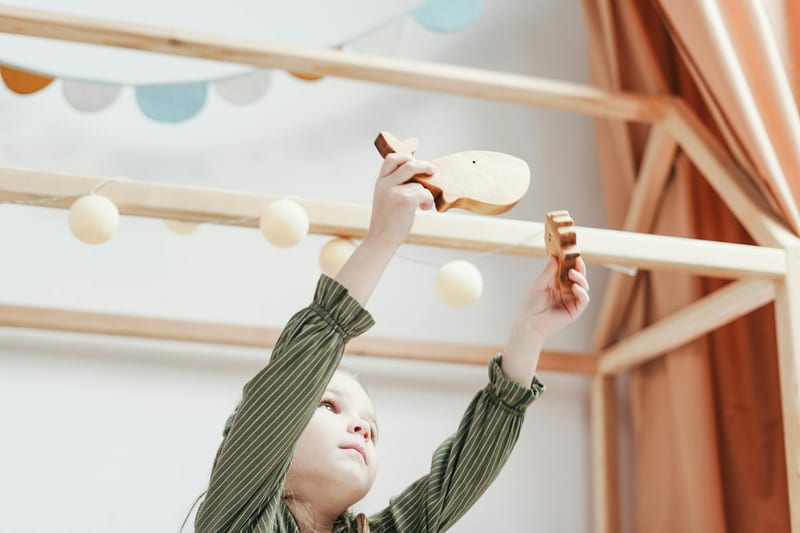
Before buying yet another set, it is worth understanding which skills are actively developing in a child at this age. At three years old, a child experiences a crisis of self-assertion — it is important for them to feel independent. At four to five years old, imagination, role-playing games, and the desire to imitate adults come to the forefront.
Therefore, toys for the development of a 3-5 year old child should meet two basic needs: provide an opportunity for creative self-expression and train logic. At this age, children learn to count, distinguish colors and shapes, and build cause-and-effect relationships. Toys that are too simple (e.g., rattles) are no longer interesting to them, while those that are too complex (e.g., science kits) are still incomprehensible.
The key task for parents is to find a middle ground where the element of play is combined with an educational component. Such items stimulate curiosity and prevent the child from getting bored.
Safety criteria and material quality
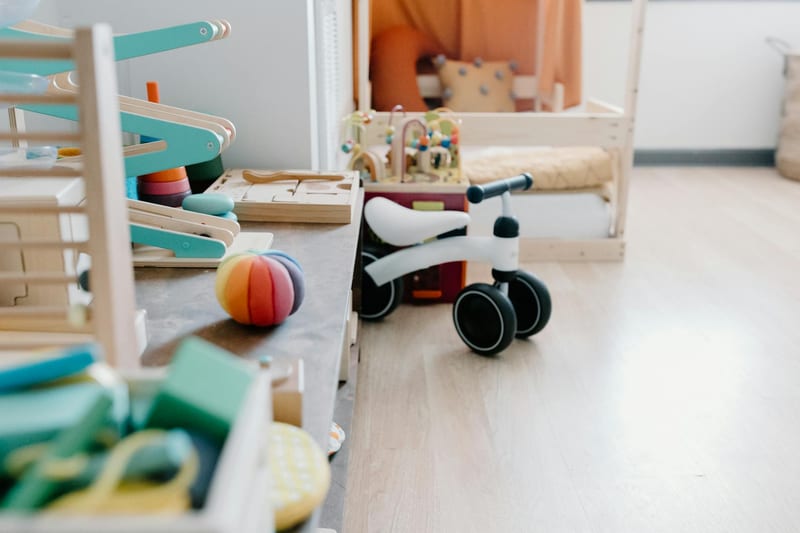
Safety is the first thing to pay attention to when choosing educational toys for preschoolers. Children aged 3–5 often put objects in their mouths, throw them, or try to take them apart. Therefore, materials must be non-toxic, without a strong chemical smell, and all small parts must be securely fastened.
Choose toys with quality certificates (e.g., CE or EN71). Give preference to wood, high-quality plastic without Bisphenol A, or textiles with hypoallergenic impregnation. Avoid products with sharp edges, fragile elements, and long cords that could cause suffocation.
ComfortShop experts advise checking the toy's durability even in the store: try to bend or pull on the parts. If they come off easily, it is better to refuse such a purchase. Remember: the child's health is more important than a bright package.
How to choose educational toys: from motor skills to logic
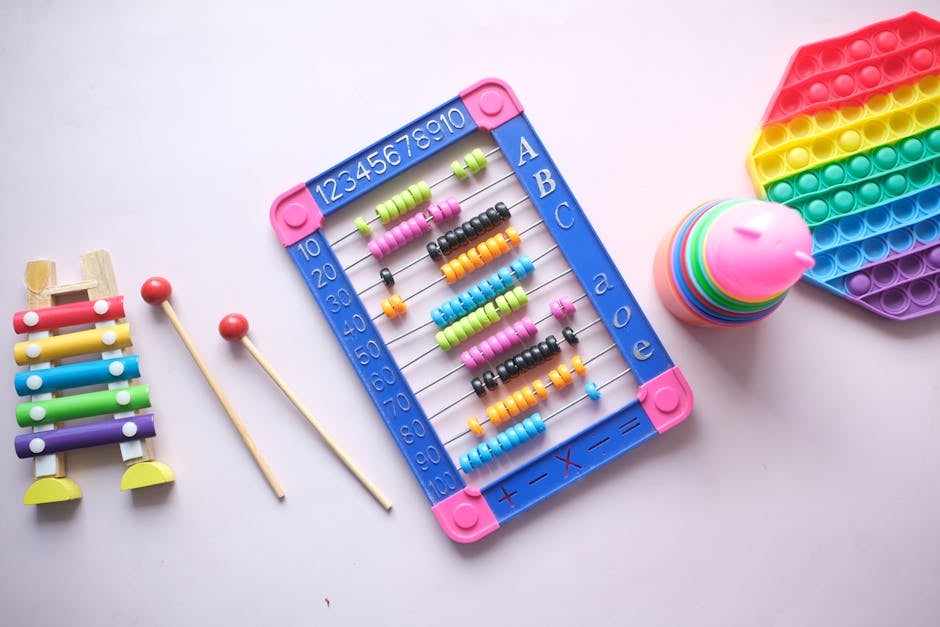
To understand which toys to buy for a 3-year-old child, it is worth dividing them into several categories based on the type of skills they train. The first group is fine motor skills: beads for stringing, lacing, mosaics, and construction sets with large parts. They prepare the hand for writing and improve coordination.
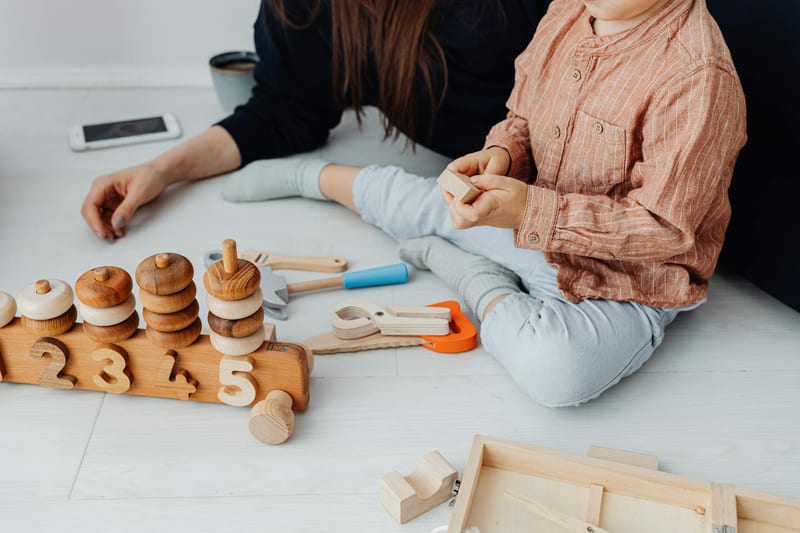
The second group is logic games: puzzles with 12–24 pieces, sorters, shape sorters, and simple lotto games. They teach analysis, comparison, and finding patterns. For children aged 4–5, add board games with rules — this perfectly trains attention and the ability to follow instructions.
The third group is creative sets: plasticine, paints, colored paper, stickers. They develop imagination and emotional intelligence. Choose sets with a variety of textures and colors — this stimulates sensory perception.
Role-playing games as a foundation for socialization.
A separate important category is sets for role-playing games: kitchen, hospital, store, workshop. They help the child model social situations, develop speech and empathy. Choose sets that can be combined — this provides room for imagination and long-lasting play.
Construction sets: a universal development tool
Construction sets deserve special attention, as they are one of the best investments in a child's development. For ages 3–5, choose sets with large blocks (like LEGO Duplo or their analogs) — they are safe and convenient for small hands.
Construction trains spatial thinking, imagination, and perseverance. The child learns to plan their actions, create structures based on a model, or invent their own. This is the ideal answer to the question of how to choose educational toys that won't get boring in a week.
Pay attention to themed sets: farm, zoo, fire station. They combine construction with role-playing, which doubles the benefit. Children aged 4–5 can already assemble simple models according to instructions, preparing them for working with algorithms in the future.
Interactive and electronic toys: moderation is key
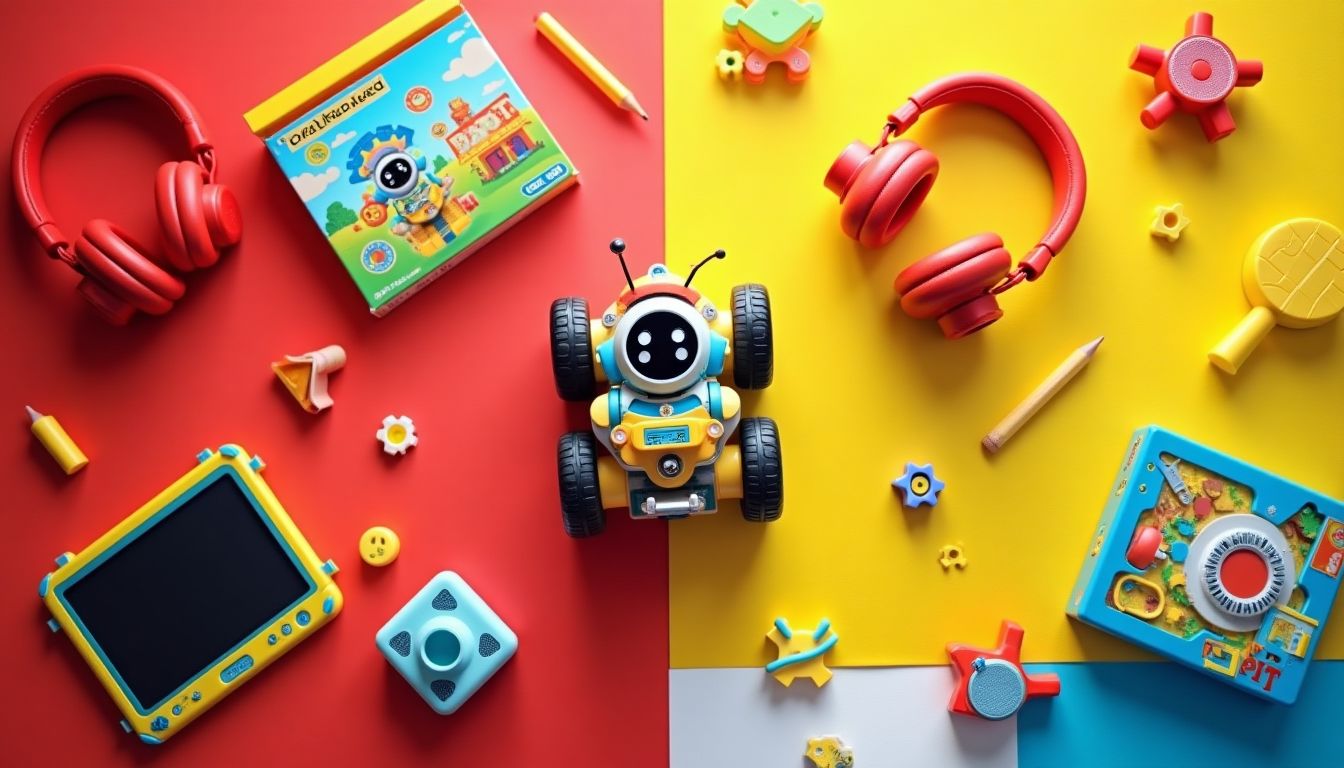
The modern market offers a multitude of electronic gadgets for children: interactive books, tablets, robot toys. They can be useful, but only with measured use. Excessive screen time hinders the development of speech and social skills.
If you choose an electronic toy, give preference to those that require the child's active participation: interactive pens that voice letters, or simple programmable robots that move on command. They should be a supplement to regular games, not a replacement for them.
The best approach is to alternate active, creative, and calm games. This way, the child receives well-rounded development without the risk of overloading the nervous system.
Tips for choosing based on the child's interests
Every child is unique — what captivates one child may leave another indifferent. Therefore, before buying another toy, observe the child: what they like to do, what themes they choose in games, whether they like to draw, build, or run.
Active children will benefit from sports sets (balls, bowling pins, dry pool), while calm children will prefer puzzles, modeling sets, or sticker books. If the child is interested in animals, choose themed construction sets or figurines. As ComfortShop reviewers note, the principle of "one toy — one skill" works best: do not try to pack everything into one item at once.
Do not be afraid to make mistakes — sometimes children themselves will indicate what interests them. The main thing is to provide variety that covers all areas of development: physical, intellectual, creative, and emotional.
Conclusion:
Choosing educational toys for children aged 3-5 is a responsible task that requires attention to age-related needs, safety, and the individual interests of the child. The best approach is to combine toys for motor skills, logic, creativity, and socialization, avoiding an overload of electronics. Remember: a quality toy does not necessarily have to be expensive, but it should encourage the child to think, experiment, and interact with the world. Choose wisely, and then every purchase will be a step towards the harmonious development of your child.
Frequently Asked Questions
Which toys best develop fine motor skills in 3-5 year olds?
For developing fine motor skills, choose construction sets with small parts, beads for stringing, puzzles, mosaics, and sorters — they train the fingers and prepare the hand for writing.
Is it worth buying electronic educational toys for a 3-5 year old child?
Electronic toys can be used in moderation, but priority should be given to simple materials (wood, plastic, fabric) that stimulate imagination and tactile sensations, rather than passive content consumption.
How to know if a toy is suitable for a 3-year-old child?
Check the age marking on the packaging and assess whether the toy's complexity matches the child's skills: it should spark interest but not be too easy or too difficult for independent play.
Which toys should I buy for a 4-5 year old child to prepare for school?
Choose counting sets, letter puzzles, logic games (e.g., "Tangram" or "Lotto"), as well as role-playing sets (doctor, store) — they develop speech, attention, and social skills.