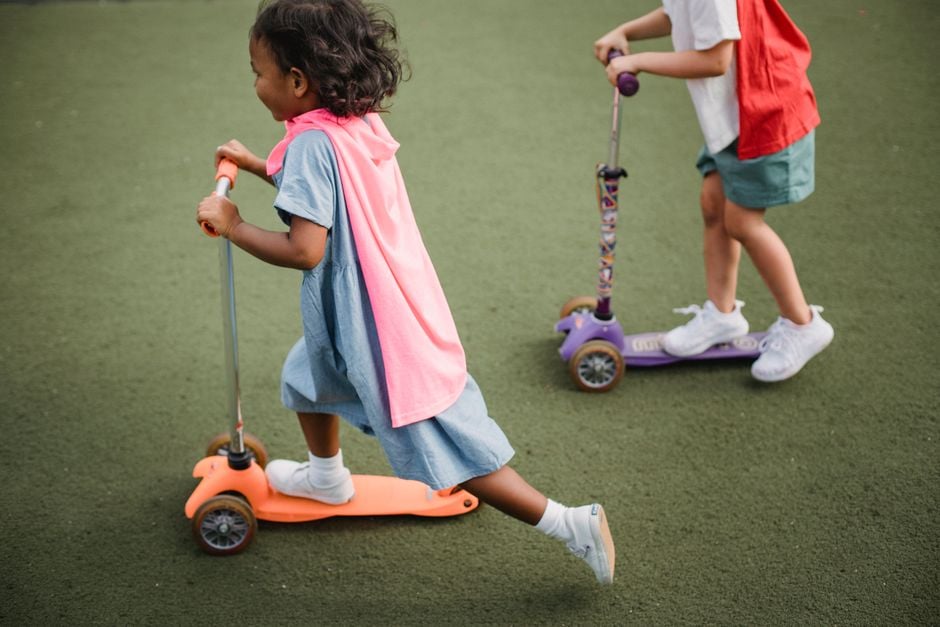
Choosing a children's scooter today turns into a real challenge for parents: store shelves are filled with models ranging from simple three-wheeled options to powerful electric scooters. To avoid getting lost in this variety, it is worth clearly understanding for which age and skill level a particular vehicle is intended. According to the recommendation of the ComfortShop editorial team, the right approach to choosing begins with assessing safety, convenience, and suitability for the child's skills, because each type of scooter has its own operational features.
Article Contents
First Steps: Three-Wheeled Models for Toddlers
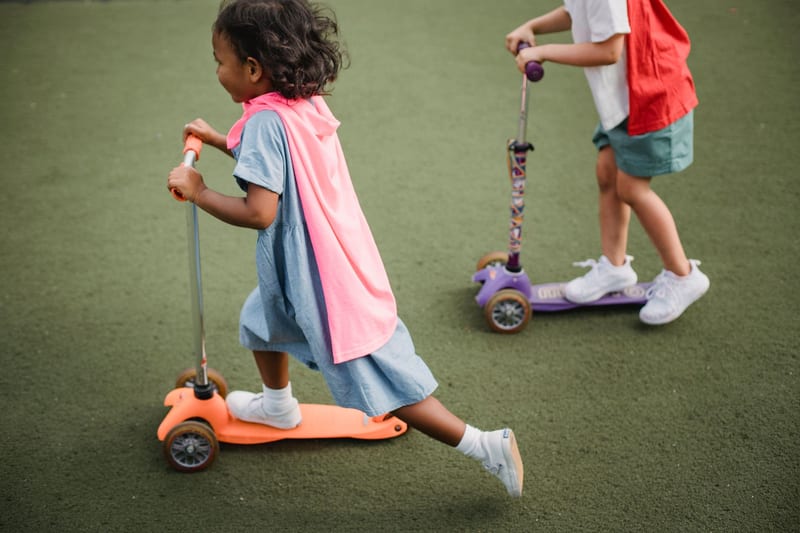
For children aged 2 to 4 years, a classic three-wheeled scooter is the ideal choice. Its design provides maximum stability thanks to two wheels at the front, allowing the child to easily learn to maintain balance. Such models usually have a low deck, making it easier to get on and off.
It is important to pay attention to the material of the frame and wheels: polyurethane wheels ensure a smooth ride even on uneven asphalt, and an aluminum frame makes the structure lightweight for carrying. If you plan to buy a children's scooter for the youngest, choose models with an adjustable handlebar — this will allow using the vehicle for several seasons in a row.
Two-Wheeled Scooters: Developing Coordination and Speed
When a child confidently masters basic riding skills, it's time to move on to two-wheeled models. Such a scooter for children aged 5 to 8 years becomes a true friend for active outings. It develops coordination of movements, strengthens leg and back muscles, and teaches quick reactions to changing road situations.

ComfortShop specialists advise paying attention to models with suspension — they significantly reduce the load on the spine when riding over bumps. The braking system is also an important element: the foot brake on the rear wheel is considered the most reliable, allowing for a quick stop without the risk of tipping over. Reviews of children's scooters from parents often praise the presence of additional reflectors, which increase safety in the evening.
How to choose the ideal wheel size for a child.

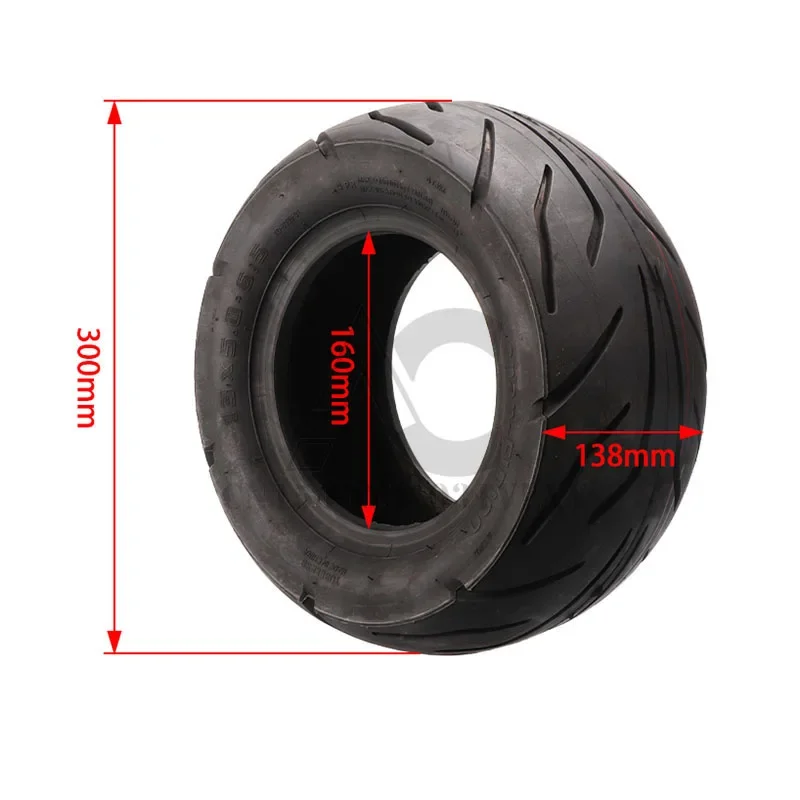
Wheel diameter directly affects speed and maneuverability. For children aged 5-7, wheels of 120-145 mm are considered optimal — they provide good acceleration and stability. Teenagers aged 8 and older should choose models with wheels of 150-200 mm, which better handle road irregularities and allow for higher speeds.
Electric Scooters: When Speed Becomes a Priority
A children's electric scooter is a completely new level of excitement and mobility. Modern models can reach speeds of 15-20 km/h, making them an excellent option for teenagers aged 10 and older. However, such transport requires a responsible attitude and the mandatory use of protective gear.
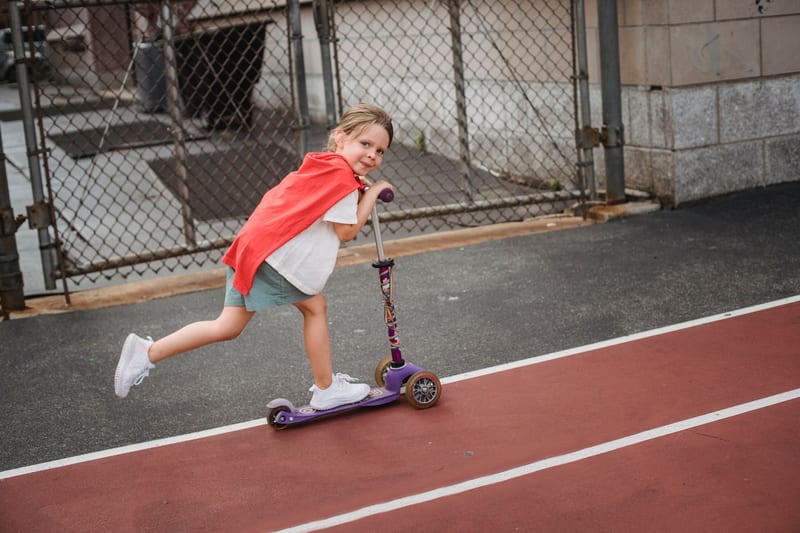
When choosing a children's electric scooter, pay attention to the battery capacity. For daily trips lasting 30-40 minutes, a battery of 4-5 Ah is sufficient. It is also important to check for a speed limiter mode, which allows parents to control the child's safety during the initial learning phase. Children's electric scooters are often equipped with front and rear lights, making them visible in the dark.
Safety Above All: Protective Gear and Rules
Regardless of which scooter you choose — mechanical or electric — the child's safety should always come first. The mandatory minimum includes a helmet, knee pads, and elbow pads. For electric scooters, it is additionally recommended to purchase bicycle gloves to protect the palms in case of a fall.
Teach your child the basic rules: always look both ways before entering the road, avoid puddles and sand, and do not exceed a safe speed. If you are looking for a scooter for a child who is just starting to explore the street, choose models with a wide deck — they provide better stability and reduce the risk of accidental foot slipping.
Reviews and Tips: What Parents Pay Attention To
Reviews of children's scooters from real users often become a decisive factor in the purchase. Parents most often note the importance of a lightweight construction — the child should be able to lift and carry their own vehicle. Also popular are models with a folding mechanism, which is convenient for storage in an apartment or transportation in a car.
ComfortShop reviewers recommend paying attention to the presence of high-class bearings (ABEC 5 or 7) — they ensure smooth running and durability. Equally important is the material of the grips: soft silicone covers prevent hands from slipping even in hot weather. If you plan to buy a children's scooter as a gift, choose versatile models in the mid-price range that are suitable for different ages.
Conclusion:
The choice of a children's scooter depends on the child's age, physical fitness, and desired activity level. For toddlers, stable three-wheeled models are best; for schoolchildren, two-wheeled models with suspension; and for teenagers, electric scooters with a speed limiter function. Regardless of the type of transport, the child's safety and comfort while riding should remain the top priority. You can purchase a high-quality children's electric or mechanical scooter at ComfortShop, which offers proven models with a manufacturer's warranty.
Frequently Asked Questions
From what age can a child buy an electric scooter?
Most manufacturers recommend children's electric scooters for children aged 6-8 years and older, as good coordination and the ability to maintain balance at speed are required for control.
How to choose between a regular scooter and an electric scooter for a child?
If the child is just learning to ride or you need transport for active games in the yard, choose a regular scooter. A children's electric scooter should be bought for long walks and covering significant distances, but only if the child is confident on the road.
Is it worth buying an expensive children's scooter with an aluminum frame?
Yes, it is justified: an aluminum frame is significantly lighter than a steel one, so it will be easier for the child to lift the scooter, and it will also last longer due to its resistance to corrosion and stress.
What should you pay attention to in reviews of children's scooters?
First of all, read reviews about the wear resistance of the wheels, the reliability of the braking system, and the convenience of handlebar adjustment — these are key parameters that affect the child's safety and comfort while riding.