The world of a child from one to three years old is a continuous discovery. It is during this period that basic neural connections are formed, and fine motor skills, sensory perception, and speech develop. Properly selected Montessori toys for ages 1-3 become not just entertainment, but a powerful tool for independent exploration of the world. According to the recommendation of the ComfortShop editorial team, the key to success is not quantity, but quality and the alignment of materials with the child's age-specific needs. This article will help you build an ideal basic set, avoiding unnecessary clutter and wasted expenses.
Article Contents
Principles for choosing toys according to the Montessori method
Before buying the first materials, it is worth understanding the philosophy. The Montessori method is based on freedom of choice and independence. A toy should be aesthetically appealing, made from natural materials (wood, metal, fabric), and contain a clear purpose. No cartoon characters or chaotic sounds — only pure function and isolation of difficulty.
An important criterion is the control of error. The child must understand on their own whether they completed the task correctly, without adult intervention. For example, if a piece does not fit into the opening, the child sees this immediately. That is why Montessori materials for little ones often look very simple, but this simplicity is deceptive — behind it lies deep knowledge of child psychology.
After analyzing open sources, the ComfortShop editorial team notes that for ages 1-3, it is critically important to avoid sensory overload. Bright, acidic colors and loud electronics hinder the development of concentration, which is the foundation of intellect.
Basic set for a one-year-old explorer
At 12 months, a child actively trains grasping and "eye-hand" coordination. A basic Montessori set for age 1 should include objects that can be grabbed, thrown, pushed, and inserted. This is the foundation for understanding cause-and-effect relationships.
Key materials for getting started.
The best choices would be wooden rattles with a clear sound, soft balls of different textures, and simple boxes with holes for balls. A box with fabrics deserves special mention — pieces of different materials that the child will feel, developing tactile perception. At this age, large wooden beads on a sturdy cord also work wonderfully, although stringing them will become accessible a little later.
Don't forget about practical life skills. Real Montessori materials for little ones are not only toys from the shelf, but also safe household items: a wooden spoon, a small strainer, or a sponge for water. They give a sense of participation in the real life of adults.
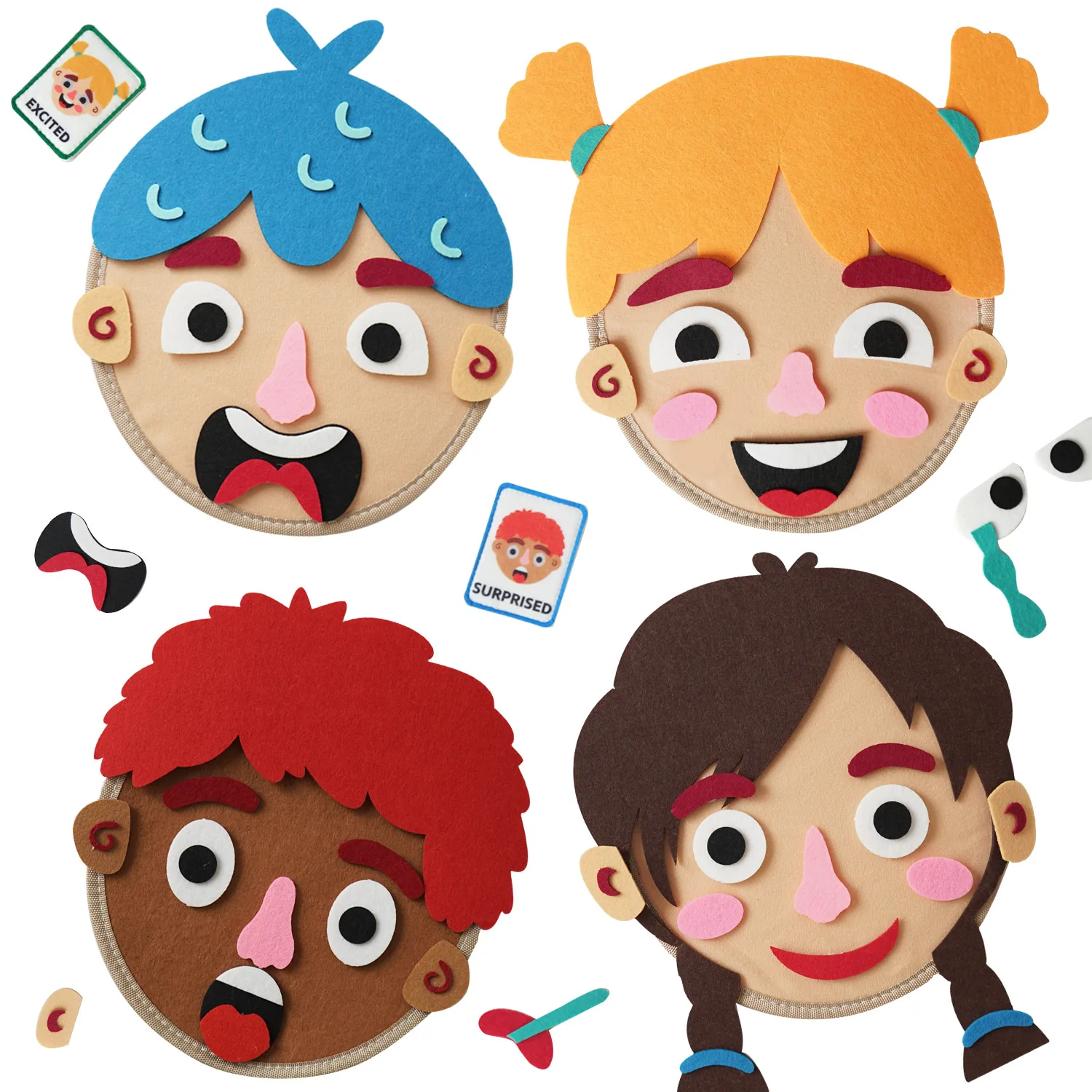
Developing concentration at age 2: making tasks more complex
Age two is the peak of interest in small details and sorting. Montessori toys for children aged 2 should offer more complex action sequences and train the pincer grip, which directly influences the development of the brain's speech centers.
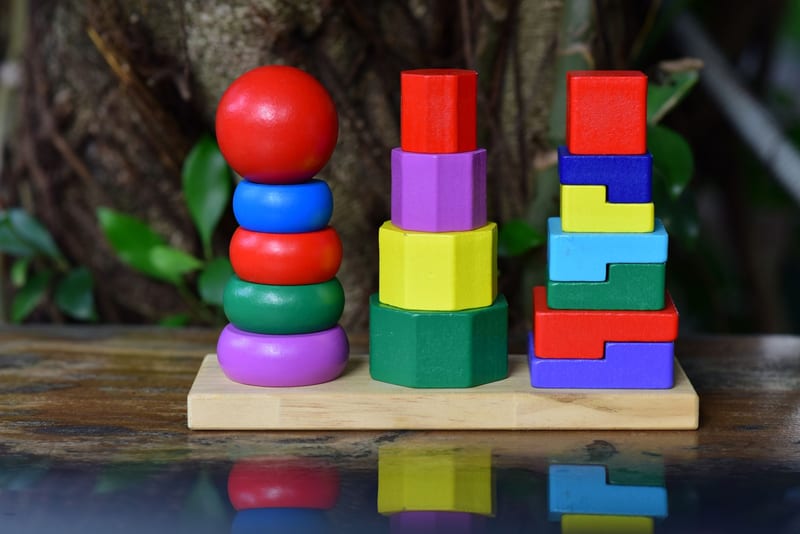
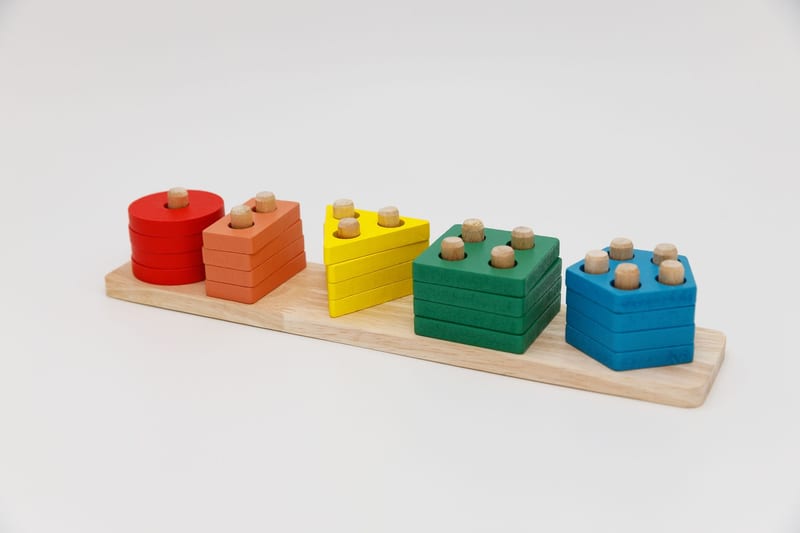
An ideal basket filler would be various geometric shape sorters, but not plastic ones — wooden ones with clear outlines. Pyramids with rings of different diameters teach the concept of "bigger-smaller," and simple puzzles with 3-5 pieces with wooden knobs train logic. It is during this period that a child is able to concentrate for a long time on one activity if it matches their inner need.
Based on an analysis of characteristics, ComfortShop recommends paying attention to sensory bins with pourable materials. Pouring grains from one jug to another or fishing small figures out of beans is an incredibly useful activity for sensory integration. The main rule is safety and the presence of an adult nearby.
The area of practical life and creativity
The Montessori method places huge emphasis on exercises from everyday life. This is not just a game, but the formation of an independent personality. For ages 2-3, the focus shifts to more complex manipulations with objects.
Tools that change thinking.
The arsenal should now include children's cleaning sets (brush, dustpan), watering cans for watering flowers, and safe knives for cutting soft fruits. These are true Montessori educational toys for age 3, as they require complex coordination of both hands and planning a sequence of actions. The child learns to care for their environment and themselves, which boosts their self-esteem.
For creativity, it is worth choosing wax crayons of a comfortable shape and large sheets of paper. No coloring books with clear outlines — only free self-expression. Modeling with dough or soft wax also wonderfully strengthens the hands, preparing them for writing in the future.
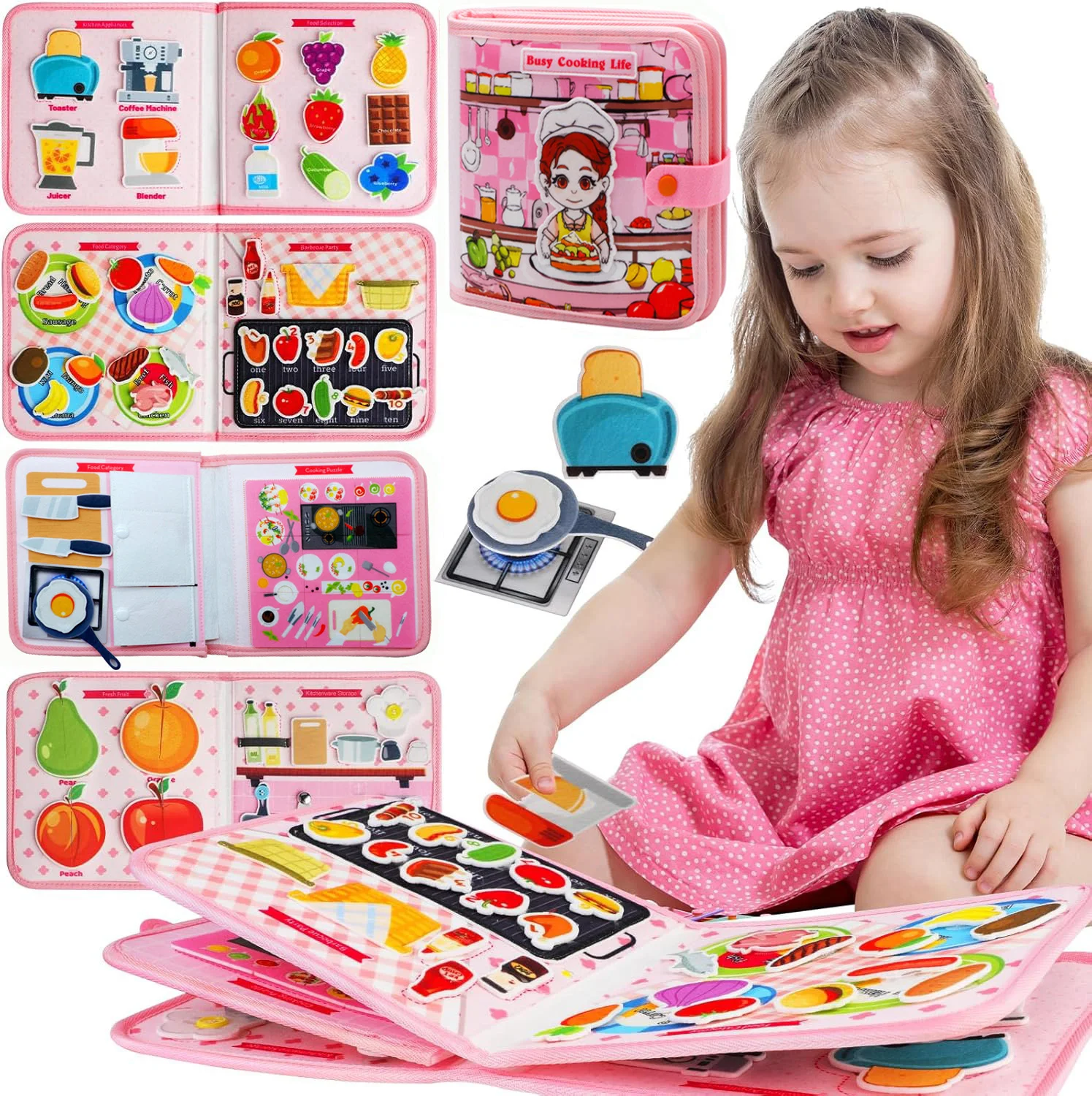
Montessori materials for an active three-year-old
Closer to age three, the child enters a sensitive period for order and language. Their brain is ready for classifications, seriations, and learning abstract concepts through concrete objects. Montessori educational toys for age 3 are already small learning aids.
At this stage, number rods (bars of different lengths), color tablets for finding shades, and sandpaper letters become indispensable. The latter allow the child to memorize the image of a letter through tactile sensation, even before they pick up a pen. Cards for matching "object-image" also work great for expanding vocabulary.
The ComfortShop editorial team advises not to ignore musical instruments with a clear sound: a metallophone, a triangle, or maracas. They develop auditory perception and a sense of rhythm, which is closely linked to mathematical abilities.
Conclusion:
By building a basic Montessori set for age 1 and gradually expanding it up to age three, you are investing in the harmonious development of your child. Avoid over-saturating the space — 5-6 quality materials within easy reach are better than a pile of unnecessary things. Based on an analysis of the needs of children of this age, ComfortShop recommends betting on natural materials, simplicity of design, and a clear purpose for each item, because it is precisely such an environment that fosters a curious, self-confident, and independent personality.
Frequently Asked Questions
Which Montessori toys are best suited for a 1-year-old child?
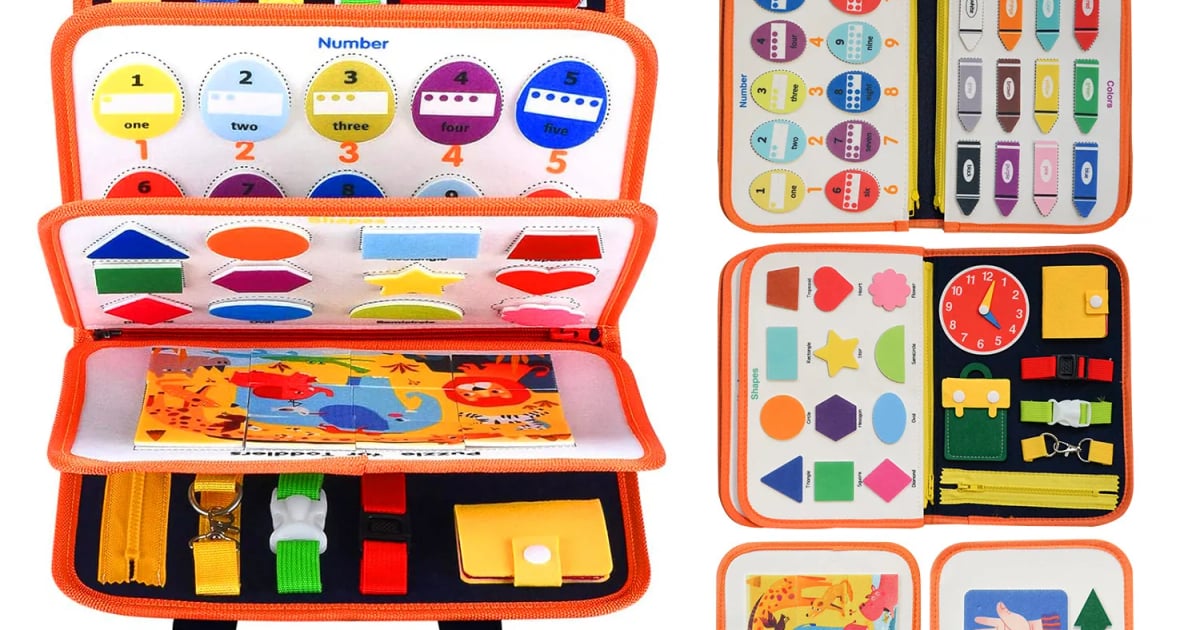
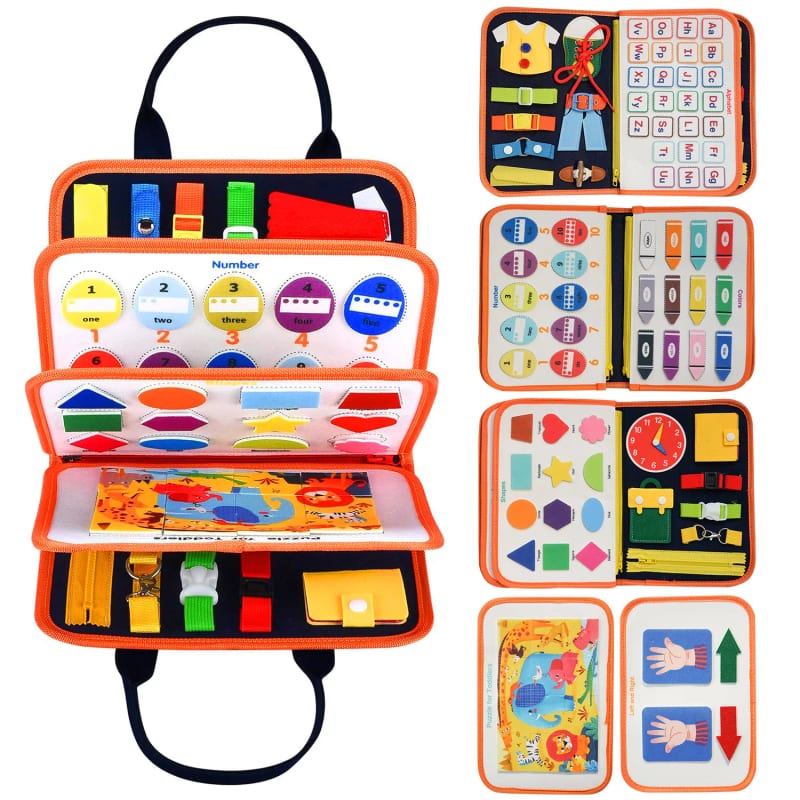
For toddlers from 1 year old, choose toys that stimulate sensory perception and fine motor skills: sorters, busy boards, pyramids, and boxes for inserting objects.
How are Montessori toys for 2-year-old children different from regular ones?
Montessori toys for 2-year-olds are made from natural materials, have a single educational function, and are aimed at developing independence, concentration, and logic, rather than entertainment.
What is included in a basic Montessori set for a 3-year-old child?
The basic set for age 3 includes inset frames, counting materials, sorting objects, bead stringing sets, and simple puzzles.
Can Montessori educational toys be made by hand?
Yes, many materials can easily be created at home from everyday items: boxes with holes, bags filled with grains, cardboard sorting cards, or wooden clothespins.