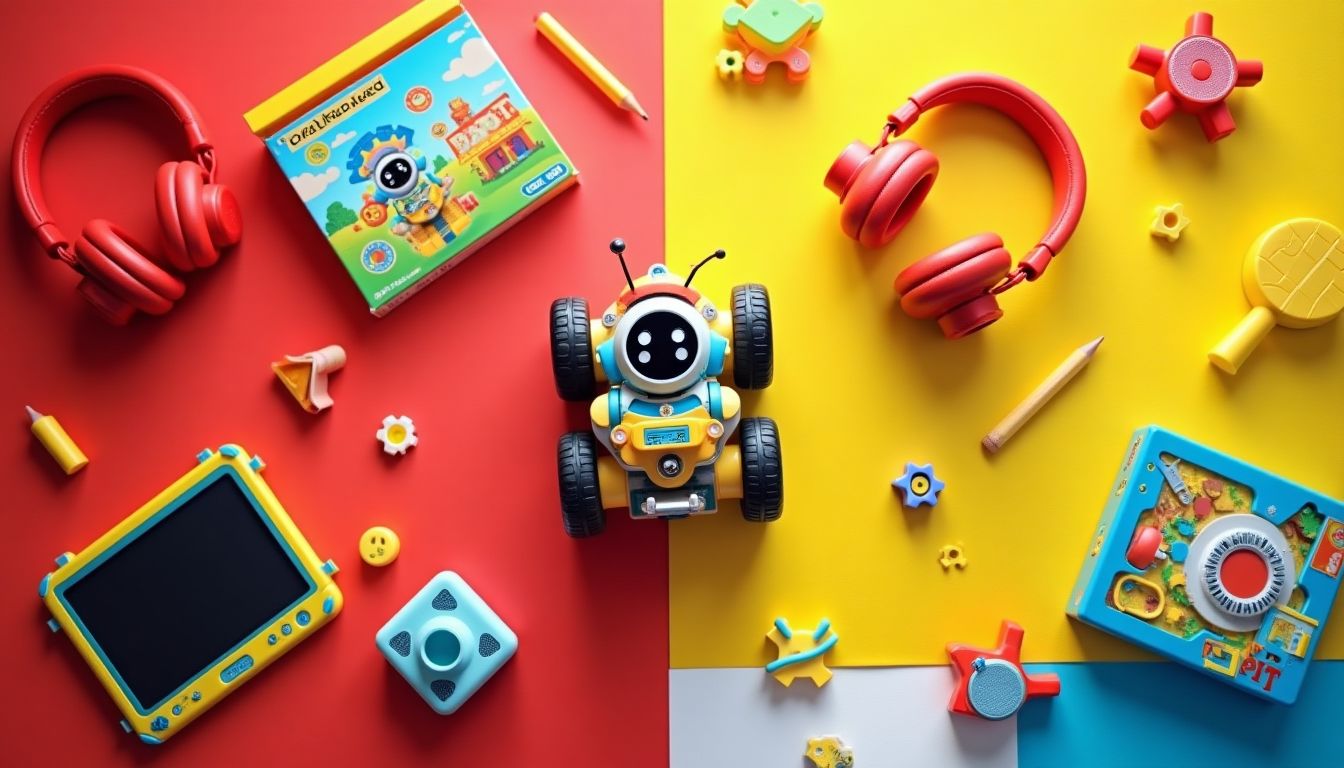
Ages 8-12 is the golden middle of childhood, when curiosity peaks and the school curriculum can't keep up with the natural desire to experiment. Right now, a child vitally needs not just toys, but tools for understanding the world. STEM kits for children 8-12 become that very bridge between textbook theory and exciting practice. ComfortShop reviewers recommend paying attention to this product category, as it combines play with serious learning, preparing the child for the challenges of the modern world.
? Table of Contents
Why is STEM important specifically at ages 8-12?
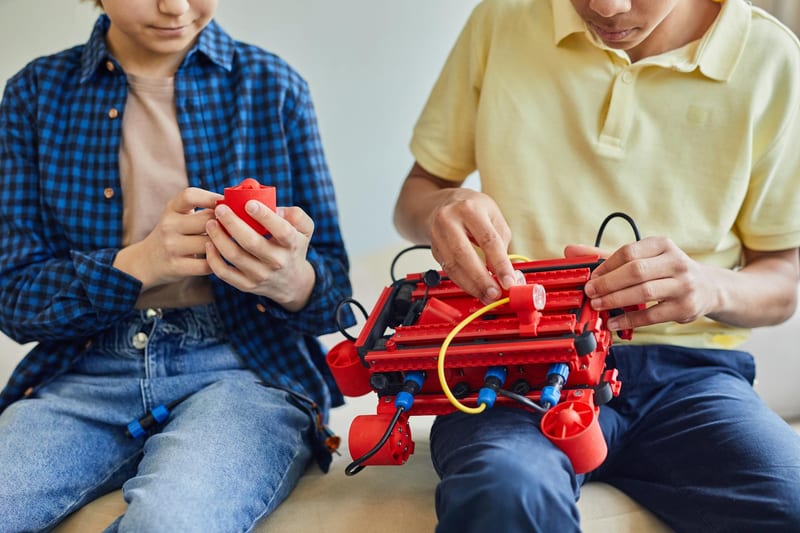
In early school age, a child's brain is extremely plastic. It easily absorbs new neural connections, especially if learning happens through action. Ordinary toys quickly become boring, while STEM building kits for teenagers and younger schoolchildren offer a challenge. They make you think, analyze mistakes, and look for non-standard solutions.
It is at this age that the attitude towards exact sciences is formed. If physics or chemistry are associated with fun experiments and bright results, the teenager will not be afraid of complex formulas in the future. Experiment kits for children aged 10 turn abstract concepts into something real and tangible.
The key to success is the right balance of difficulty and interest.
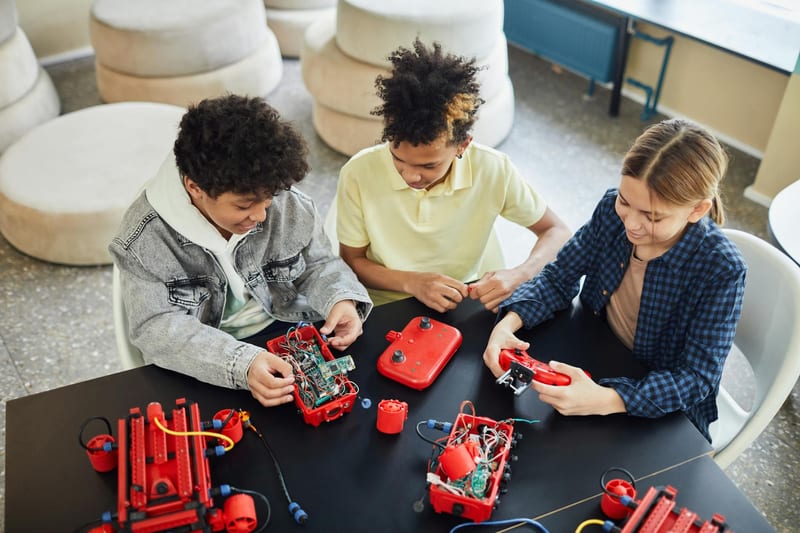
A kit that is too simple will not spark interest, while one that is too complex will cause disappointment. The ideal option is one where the child can achieve a result independently or with minimal help from an adult, receiving a powerful incentive to move forward.
Robotics: the first step to engineering
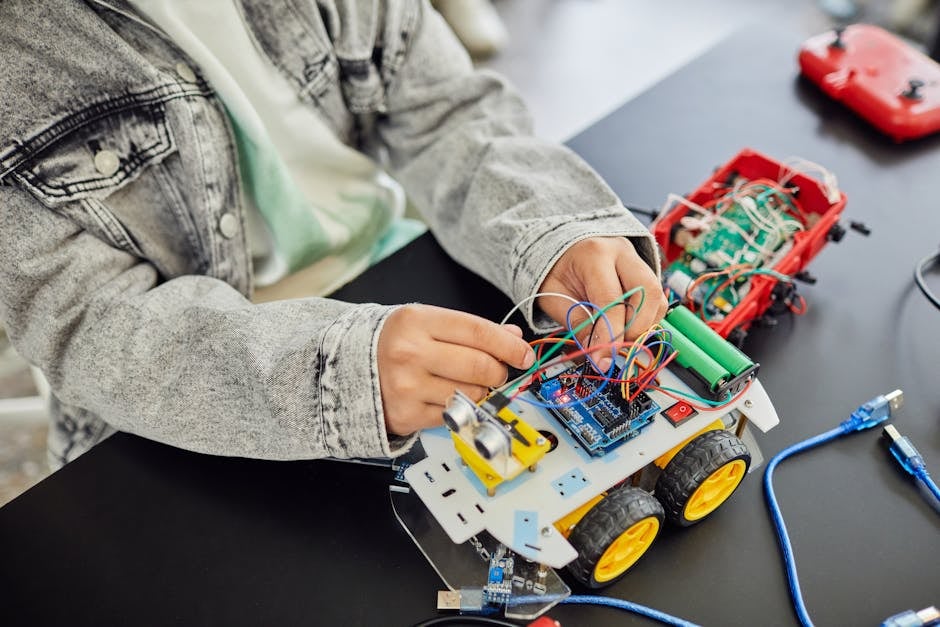
Robotics for children 8-12 is perhaps the most popular direction in the world of STEM. It combines mechanics, electronics, and the basics of programming. The child doesn't just assemble parts according to instructions — they create a mechanism that executes commands. This fundamentally changes thinking: from a consumer of technology to a creator.
Modern kits allow you to build a robotic arm, a car with motion sensors, or even a robot artist. Importantly, the child sees the result of their work immediately: the robot moves, draws, or reacts to obstacles. This gives an unforgettable feeling of "I made this!".
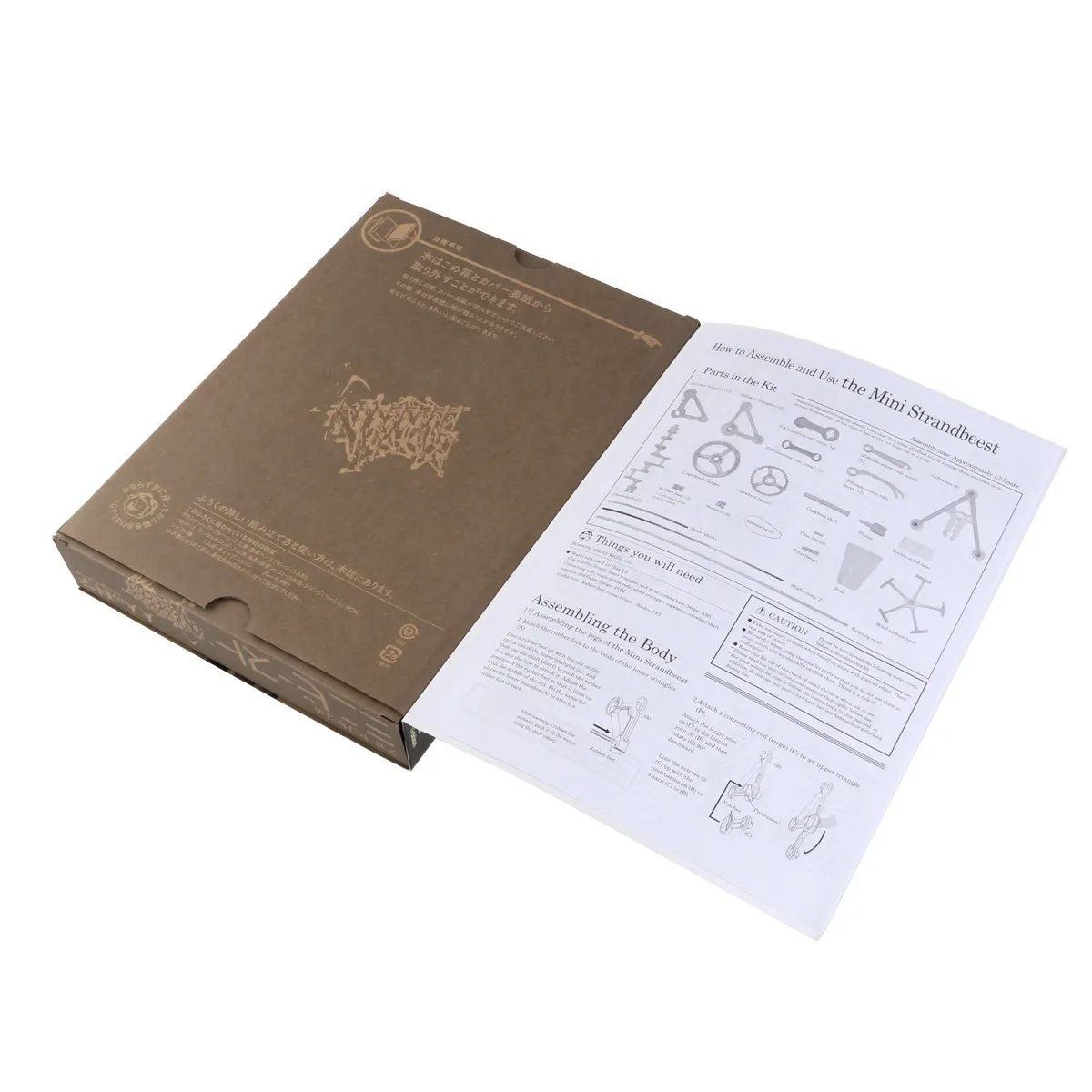

ComfortShop experts advise starting with kits based on block programming, where the algorithm is created from visual blocks. This is an ideal way to master the logic of coding without a language barrier, which is especially relevant for children aged 8-10.
Science experiments: chemistry and physics at home
Experiment kits for children aged 10 open the door to the world of real science. Instead of boring paragraphs — growing crystals, creating a volcano, or experiments with magnetism. Each such experiment is a small discovery that explains how the world around us works.
The more practice, the deeper the understanding of theory.
For example, an electricity learning kit allows you to build a real circuit with a light bulb and a switch. The child sees with their own eyes what voltage and resistance are. Such knowledge stays for life because it is backed by personal experience.
When choosing such kits, pay attention to safety. Quality manufacturers use non-toxic materials and provide clear instructions. For children aged 8-12, this should be a safe but exciting introduction to the laboratory.
How to choose the perfect STEM kit?
To buy STEM kits for schoolchildren that will actually work, several factors should be considered. First, the child's interests. If they love to draw, choose robotics kits where the robot draws. If they are fascinated by space — astronomy kits or solar system models.
Second, the level of preparation. For beginners, kits with detailed instructions and a minimum number of parts are suitable. Experienced young engineers can be offered more complex options with an open-ended outcome, where the child themselves decides what to build.
- Age appropriateness: The manufacturer always indicates the recommended age. Don't buy a kit "for growth" — it can kill interest.
- Quality of materials: Parts should be durable, without sharp edges or a strong plastic smell.
- Availability of instructions: It's good when there is a paper manual or access to video tutorials.
- Reusability: The best kits allow you to build several different models from one set.
Building kits with programming: from gamer to developer
A separate category is STEM building kits for teenagers that teach programming through play. The child writes code for a game character or programs a robot's behavior. This is a great way to turn a passion for computers into a useful activity.
Many modern kits use Python or Scratch. They have a bright interface and clear tasks. The child quickly sees how changing the code affects the device's behavior, which is the best motivation for learning algorithms.
As ComfortShop reviewers note, such kits are especially useful for children who spend a lot of time on tablets. They change passive content consumption into active creation, which is a critically important skill in the 21st century.
Conclusion:
STEM kits for children 8-12 are not just toys, but an investment in the child's future. They develop logic, creativity, and engineering thinking, preparing them for the real challenges of the modern world. Choose kits that match the child's age and interests, and you will see how learning turns into an exciting adventure. You can buy STEM kits for schoolchildren in our catalog, which features proven options for different levels of preparation.
Frequently Asked Questions
Which STEM kit is best for a 10-year-old child interested in chemistry?
For young chemists, choose experiment kits for children aged 10 with safe reagents and equipment, such as a crystal laboratory or chemical experiments with indicators.
Can I buy STEM kits for schoolchildren that combine robotics and programming?
Yes, popular STEM building kits for teenagers based on Arduino or Micro:bit allow you to build a robot and learn the basics of coding, which is ideal for robotics for children 8-12.
Which science kits develop logic and engineering thinking in an 8-year-old child?
Choose mechanical building kits with gears, motors, and sensors — they teach how to build models and understand physical laws, which is the foundation of STEM kits for children 8-12.
Is it worth buying complex experiment kits for a 12-year-old child if they are a beginner?
It's better to start with basic kits with step-by-step instructions, and then move on to more complex ones, so as not to dampen interest in science and robotics for children 8-12.