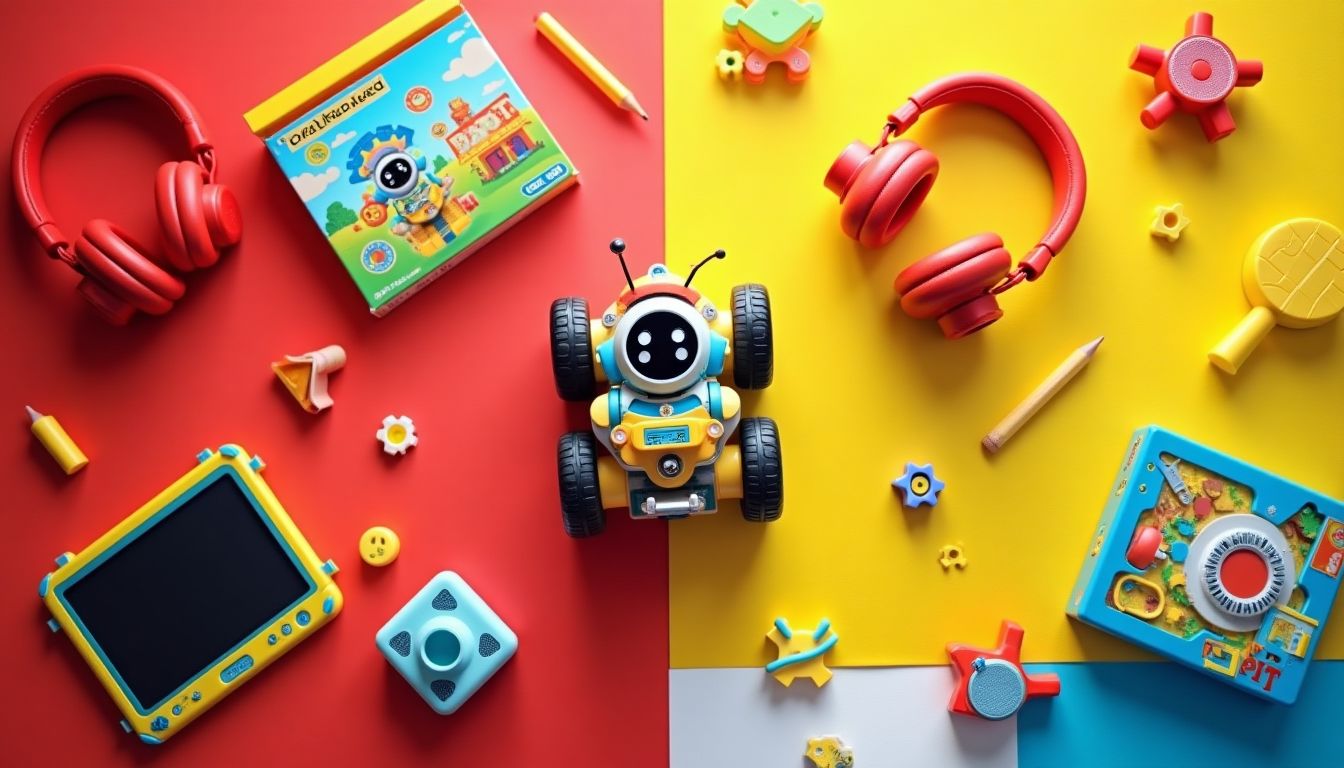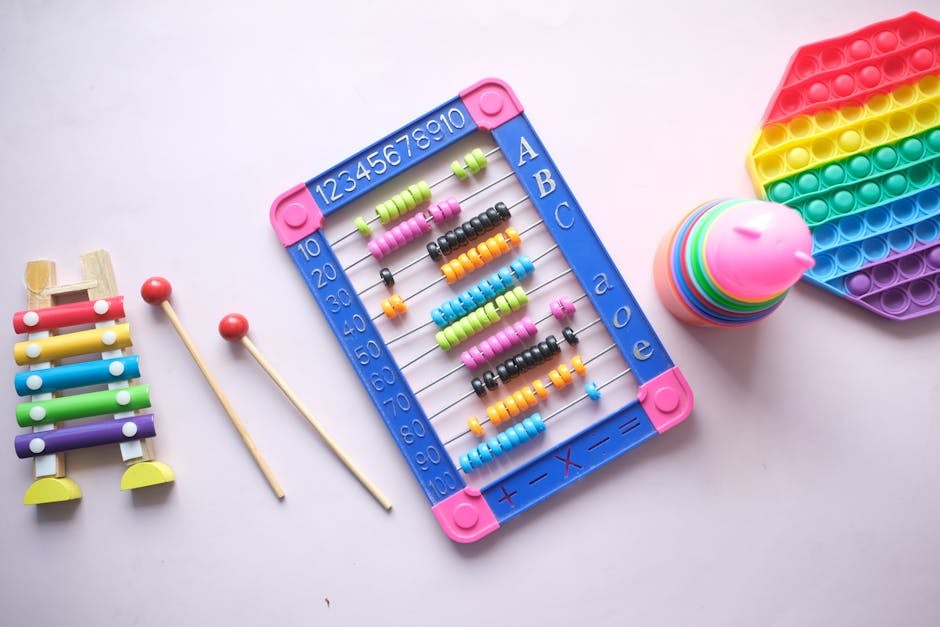
Choosing the right toy for a preschooler is not just a way to keep a child occupied, but an important investment in their future. It is during the period from 3 to 6 years old that a child's brain develops most actively, so games should be not only fun but also beneficial. The modern market offers a huge variety of options, but how do you choose truly high-quality and effective educational toys for preschoolers from this diversity? Based on the recommendation of the ComfortShop editorial team, we have gathered seven top items that will help your child develop logic, motor skills, imagination, and social skills.
? Table of Contents
- 1. Construction Sets and Building Blocks: The Foundation of Logic and Spatial Thinking
- 2. Interactive Posters and Electronic Books: A First Introduction to Science
- 3. Craft Kits: Modeling, Drawing, and Collages
- 4. Board Games for Toddlers: Socialization and Logic
- 5. Sorters, Puzzles, and Shape Sorters: Logic and Analysis
- 6. Musical Instruments: Developing Hearing and Rhythm
- 7. Role-Playing Sets: Social Roles and Empathy
- Conclusion:
1. Construction Sets and Building Blocks: The Foundation of Logic and Spatial Thinking
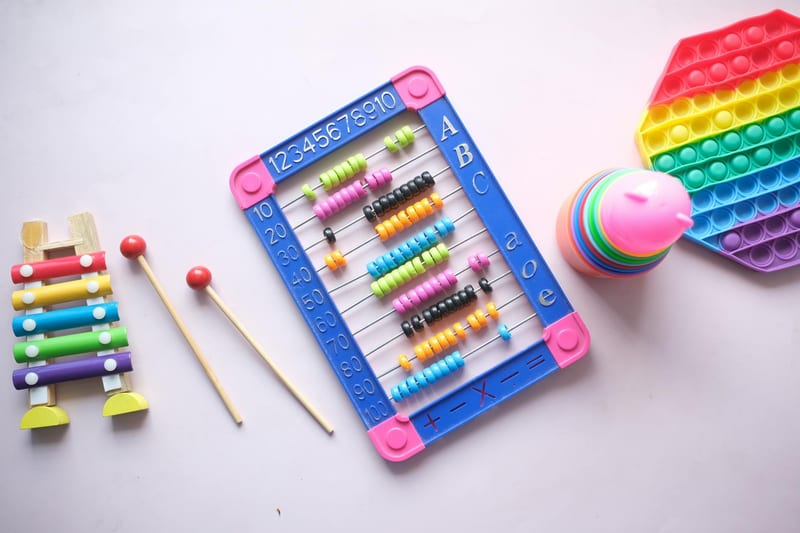
Construction sets are a classic that never loses relevance. For children aged 3-6, sets with large, easy-to-connect pieces are ideal. Such toys for child development ages 3-6 teach analysis, planning, and goal achievement.
While building a tower or a house, the child trains fine motor skills in their fingers, which directly impacts speech development. Furthermore, construction sets excellently develop spatial imagination: the child learns to correlate the sizes of parts and understand how objects look in three-dimensional space.
Choose sets that have diverse shapes and colors. This stimulates creative thinking and allows for creating not only according to instructions but also based on one's own ideas. It is these kinds of toys that ComfortShop experts recommend having at home as a basic learning tool.
2. Interactive Posters and Electronic Books: A First Introduction to Science
Modern technology can make learning exciting. Interactive posters with animals, letters, or numbers are excellent educational toys for preschoolers that work on the "press and listen" principle.
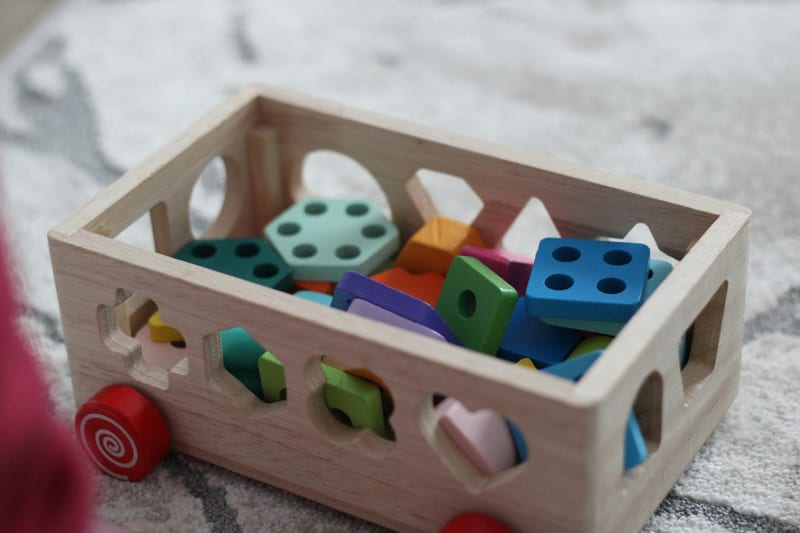
A child can independently learn new information without adult involvement, which develops independence and curiosity. Electronic books with fairy tales and logic tasks will also be a great aid in preparing for school.
It is important to choose devices with high-quality sound and bright, eye-safe illustrations. Such developmental toys for children help memorize large amounts of information in a game form, which is the most effective way of learning at preschool age.
3. Craft Kits: Modeling, Drawing, and Collages
Creative activities are not just fun but a powerful tool for developing fine motor skills, perseverance, and emotional intelligence. Sets with plasticine, kinetic sand, paints, or colored paper are among the best educational toys.
Modeling perfectly trains the hand muscles, preparing the hand for writing. Drawing develops a sense of color and composition, while collages teach neatness and working with different textures.
Choose themed sets, for example, "My First Aquarium" or "Funny Animals." They not only entertain but also broaden horizons. As noted by ComfortShop reviewers, the best results come from sets where the child creates something concrete and can be proud of the result of their work.
4. Board Games for Toddlers: Socialization and Logic
Board games are an ideal way to teach a child to work in a team, follow rules, and gracefully accept both victory and defeat. For preschoolers, there are special simplified versions that are among the best educational toys for preschoolers.
Games like "Memory" train memory and attention. Lotto or dominoes with pictures of animals or fruits help learn about the world around us. There are also games for developing emotional intelligence, where the child learns to recognize feelings.
Play together with your child — this strengthens your bond and allows you to subtly explain complex things. Regular board games significantly improve concentration and teach logical thinking.
5. Sorters, Puzzles, and Shape Sorters: Logic and Analysis
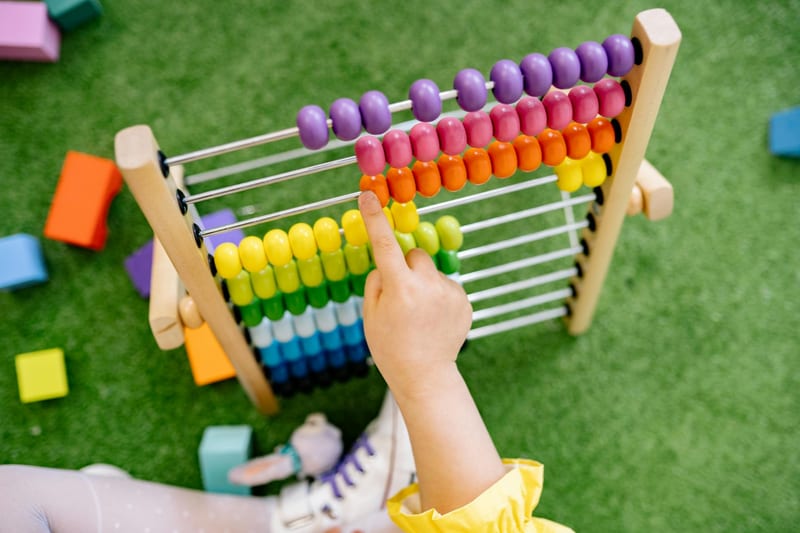
These are classic toys for child development ages 3-6 that never lose their relevance. Sorters teach grouping objects by shape, color, or size, which is the foundation of mathematical thinking.
Puzzles develop holistic perception: the child learns to see how parts form a whole. To start, choose puzzles with 4-12 large pieces, gradually increasing the difficulty. Shape sorters are excellent for training hand-eye coordination.
These toys are often made of wood, which is an eco-friendly and pleasant-to-touch material. They are safe and durable, so they can be passed down to younger children. Include them in your top toys for preschoolers — and you will see how quickly the child begins to analyze and compare.
How to choose the ideal set for your child?
Pay attention to the manufacturer's age recommendations. The toy should be safe, without small parts that could be swallowed, and made from non-toxic materials. It is best when it "grows" with the child, offering different levels of difficulty.
6. Musical Instruments: Developing Hearing and Rhythm
Music positively affects a child's brain, stimulating areas responsible for language and mathematical abilities. Simple musical instruments — a drum, xylophone, maracas, or a children's piano — are excellent educational toys for preschoolers.
Playing instruments teaches a child to feel rhythm and distinguish between high and low sounds. It is also a great way to release emotions and relieve stress after an active day. Making music together with parents or friends develops communication skills.
There is no need to buy expensive professional instruments. A high-quality children's set that is safe and has a pleasant sound is sufficient. Regular music lessons significantly improve memory and the ability to concentrate.
7. Role-Playing Sets: Social Roles and Empathy
Role-playing games are a natural way for a child to learn about the adult world. Sets like "Doctor," "Chef," "Builder," or "Shop" help them try on different professions and social roles.
Such toys for child development ages 3-6 are extremely important for forming empathy, as the child learns to care for others (treating a doll) or work in a team. They also develop speech, as the child constantly verbalizes their actions and conducts dialogues.
Choose sets with realistic but safe accessories. The presence of various items (dishes, tools, clothes) stimulates imagination and allows for inventing new storylines. This is a mandatory item on the list of best educational toys for the harmonious development of personality.
Conclusion:
When choosing toys for your child, always pay attention to their educational potential. The best educational toys are those that simultaneously entertain and teach, stimulating the child's natural curiosity. Remember that even the best toy cannot replace parental attention, so play together, explain, and support your child in their discoveries. In the ComfortShop assortment, you will always find high-quality and safe options for the comprehensive development of your preschooler.
Frequently Asked Questions
Which educational toys for preschoolers best develop fine motor skills?
Construction sets with large pieces, threading beads, puzzles, and sorters that require the child to perform precise finger movements are best for this.
How do developmental toys for 3-year-olds differ from toys for 5-6-year-olds?
For 3-year-olds, simple sorters, blocks, and musical toys are chosen, while for 5-6-year-olds, experiment kits, more complex puzzles, and games with letters and numbers are more suitable.
Is it worth buying electronic learning toys for preschoolers?
Yes, but with time limits on use: interactive tablets or game consoles with educational programs are useful, but they should be alternated with classic toys for child development.
How to choose safe best educational toys for a child aged 3-6?
Check for quality certificates, choose toys made from hypoallergenic materials without small parts that a child could swallow, and pay attention to the age marking on the packaging.